Can You Actually Get Rid of Diabetes? Understanding Your Path to Better Health
Navigating the world of diabetes can feel like a daunting journey. If you've recently been diagnosed or have lived with diabetes for some time, you may find yourself asking, "How can I get rid of diabetes?" It's crucial to understand that diabetes management is about harnessing strategies to live a healthy and fulfilling life rather than seeking a complete eradication of the condition. While there isn't a definitive cure for diabetes, there are ways to effectively manage and even reverse certain aspects of it. This guide explores how you can take control of your diabetes narrative and achieve better health outcomes.
Understanding Diabetes: Types and Differences
Before diving into management strategies, it’s important to understand the key differences between the types of diabetes, as each sits on its own spectrum on how it can be managed.
Types of Diabetes
Type 1 Diabetes: An autoimmune condition where the body's immune system attacks insulin-producing cells in the pancreas. Insulin injections are necessary due to the body’s inability to produce insulin naturally.
Type 2 Diabetes: The more common form, often related to lifestyle factors and genetics. It occurs when the body becomes resistant to insulin or when the pancreas fails to produce enough insulin.
Gestational Diabetes: Develops during pregnancy and might increase the risk of developing Type 2 diabetes later in life.
Understanding these types helps tailor management strategies according to specific needs.
Lifestyle Modifications: The Foundation of Managing Diabetes
For many, lifestyle adjustments are the cornerstone of diabetes management, particularly in Type 2 diabetes. Here's how you can make impactful changes:
Nutrition and Diet
- Balanced Diet: Embrace a diet rich in whole grains, lean proteins, healthy fats, and plenty of fruits and vegetables.
- Portion Control: Mindful eating and portion control can prevent spikes in blood sugar levels.
- Carbohydrate Counting: Understanding carbohydrate intake helps manage blood sugar levels efficiently.
Physical Activity
Regular exercises like walking, cycling, or swimming (aim for at least 150 minutes of moderate activity per week) are recommended to improve insulin sensitivity and aid weight management.
Maintaining Healthy Weight
Achieving and maintaining a healthy weight is critical in managing Type 2 diabetes. It can significantly improve insulin resistance and overall glucose control.
Monitoring and Medication: Tools for Effective Management
Regular Monitoring
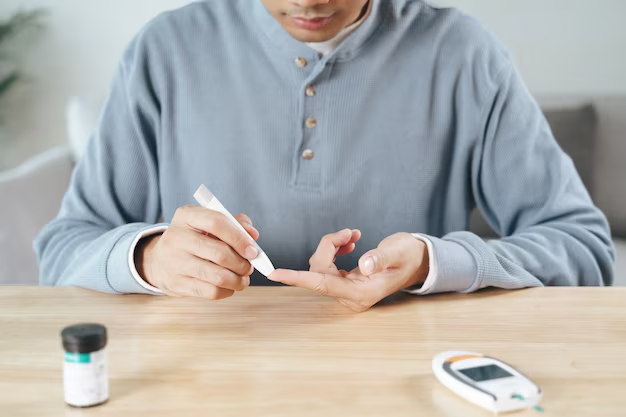
- Blood Sugar Levels: Regular monitoring helps manage daily blood sugar fluctuations. Consider devices that suit your lifestyle for continuous management.
Medications
While lifestyle changes are effective, some may require medication to control their diabetes. It’s important to work closely with healthcare providers to tailor medication plans.
Insulin Therapy
For some Type 1 and Type 2 diabetes patients, insulin therapy becomes necessary. Understanding how insulin works and managing dosage can optimize its benefits.
Can Diabetes Be Reversed? Exploring Possibilities
The term "reversal" often invites hope in Type 2 diabetes management if early and intensive lifestyle changes are adopted.
Weight Loss and Reversal
Research suggests that significant weight loss can lead to remission of Type 2 diabetes for some individuals. This remission is achieved when blood sugar levels return to non-diabetic range without medication. However, sustaining it requires ongoing lifestyle vigilance.
Bariatric Surgery
In certain cases, weight-loss surgery also known as bariatric surgery has proven beneficial for individuals with Type 2 diabetes, especially when significant weight loss or other methods fail.
Keeping an Open Mind
While "curing" diabetes isn’t a recognized outcome, these strategies foster better control and can lead to significant health improvements.
Practical Summary: Tips for Managing Diabetes Effectively
Here are consolidated steps and reminders to guide you on your diabetes management journey:
- 🍏 Eat Regularly and Well: Focus on balanced meals with controlled portion sizes.
- 🏃 Stay Active: Incorporate physical activity as part of a daily routine.
- 🔍 Monitor Regularly: Keep track of blood sugar changes and respond accordingly.
- 🏥 Work with Healthcare Professionals: Regular consultations can optimize and tailor your management plan.
- 🎯 Set Realistic Goals: Avoid the pressure of perfection and aim for achievable improvements over time.
The Role of Innovation in Diabetes Management
Emerging technology and continuous research provide promising pathways for easier management and monitoring:
Wearable Technology
Continuous glucose monitors (CGMs) and insulin pumps offer convenience and a better quality of life through constant monitoring and timely interventions.
Artificial Intelligence (AI)
AI is being integrated into health apps and devices to predict blood sugar fluctuations based on historical data, optimizing individual management approaches.
Conclusion: An Empowered Approach to Diabetes
While the quest to entirely eliminate diabetes persists in the research realm, practical management of the condition remains in the hands of individuals and their health teams. Empowerment through education, lifestyle adjustments, and innovative solutions forms a robust strategy for managing diabetes. By focusing on well-informed and balanced approaches, many individuals find themselves leading healthier lives with improved relations with their diabetes status. Remember, you're not alone on this journey—seize control and shape a fulfilling path forward!