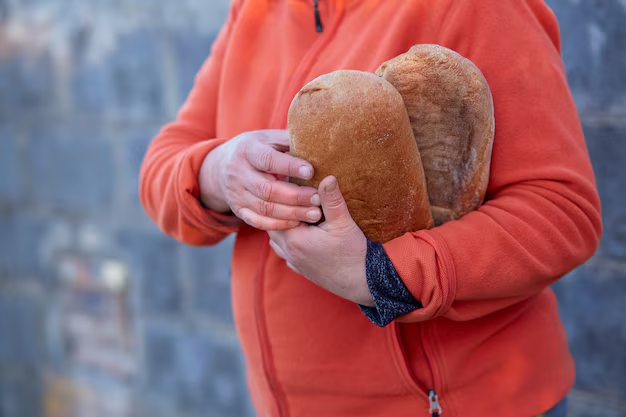
Navigating Bread Choices for Diabetics: What You Need to Know
Bread is a staple in many diets around the world. But if you're living with diabetes, you might wonder if this common carbohydrate can be a part of your meal plan. With varying advice and conflicting information, understanding how bread fits into a diabetic diet requires careful consideration. Below, we'll explore the complexities of bread in a diabetic-friendly diet, practical tips for choosing the right types, and how to enjoy it without compromising your health goals.
🥖 Understanding Bread and Diabetes
The Role of Carbohydrates in Diabetes
Carbohydrates are a major source of energy that impact blood sugar levels more significantly than other nutrients. When you consume carbohydrates, they break down into glucose, raising your blood sugar levels. For individuals with diabetes, managing these levels is crucial to avoid spikes that can lead to health complications.
Types of Bread and Their Nutritional Differences
Not all breads are created equal, especially when it comes to their impact on blood sugar. Here’s a quick breakdown of common types:
- White Bread: Made from refined flour, white bread is often stripped of essential nutrients and fiber, leading to quicker spikes in blood sugar.
- Whole Grain Bread: Contains more fiber, which helps slow down the absorption of glucose, providing steadier blood sugar levels.
- Sourdough Bread: Fermented with beneficial bacteria, sourdough may have a lower glycemic index compared to other types, making it a potentially better option.
- Low-Carb Bread: Specifically designed to be lower in carbohydrates, these can be a practical choice for managing blood sugar.
Choosing the Right Bread for Diabetics
Fiber Content Matters
Fiber plays a significant role in managing diabetes. High-fiber foods can help control blood sugar levels by slowing down digestion. When choosing bread, look for options rich in dietary fiber.
Understanding Glycemic Index (GI)
The glycemic index measures how quickly a food raises blood sugar levels. Foods with a low GI are absorbed more slowly, preventing rapid spikes:
- Low GI: Whole grain, pumpernickel, and sourdough breads often fall into this category and are generally better for diabetics.
- High GI: White and processed breads can lead to quicker blood sugar spikes.
Ingredients to Watch
Check the ingredient list to ensure that whole grains are the first ingredient. Avoid breads loaded with added sugars and artificial additives, which can affect blood sugar regulation.
🧠 Strategies to Incorporate Bread into a Diabetic Diet
Moderation is Key
Portion control is essential. Even healthier bread options should be consumed in moderation to maintain stable blood sugar levels.
Pairing with Protein and Fat
Combining bread with lean proteins and healthy fats can slow the digestion process, reducing blood sugar spikes. Consider pairing bread with:
- Nut butter: Adds healthy fats and minimal sugar.
- Avocado slices: Rich in healthy fats and fiber.
- Lean turkey: Provides protein with minimal carbohydrates.
Mealtime Timing
The timing of your bread consumption can influence blood sugar levels. Consider having bread during the first meal of the day with balanced macronutrients to maintain energy and focus throughout the morning.
🍞 Practical Tips for Bread Lovers with Diabetes
- Opt for whole grains: Whenever possible, choose whole-grain or multi-grain bread, as they provide more nutrients and fiber.
- Check the label: Always read nutritional labels to understand the carbohydrate and fiber content. Look for at least 3 grams of fiber per slice.
- Watch your portions: Keep servings in check to avoid consuming excessive carbohydrates in one meal.
- Balance your plate: Make sure to include vegetables and healthy proteins when having bread to create a balanced meal.
- Monitor your response: Pay attention to how different breads affect your blood sugar by monitoring levels post-meal.
🍽️ Sample Meal Plan Including Bread
- Breakfast: Whole grain toast with avocado and poached eggs.
- Lunch: Multigrain sandwich with turkey, spinach, and mustard.
- Snack: Small whole-grain or low-carb fruit bar.
- Dinner: Grilled chicken with a side of roasted vegetables and a slice of sourdough.
Lifestyle and Eating Habits for Diabetics
Importance of Regular Monitoring
Monitoring blood sugar levels regularly helps assess how bread and other carbohydrates affect your glucose levels. This ongoing data can guide your dietary choices.
Exercise and Diet Synergy
Regular physical activity complements a healthy diet in managing diabetes. Exercise helps improve insulin sensitivity and can mitigate the impact of carbohydrates on blood sugar levels.
Educating Yourself and Consulting Professionals
Consistent research and consultation with healthcare or nutritional professionals provide personalized guidance tailored to your needs. It's crucial to integrate professional advice with self-awareness about your body’s responses.
🤔 Quick Summary: Key Takeaways for Diabetic Bread Consumption
- Fiber First: Choose high-fiber breads for better glucose control.
- Moderation Matters: Practice portion control to manage carbohydrate intake.
- Smart Pairings: Pair bread with proteins and fats to stabilize blood sugar.
- Monitor and Adapt: Regularly check blood sugar levels to adjust your diet.
Understanding bread's place in a diabetic diet involves balancing enjoyment with mindful choices. By focusing on whole grains, moderating portions, and pairing with other nutrients, it’s possible to enjoy bread as part of a healthy eating pattern. With the right information and strategies, bread lovers with diabetes can navigate their options confidently and healthily.