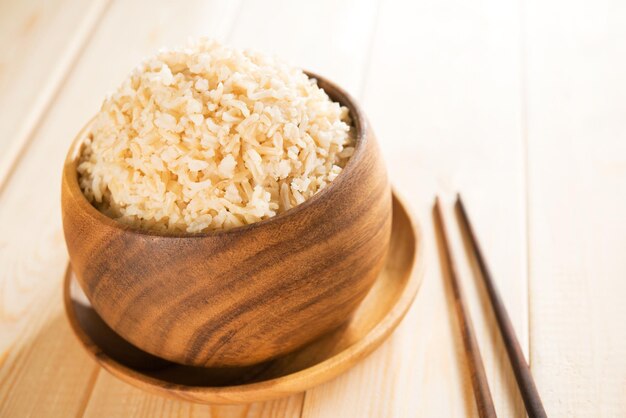
Can People with Diabetes Enjoy Brown Rice? Exploring the Facts and Myths
Balancing dietary needs with health conditions can sometimes seem daunting, especially for individuals managing diabetes. Among various food choices, rice often becomes a focal point of discussion due to its carbohydrate content. But what about brown rice? Is it suitable for those with diabetes? This article unpacks the relationship between brown rice and diabetes, providing insights and practical tips to help make informed choices. 🌾
Understanding Diabetes and Diet
Diabetes is a chronic condition characterized by high levels of glucose in the blood. It requires meticulous attention to food planning, as the type and quantity of carbohydrates consumed can significantly affect blood sugar levels. Carbohydrates are converted into glucose in the body, which is a concern for people with diabetes. Therefore, managing carb intake becomes an integral part of diabetes management.
Types of Diabetes
- Type 1 Diabetes: An autoimmune condition where the pancreas produces little or no insulin.
- Type 2 Diabetes: A more common form caused by insulin resistance, where the body's cells do not use insulin effectively.
- Gestational Diabetes: Develops during pregnancy and usually resolves after childbirth but increases risk for type 2 diabetes later.
Healthy eating is crucial for managing any form of diabetes, emphasizing the importance of choosing the right type and amount of carbohydrates.
Brown Rice: A Closer Look
Brown rice is a whole grain rice with only the husk (the outermost layer) removed, retaining its bran layer and germ. This makes it a much healthier option compared to white rice, which is stripped of these nutrients.
Nutritional Benefits of Brown Rice
- High in Fiber: The fiber content helps slow down the digestion process, leading to a more gradual release of glucose into the bloodstream.
- Rich in Vitamins and Minerals: Brown rice contains vital nutrients like magnesium, phosphorus, selenium, thiamine, niacin, and Vitamin B6.
- Low Glycemic Index: It has a lower glycemic index compared to white rice, suggesting a slower increase in blood sugar levels.
Can Diabetics Eat Brown Rice?
The big question remains, can people with diabetes consume brown rice without compromising their health? The answer is not a simple yes or no, but instead depends on individual circumstances and dietary planning.
The Glycemic Index Factor
The glycemic index (GI) is a ranking system that measures how much a carbohydrate-containing food raises blood glucose levels. Foods are scored on a scale from low (1-55), medium (56-69), to high (70 and above). Brown rice typically falls into the low to medium category, making it a more diabetes-friendly option compared to high-GI foods.
Portion Control and Balance
For individuals with diabetes, portion control is vital. Eating large quantities of brown rice can still lead to blood sugar spikes. It's crucial to balance brown rice with other low-GI foods, proteins, and healthy fats to maintain stable blood sugar levels.
Tip: A balanced plate might include a serving of brown rice, lean proteins like chicken or fish, and non-starchy vegetables such as broccoli or spinach.
Practical Tips for Incorporating Brown Rice
- Measure Servings: Start with a moderate portion size, such as half a cup of cooked brown rice, to manage carb intake.
- Pair with Fiber-Rich Foods: Add vegetables to enhance the meal's fiber content, which may aid in blood sugar control.
- Combine with Proteins: Proteins can help reduce the glycemic impact of the meal. Consider adding legumes or grilled chicken.
- Mindful Preparation: Cooking rice with extra water to reduce starch or combining it with other grains like quinoa can improve its effect on blood sugar.
Exploring Alternatives and Comparisons
While brown rice is a nutritious option, it's equally important to explore other alternatives. Here's a quick comparison of some common grains and their impact on blood sugar levels.
| Grain Type | Glycemic Index | Fiber Content (per 100g)* | Protein Content (per 100g)* |
|---|---|---|---|
| Brown Rice | Medium (50-55) | 1.6g | 2.6g |
| Quinoa | Low (53) | 2.8g | 4.4g |
| Whole Grain Barley | Low (28) | 2.1g | 2.3g |
| Millet | Medium (71) | 1.3g | 3.5g |
*Nutrient content may vary based on specific products and preparation methods.
By considering alternatives such as quinoa or barley, individuals can diversify their diet while keeping blood sugar levels in check.
Common Misconceptions About Brown Rice and Diabetes
Despite its benefits, several misconceptions persist about brown rice and diabetes. Let’s address a few of them:
Myth 1: All Rice is Bad for Diabetes
While it's true that some types of rice have a high GI and are less suitable for diabetes, brown rice can be part of a balanced diet due to its higher fiber content and lower GI.
Myth 2: Brown Rice Is As Unhealthy As White Rice
This belief stems from the idea that all types of rice contribute to weight gain and insulin spikes. However, brown rice, with its retained bran and germ, offers more health benefits and impacts blood sugar levels differently than white rice.
Myth 3: Portion Size Doesn’t Matter with Brown Rice
Regardless of its health benefits, portion size must always be considered. Eating large quantities of any carbohydrate-rich food can affect blood sugar levels adversely.
Practical Tips for Diabetes-Friendly Meals 🌟
Here’s a summary of practical tips to incorporate brown rice while managing diabetes:
- 🍚 Moderate Portions: Stick to recommended serving sizes.
- 🌿 Balance Your Plate: Include plenty of vegetables and proteins.
- 📏 Mind the Cooking Method: Prefer steaming or boiling over frying.
- 🔄 Explore Diverse Grains: Rotate brown rice with other whole grains.
- 📋 Regular Check-Ins: Monitor blood sugar levels to understand how your body responds.
Empowering Choices for Better Health
Managing diabetes involves making informed dietary choices that contribute to overall well-being. Brown rice can be part of a healthy diet for people with diabetes when consumed mindfully and in moderation. By understanding its benefits and limitations, along with proper meal planning, individuals can enjoy the wholesomeness of brown rice without compromising their health.
Embracing a balanced approach and consulting with healthcare providers or dietitians can further personalize dietary plans and enhance one's quality of life. As with any dietary change, it's essential for individuals to observe how their bodies react and adjust consumption accordingly, setting the stage for a healthier relationship with food. 🧡
Navigating dietary choices with diabetes doesn't have to be restrictive or overwhelming. By focusing on balance, variety, and mindful eating, individuals can enjoy a diverse array of foods, including brown rice, that support their health goals.