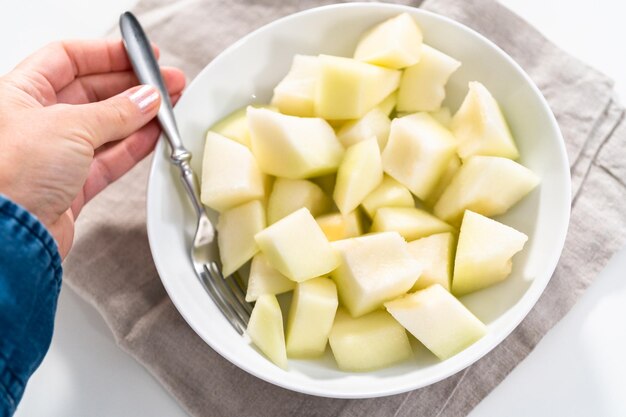
Can Diabetics Enjoy Cantaloupe Safely?
If you're living with diabetes, managing your diet can sometimes feel like navigating a labyrinth. With sugars, carbohydrates, and insulin responses to consider, the question of whether certain fruits are safe to eat can be fraught with uncertainty. One fruit that often prompts such questions is cantaloupe. With its sweet taste and juicy texture, it’s a summer staple for many. But can diabetics eat cantaloupe without worry? Let’s dig into this delectable dilemma.
Understanding Cantaloupe: Nutritional Profile and Glycemic Impact
What Is Cantaloupe?
Cantaloupe, a member of the melon family, is cherished for its distinct sweet flavor and high water content, making it both a hydrating and refreshing snack. Rich in nutrients, this fruit also carries potential health benefits due to its antioxidant properties and vitamins.
Nutritional Breakdown
A typical serving of cantaloupe (about one cup of diced melon) contains:
- Calories: Low in calories, making it a diet-friendly option.
- Carbohydrates: Provides a moderate amount of carbs.
- Sugar: Mainly natural sugars, which can impact blood glucose levels.
- Fiber: Contains dietary fiber that helps in moderating glucose absorption.
- Vitamins: Rich in vitamins A and C, which play roles in vision and immune function.
- Minerals: Offers potassium, beneficial for heart health.
Glycemic Index (GI) and Load (GL)
When evaluating whether a diabetic can incorporate cantaloupe into their diet, Glycemic Index (GI) and Glycemic Load (GL) are crucial metrics:
- Glycemic Index: Cantaloupe has a moderate GI, meaning it can cause a moderate increase in blood sugar when consumed.
- Glycemic Load: Because of its high water content, cantaloupe has a relatively low GL, which considers the quantity of carbs consumed in a typical serving.
Cantaloupe and Diabetes: Striking the Right Balance
Can Diabetics Eat Cantaloupe?
Incorporating cantaloupe into a diabetic-friendly diet doesn't have to be off-limits. Portion control and dietary balance are key.
- Portion Size: Keeping portions moderate can help manage the impact on blood sugar levels.
- Combining Foods: Pairing cantaloupe with protein or healthy fats may slow sugar absorption, minimizing spikes in blood glucose.
Benefits of Including Cantaloupe
Hydration: Over 90% of cantaloupe's composition is water, making it a great choice for staying hydrated.
Nutritional Value: Provides essential vitamins and minerals without excessive calories or sugars.
- Antioxidants: May help reduce oxidative stress and inflammation.
Potential Downsides
Blood Sugar Fluctuations: As with any fruit, overconsumption can lead to elevated blood sugar.
Individual Variation: Diabetic responses to food can vary; monitoring your body's reaction to cantaloupe is crucial.
Practical Tips for Diabetics Considering Cantaloupe
How to Safely Include Cantaloupe in Your Diet
Monitor Blood Sugar: Use a glucose meter to track your levels post-consumption to better understand your personal tolerance.
Choose Fresh Over Juices: Whole cantaloupe provides fiber that helps manage sugar absorption, unlike fruit juices that lack it.
Mix and Match: Combine with nuts, seeds, or a dollop of yogurt to create a balanced snack.
Stay Informed: Pay attention to how your body reacts and adjust servings accordingly to maintain optimal glucose levels.
📝 Quick Tips for Diabetic-Friendly Fruit Consumption:
- 🥄 Portion Control: Limit to a half-cup serving.
- 🍽️ Combine with Protein: Pair with almonds or cottage cheese.
- 📊 Monitor Levels: Check blood glucose one to two hours after eating.
- 🌿 Enjoy Variety: Rotate fruits for balanced nutrition.
Incorporating Cantaloupe into Meals
Breakfast: Add cantaloupe cubes to a bowl of whole-grain cereal or oatmeal.
Snacks: Make a fruit salad including cantaloupe, berries, and a dollop of yogurt.
Dessert: Use as a topping for natural gelato or sorbet.
Exploring Alternatives: Other Fruits for Diabetics
While cantaloupe is an attractive option, variety in fruit consumption can enhance diet quality and balance:
- Berries: Low GI, high in antioxidants, good for managing glucose levels.
- Apples: With their fiber, they help with slower sugar absorption.
- Pears: Offer fiber and a healthy carb balance.
- Oranges: Provide vitamin C and fiber, although portions should be monitored.
Key Takeaways for Diabetic Fruit Consumption
- Moderation is Crucial: Enjoy fruits like cantaloupe in moderation, keeping an eye on portion sizes.
- Balance Foods: Pairing with proteins and fats can mitigate blood sugar spikes.
- Individual Testing: Continuously monitor your blood sugar response to tailor your diet.
- Diverse Diet: Incorporate a variety of fruits to maximize nutritional intake while keeping blood glucose stable.
Reaping the Benefits of Cantaloupe Safely
Incorporating cantaloupe into your diet can be part of a well-rounded nutrition plan for those managing diabetes. Leveraging strategic combinations with other foods and maintaining a mindful approach to portions can offer enjoyment of this fruit while maintaining blood sugar stability. As always, understanding your own body's responses and working with healthcare professionals to tailor your diet plan is the optimal path forward.
By approaching your diet with informed choices and careful consideration, you can embrace the juicy goodness of cantaloupe without compromising your health goals. Enjoy the sweet taste, reap the nutritional benefits, and keep your glucose levels happy and balanced.
With the right approach, cantaloupe can become a sweet spot in your diabetic meal planning. 🍈✨