Understanding Diabetes and Fruit: A Comprehensive Guide
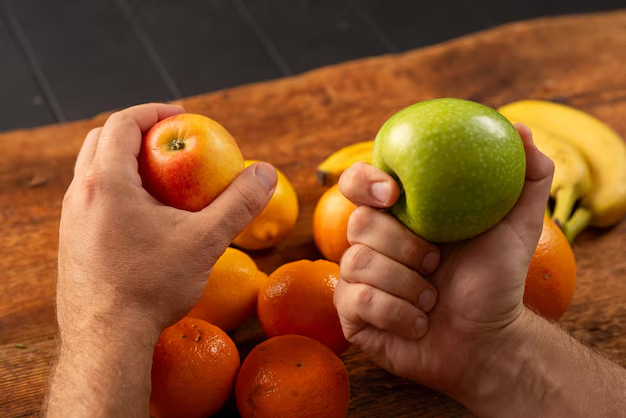
Navigating dietary choices can be overwhelming, especially for individuals managing diabetes. A common question arises: Can diabetics eat fruit? Let’s unravel this complex topic, balancing enjoyment of nature's sweets with effective diabetes management.
Exploring Diabetes and Dietary Needs
Understanding Diabetes
Diabetes is a chronic condition affecting how the body processes blood sugar, or glucose. There are two main types:
- Type 1 Diabetes: An autoimmune condition where the body attacks its insulin-producing cells.
- Type 2 Diabetes: Often associated with lifestyle factors, involving insulin resistance.
Maintaining balanced blood glucose levels is vital for preventing complications. Diet plays a crucial role here.
Importance of Diet in Diabetes Management
For individuals with diabetes, dietary choices influence blood sugar levels and overall health. Opting for a balanced diet that emphasizes nutrient-dense foods is a common strategy.
Fruits, renowned for their vitamins, minerals, and fiber, often spark debate regarding their place in a diabetes-friendly diet.
Can Diabetics Safely Eat Fruit?
The Nutritional Value of Fruit
Fruits are a powerhouse of essential nutrients:
- Vitamins and Minerals: Fruits like berries, oranges, and bananas provide Vitamin C, potassium, and folic acid.
- Fiber: Important for digestion and blood sugar stabilization.
- Antioxidants: Help combat oxidative stress and inflammation.
With these benefits in mind, let’s delve into how the natural sugars in fruits interact with blood sugar levels.
Fruit and Blood Sugar: The Balancing Act
Fruits contain sugars, primarily fructose, which impact blood sugar. However, the fiber content in whole fruits slows sugar absorption, aiding in steady blood glucose levels.
Glycemic Index (GI): Measures how quickly a food raises blood glucose. Foods with a lower GI are generally preferred for diabetes management. Many fruits, such as apples and strawberries, have a low GI.
Portion Control and Timing
Balancing fruit intake involves considering portion sizes and timing:
- Portion Sizes: Smaller portions can help manage sugar intake.
- Timing: Pairing fruit with protein or fat can slow sugar absorption.
- Spreading Intake: Distributing fruit consumption throughout the day minimizes spikes.
Choosing the Right Fruits
Not all fruits are created equal in terms of diabetes management. Here, we’ll explore types of fruits that are particularly beneficial:
Berries
Berries, such as strawberries, blueberries, and raspberries, are rich in antioxidants and fiber with a low GI. They’re both delicious and effective in controlling blood sugar when eaten in moderation.
Apples and Pears
These fruits provide fiber and a range of nutrients that can help maintain steady blood sugar levels. Eating them whole rather than as juice retains their fiber content.
Citrus Fruits
Oranges, grapefruits, and lemons offer vitamin C and fiber. Despite their sweetness, they have a moderate impact on blood sugar due to their fiber content.
Stone Fruits
Peaches, plums, and cherries are nutritious options that can fit into a diabetes-friendly diet. They’re satisfying and add variety to meals.
Melons and Bananas: A Word of Caution
While melons and bananas have vitamins and fiber, they have a higher GI. Enjoying these fruits in moderation and considering portion control is key.
Practical Tips for Fruit Consumption 🍇
- Choose Whole Fruits: Opt for whole fruits rather than juices or dried fruits.
- Mind the Ripeness: Riper fruits can have higher sugar content.
- Combine Wisely: Pair fruits with proteins or healthy fats.
- Moderate Portions: Stick to small servings to control sugar intake.
Integrating Fruit into a Balanced Diet
Crafting a Diabetes-Friendly Meal Plan
Balancing fruit with other food groups can create a comprehensive diet plan:
- Start with Breakfast: Add berries to oatmeal for a fiber-rich start.
- Snack Smartly: Grab an apple with a handful of nuts.
- Incorporate into Lunch: Add citrus salads with lean proteins.
- End with Dinner: Pair stone fruits with a piece of grilled chicken.
Beyond Fruit: Other Considerations
Accessorizing your diet with whole grains, lean proteins, and healthy fats is essential. Ensuring a varied diet supports overall health.
Monitoring and Personalization
Since individual responses to food vary, some people with diabetes find it helpful to monitor their blood sugar before and after consuming fruit. Keeping a food diary can illuminate patterns and preferences.
A Visual Guide to Fruit Choices for Diabetics
Here’s a quick reference to understand which fruits are generally preferred for those managing diabetes:
| Fruit Category | Examples | Notes |
|---|---|---|
| Low GI Fruits | Berries, Apples | Fiber-rich, good for blood sugar control |
| Moderate GI Fruits | Oranges, Pears | Offer vitamins and should be enjoyed in portions |
| High GI Fruits | Melons, Bananas | Consume in moderation, focus on portion control |
Final Insights on Fruit and Diabetes
Living with diabetes doesn’t mean foregoing fruit. By making informed choices and practicing moderation, people with diabetes can enjoy the sweet and nutritious offerings of fruit while maintaining healthy blood sugar levels.
Balancing meals with fruits, mindful timing, and exploring what works best for individual needs makes it possible to fit fruit into a diabetes-friendly lifestyle seamlessly. With these insights, embrace the natural sweetness knowing how to do so responsibly fuels well-being and joy.