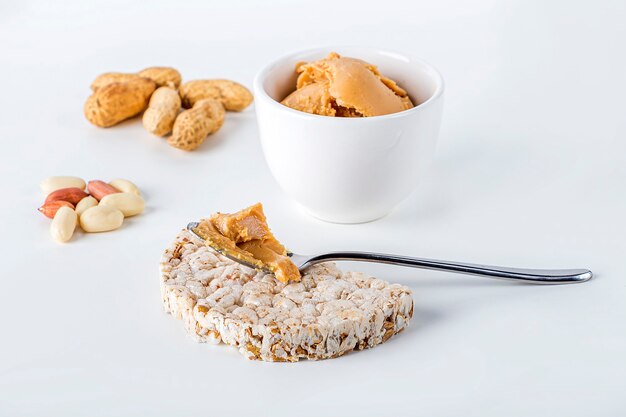
Can Diabetics Safely Include Peanuts in Their Diet? Exploring the Benefits and Considerations
Living with diabetes requires careful monitoring of food intake, including the choices that can impact blood sugar levels. One question that often arises is whether diabetics can safely eat peanuts. At face value, peanuts might seem like a snack of little consequence, but their nutritional profile warrants a deeper exploration. Let's uncover what makes peanuts both a favorite snack and a food of interest for those managing diabetes.
🥜 Understanding the Nutritional Profile of Peanuts
Peanuts are more than just a tasty snack; they are packed with nutrients. These humble legumes bring to the table a variety of beneficial components:
- Protein: Peanuts are a good source of plant-based protein, which can be crucial for blood sugar stabilization.
- Healthy Fats: They contain monounsaturated and polyunsaturated fats, known for supporting heart health.
- Fiber: This aids in digestion and can help maintain stable blood sugar levels.
- Vitamins and Minerals: Peanuts are rich in nutrients such as magnesium, vitamin E, and niacin, each playing a role in bodily health.
The nutritional makeup of peanuts suggests they could be a beneficial addition to a diabetic diet, but individual dietary needs and health considerations must be considered.
Glycemic Index: What It Means for Diabetics
The glycemic index (GI) is a measure that ranks foods based on how much they raise blood sugar levels. Foods with a lower GI are typically better for those managing diabetes because they produce slower, more gradual increases in blood sugar.
- Peanuts and the GI: Peanuts have a low GI, making them a generally safe choice for diabetics. They cause a gradual increase in blood glucose, minimizing spikes that can be problematic.
Knowing the GI of peanuts can guide diabetics in fitting them into a balanced meal plan strategically, but moderation and portion control are key.
🧁 Balancing Your Diet with Peanuts
While peanuts on their own have a low GI, your eating pattern matters significantly. A balanced approach is essential to ensure that peanuts fit well within your dietary needs:
Portion Control & Mindful Eating
The caloric density of peanuts means that it’s easy to consume too many calories in a small serving. Mindful eating can help maintain portion control:
- Visual Portion Guides: Aim for about a small handful of peanuts as a snack, roughly one ounce, to control calorie and nutrient intake.
- Pairing Peanuts with Other Foods: Try pairing them with foods rich in fiber or protein to extend their digestive benefits.
Meal Planning Tips
Incorporating peanuts wisely requires thoughtful planning:
- Snack Inclusion: Add peanuts as a part of a trail mix with seeds and dried fruits for nutritional diversity.
- Culinary Uses: Use peanut butter as a spread on whole-grain bread or a dip for apples for a nutritious snack.
Making peanuts part of a wider range of healthy foods can improve their benefits and prevent any possible drawbacks of overconsumption.
Possible Health Benefits of Peanuts for Diabetics
Beyond their direct nutritional components, peanuts offer potential benefits that might positively influence diabetic health:
Blood Sugar Control
The protein and fiber in peanuts contribute to a slower digestion process, which may lead to better blood sugar control:
- Stable Energy: With protein and fiber, peanuts can provide sustained energy levels without sharp rises in blood glucose.
Heart Health
Peanuts' healthy fats can be beneficial for heart health, a significant consideration for diabetics who face increased cardiovascular risk:
- Reduced Cholesterol Levels: Consuming legumes, including peanuts, may help manage cholesterol, benefiting both heart and overall health.
⚠️ Considerations and Precautions
Although peanuts offer many potential benefits, there are important considerations to keep in mind:
Allergies and Sensitivities
Peanut allergies are among the most common food allergies. Those allergic should avoid peanuts and peanut products entirely. If unsure about an allergy, consulting with a healthcare provider is advised:
- Check Packaging: Be on the lookout for hidden peanut ingredients in processed foods.
Caloric Intake
As calorically dense foods, peanuts must be eaten in moderation, especially for those mindful of their weight and energy balance:
- Avoid Overeating: Stay conscious of portion sizes to prevent unwanted calorie intake, which could impact weight management.
Practical Tips for Including Peanuts in Your Diet 🍽️
To maximize the health benefits of peanuts while managing your diabetes, consider these practical tips:
- Choose Unsalted Varieties: Reducing unnecessary sodium intake can benefit blood pressure.
- Opt for Natural Peanut Butter: For fewer added sugars and healthier nutrients.
- Incorporate into Meals: Add peanuts to salads or oatmeal for added texture and nutrition.
Quick Recap 🌟
- Rich in Nutrients: Peanuts offer protein, fiber, and heart-healthy fats.
- Low GI: They contribute to stable blood sugar levels.
- Part of a Balanced Diet: Use peanuts as a snack or meal ingredient wisely.
- Mindful Eating: Keep an eye on portions to manage calorie intake.
Concluding Insights
The world of nutrition can be complex, especially when managing a condition like diabetes. However, with a balanced approach, peanuts can be a valuable addition to a diabetic-friendly diet. Always prioritize personal health needs and consult with healthcare professionals when making dietary changes to ensure they align with your specific health requirements.
Incorporating peanuts into a comprehensive meal plan offers not just nutritional benefits but also enriches the flavor and variety of a diet. As with any food, moderation and mindful eating practices are the keys to making peanuts a functional part of healthy living while managing diabetes.