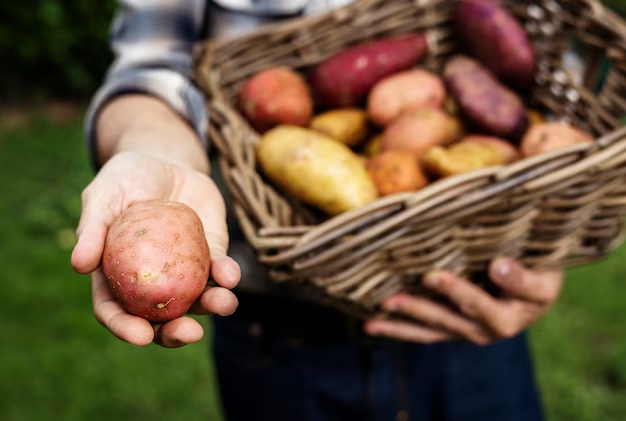
Can Diabetics Enjoy Potatoes? Exploring Possibilities and Perspectives
Potatoes, a beloved staple in many culinary traditions, often raise questions for individuals managing diabetes. Can those with diabetes indulge in this versatile tuber without compromising their health? This question invites a deeper exploration into the nutritional dynamics of potatoes, their glycemic impact, and practical dietary strategies.
Understanding Potatoes and Their Nutritional Profile
Potatoes are root vegetables cherished worldwide for their versatility. They come in many varieties, such as Russet, Yukon Gold, and sweet potatoes, each offering unique flavors and textures. Rich in carbohydrates, potatoes serve as an energy source, but their impact on blood sugar levels is a primary concern for people with diabetes.
The Nutritional Breakdown
- Carbohydrates: Potatoes are predominantly composed of carbohydrates, primarily in the form of starch.
- Vitamins and Minerals: They provide essential vitamins like vitamin C and B6, and minerals like potassium and magnesium.
- Fiber Content: The fiber content varies among potato types, with sweet potatoes generally containing more fiber.
While potatoes provide valuable nutrients, it's their carbohydrate content that often raises a red flag for those living with diabetes.
The Glycemic Index and Potatoes
The glycemic index (GI) measures how quickly a carbohydrate-containing food raises blood glucose levels. Foods with a high GI are rapidly digested, causing quicker spikes in blood sugar.
Potatoes' Glycemic Impact
- High GI Foods: Most potato varieties, especially when peeled and cooked at high temperatures, have a high GI.
- Different Varieties, Different GIs: Sweet potatoes generally have a lower GI compared to white potatoes, making them a potentially better option for blood sugar management.
- Preparation Matters: The cooking method significantly impacts the GI. For example, cooking potatoes in their skins or consuming them with fiber-rich foods can help moderate their glycemic effect.
Understanding the glycemic response of different potato varieties and preparation methods can empower better dietary choices.
Including Potatoes in a Diabetes-Friendly Diet
Incorporating potatoes into a balanced diet requires thoughtful consideration of portion sizes and preparation methods. Here are strategies for enjoying potatoes without negatively affecting blood sugar levels:
Portion Control
Moderation is Key: Eating smaller portions can minimize the impact on blood sugar levels. Instead of a large serving, consider half a potato or mixing it with other vegetables.
Cooking Techniques
- Boiled or Steamed: These methods preserve more nutrients and can result in a lower glycemic effect compared to frying or roasting.
- Leave the Skin On: The skin contains additional fiber, which can slow the digestion and absorption of carbohydrates.
Pairing with Other Foods
Balanced Meals: Pair potatoes with protein sources, like grilled chicken or legumes, and non-starchy vegetables to create a more balanced nutrition profile. This combination helps slow down the absorption of starch.
Exploring Alternatives
For those seeking to further reduce their potato intake or explore new flavors, there are several alternatives:
Cauliflower Mash
Cauliflower offers a lower-carb alternative that can be mashed like potatoes. It’s a popular substitute that pairs well with various dishes without spiking blood sugar levels.
Quinoa and Whole Grains
Using quinoa or whole grains as a base instead of potatoes provides fiber and essential nutrients while still satisfying the need for a hearty side dish.
Mixed Vegetable Stir Fry
Incorporating a blend of non-starchy vegetables can provide complexity and volume to a meal, reducing dependency on potatoes.
Practical Tips for Potato Lovers with Diabetes 🥔
To enjoy potatoes responsibly, consider these practical strategies:
- Choose Sweet Potatoes: When possible, opt for sweet potatoes due to their lower GI.
- Watch Serving Sizes: Aim for about 1/4 of a plate filled with potatoes, balancing with other food groups.
- Combine with Low-GI Foods: Including foods like beans, leafy greens, or whole grains can mitigate the glycemic effect.
- Experiment with Recipes: Try new recipes that incorporate mashed cauliflower or blended potato dishes with other vegetables.
These adjustments can help maintain a balanced diet while still enjoying the flavors of potatoes.
Key Takeaways ✨
- Moderation and Mindful Preparation: Practice portion control and choose cooking techniques that respect the integrity of nutrients.
- Vary Your Options: Experiment with different potato varieties and incorporate alternatives.
- Balance Your Plate: Always strive for balanced meals that include proteins and vegetables alongside potatoes.
Potatoes can indeed be part of a diabetes-friendly diet when approached mindfully and with a focus on balance. By managing portions and preparing them thoughtfully, individuals with diabetes can enjoy the taste and benefits potatoes offer without compromising their health.