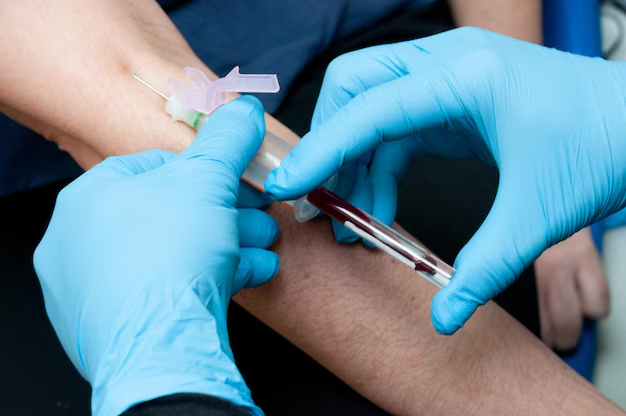
Can People with Diabetes Donate Blood? A Comprehensive Guide
Donating blood is a generous act that can save lives. However, for those living with diabetes, questions often arise about their eligibility to donate. The good news is that people with diabetes can often donate blood, but there are important considerations to keep in mind. This guide explores the topic from all angles, providing clarity and guidance on how people with diabetes can participate in this life-saving act.
Understanding Diabetes and Blood Donation
Types of Diabetes
There are two primary types of diabetes: Type 1, where the body does not produce insulin, and Type 2, where the body does not use insulin properly. Both require careful management, often including insulin injections or other medications to maintain blood sugar levels. Understanding your type of diabetes and how well it is controlled is crucial when considering blood donation.
Eligibility Criteria for Blood Donation
Blood donation eligibility can vary depending on the country and blood donation organization. However, general guidelines state that people with diabetes can donate blood if:
- Their diabetes is well controlled: Donors should have stable blood sugar levels and be managing their condition effectively with medication, diet, or lifestyle changes.
- They do not have diabetes-related complications: Conditions such as neuropathy, retinopathy, or kidney issues might disqualify someone from donating.
- They meet general health criteria: This includes being in good health, meeting weight requirements, and not having certain infections or blood-borne diseases.
Medication Considerations
For those managing diabetes with insulin or oral drugs, it's important to note:
- Insulin Use: Many organizations allow people who use insulin to donate blood provided they have not taken animal-derived insulin. Synthetic insulin is generally acceptable.
- Oral Medications: Diabetics on oral medications usually do not face restrictions; however, it is always wise to inform the donation center about any medications you're taking.
Preparing for Blood Donation
Before Donation
- Consult Your Doctor: It’s always recommended to discuss with your healthcare provider whether donating blood is safe for you, especially if you have recently started or changed your diabetes treatment plan.
- Maintain a Balanced Diet: Eating a healthy meal before donation is essential. Ensure it’s rich in iron and Maintain proper hydration.
- Check Blood Sugar Levels: Ensure that your blood sugar levels are stable before heading to the donation center.
During Donation
- Communicate with Staff: Inform the donation staff about your diabetes and any medications or insulin you are using.
- Monitor Symptoms: Pay attention to how you feel during the donation process and notify the staff if you feel unwell at any point.
After Donation
- Rest and Hydrate: Take a few minutes to rest at the donation center and drink plenty of fluids to help your body replenish.
- Monitor Blood Sugar: Keeping an eye on your blood sugar levels post-donation is important as your body adjusts and replenishes blood cells.
Potential Challenges and Tips
The Impact of Blood Loss
- Why Monitoring Is Vital: Blood sugar levels can fluctuate after donation due to the body's response to blood loss. It's wise to have a glucometer on hand to check your levels.
- Energy Levels: Some may experience temporary fatigue post-donation, so plan to take it easy for the rest of the day.
Dietary Adjustments
- Nutrient Replenishment: Focus on iron-rich foods post-donation to aid recovery. Foods like spinach, beans, and red meat can help restore iron levels.
Safety and Self-Care
- Listen to Your Body: If you feel unwell post-donation, it's important to rest and seek medical advice if needed.
- Avoid Strenuous Activities: Refrain from heavy physical labor or intense exercise for at least 24 hours post-donation.
Exploring Broader Impact
Community and Personal Benefits
Participating in blood donation can offer personal satisfaction and contribute to community health. Blood is always in demand, and donations play a crucial role in saving lives.
Encouraging More Diabetics to Donate
Encouraging more diabetics to take part in blood donation helps debunk myths and expand the donor pool. Sharing positive experiences and supporting diabetic donors can increase comfort and participation rates.
Myths and Misconceptions
Common Myths
- Myth 1: Diabetics Cannot Donate at All: This is false. Many diabetics can donate safely if they meet the necessary health criteria.
- Myth 2: Insulin Use Automatically Disqualifies You: Not always true; synthetic insulin usage is typically acceptable.
Addressing Concerns
For those concerned about donating, it's worth understanding the robust safety measures blood centers implement to ensure donor health and how they work with diabetic donors to accommodate their needs.
Encouraging Self-Education
- Research and Ask Questions: Empower yourself by learning more about the specific policies of donation centers and discussing them with medical professionals.
Summary Table: Quick Guide for Diabetic Donors
| Tip | Description |
|---|---|
| 🩸 Check Eligibility | Understand the general health criteria for donation. |
| 📈 Blood Sugar Monitoring | Keep track of levels before and after donating. |
| 🍽️ Pre-Donation Meal | Have an iron-rich and balanced meal before donating. |
| 🩺 Medical Consultation | Talk to your doctor to confirm your readiness to donate. |
| 💬 Inform Staff | Notify donation staff about your diabetes and any medications. |
| 📅 Post-Donation Care | Rest, hydrate, and eat well after donating. Monitor for any unusual symptoms. |
Blood donation can be a fulfilling way for diabetics to contribute positively to society. By understanding the guidelines and preparing appropriately, many with diabetes can participate safely in this altruistic act. Embrace the opportunity to make a difference while ensuring your health and well-being remain paramount.