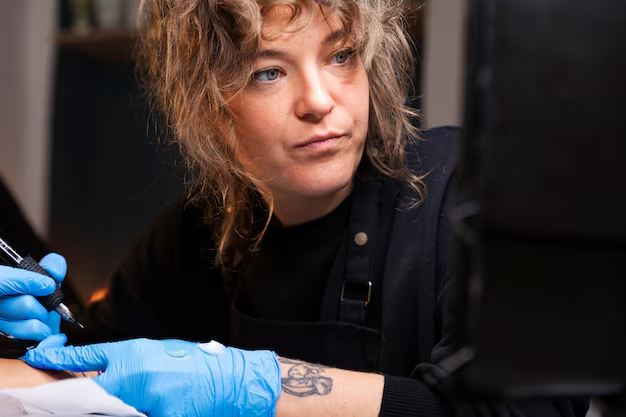
Tattoos and Diabetes: What You Need to Know Before Getting Inked
If you're one of the millions of people living with diabetes, you might be wondering whether tattoos are a safe option for you. Tattoos can be a form of self-expression, a way to commemorate a significant event, or simply an artistic addition to one's body. However, for diabetics, the tattooing process might pose unique concerns. This comprehensive guide explores these considerations, offering insights and practical tips if you're contemplating a tattoo with diabetes.
Understanding Diabetes and Skin Health
Diabetes affects various aspects of health, including how your body heals and regenerates skin tissue. Skin considerations for diabetics are crucial, as maintaining skin integrity and health can be an ongoing challenge.
How Diabetes Affects Skin
- Delayed Healing: Elevated blood sugar levels can impede the healing process, crucial for recovering from tattoo procedures.
- Higher Infection Risk: With a compromised immune system, diabetics are more susceptible to infections, making any breach of skin integrity a point of concern.
- Dryness and Irritation: Skin conditions like dryness and irritation are common, which might affect how a tattoo visually settles.
Importance of Blood Sugar Management
Managing your blood sugar effectively not only supports overall health but also plays a crucial role in how well your skin can cope with the process of getting a tattoo.
Can Diabetics Get Tattoos? Exploring the Safety Aspects
While no conclusive medical directives explicitly prohibit diabetics from getting tattoos, there are several safety factors to consider.
Key Considerations Before Getting a Tattoo
- Consulting Healthcare Providers: Always discuss any tattoo plans with your healthcare provider, who understands your specific health profile.
- Assessing Blood Sugar Levels: Ensure your blood sugars are well-managed prior to any tattoo session to minimize healing complications.
- Choosing Reputable Tattoo Parlors: Go for licensed and reputed parlors that prioritize hygiene and safety.
Special Considerations for Tattoo Placement
Selecting a safe spot for your tattoo is also essential. Consider areas with good circulation and avoid places prone to pressure or abrasion, like:
- Feet or ankles (if circulation issues are a concern)
- Areas used for injecting insulin
Reducing Risks of Tattooing with Diabetes
- Pre-Tattoo Skin Prep: Ensure your skin is hydrated and healthy in the weeks leading to your appointment.
- During the Tattoo Session: Keep your blood sugars stable to reduce stress on the body.
- Post-Tattoo Care: Follow aftercare instructions meticulously to avoid infections and promote healing.
Tattoo Aftercare for Diabetics: What You Need to Do
Proper aftercare is pivotal for anyone getting a tattoo. For diabetics, this can mean the difference between a safe healing process and complications.
General Aftercare Steps
- Keep the Area Clean: Gently wash the tattoo with mild soap and water.
- Moisturize Regularly: Use unscented, gentle moisturizers to prevent dryness.
- Avoid Direct Sunlight: Keep your tattoo protected from sun exposure to prevent damage and irritation.
Monitoring for Signs of Complications
- Look for Signs of Infection: Redness, swelling, pus, and prolonged pain can indicate infection.
- Observe Healing Progress: If the tattoo isn’t healing as expected, consult a healthcare professional promptly.
📝 Quick Tips for Tattoo Aftercare (Diabetics):
- Use a fragrance-free lotion for moisturizing.
- Avoid tight clothing over the tattoo area.
- Consult healthcare experts if unsure about any signs.
Related Concerns and FAQs About Tattoos for Diabetics
Here are common questions and concerns addressed for those living with diabetes considering tattoos.
FAQs
- How long should I wait if my blood sugar levels are elevated? It's advisable to wait until your levels are consistently well-managed before proceeding with a tattoo.
- Can tattoos affect my diabetes management? Generally, tattoos won’t interfere with diabetes management but be cautious with injection sites.
- What are the best types of tattoos for diabetics? Simpler, less dense designs could mean quicker healing, but personal preferences play a huge role too.
Planning Your Tattoo with Diabetes
Creating a plan that includes managing health risks, selecting appropriate designs and locations, and scheduling follow-ups can enhance a safe tattooing experience.
Insights into the Cultural and Emotional Significance of Tattoos for Diabetics
Beyond the health implications, it's important to consider the broader context of why diabetics might choose to get tattoos. Tattoos can serve as meaningful reminders of personal challenges and triumphs related to managing diabetes.
Expression and Awareness
Some diabetics choose tattoos that symbolize their journey with the condition, including:
- Awareness ribbons
- Insulin pump art
- Motivational quotes
Such tattoos can also serve as conversation starters, raising awareness about diabetes to others.
Crafting Your Story Through Ink
Getting a tattoo as a person with diabetes doesn’t just mark your skin; it can mark a chapter of resilience and courage in your life story. While there are additional considerations and precautions, with careful planning and medical guidance, it is possible to get a tattoo that is both meaningful and safe.
☑️ Summary Highlights:
- Consultation is Key: Check with your healthcare provider before proceeding.
- Choose Wisely: Opt for recognized tattoo parlors prioritizing safety and hygiene.
- Prepare and Care: Ensure pre-tattoo skin health and follow diligent aftercare.
While tattoos symbolize personal expression, ensuring your safety and health remains a priority in the art of getting inked with diabetes. Whether to commemorate a milestone, express your personality, or join a cultural move, thoughtful planning can help you safely navigate the tattoo process.