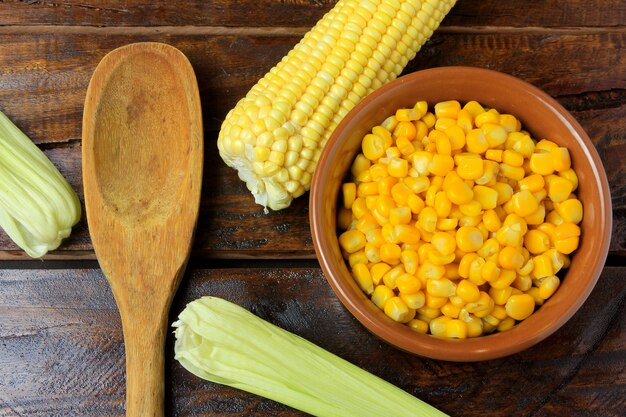
Exploring Corn in the Diabetic Diet: A Reader-Friendly Guide
🌽 Corn is a staple in many diets worldwide, celebrated for its versatility and delightful taste. However, if you're living with diabetes, you may often ponder if corn fits seamlessly into your meal planning. In the following sections, we'll dissect the relationship between corn and diabetes, exploring its nutritional profile, potential impacts on blood sugar, and the broader question of how it can be consumed responsibly. With a balanced and comprehensive approach, this guide aims to leave you informed and empowered to make choices that align with your health goals.
🌿 Understanding Corn's Nutritional Profile
What's in a Kernel?
Corn is a whole grain, offering a variety of nutrients. It’s rich in carbohydrates, which serve as a vital energy source, along with a modest amount of fiber, vitamins, and minerals. Here are some main components:
- Carbohydrates: The primary macronutrient in corn, carbohydrates are crucial for energy.
- Fiber: Contributes to digestion and can positively influence blood sugar levels.
- Vitamins: Includes B vitamins such as thiamin and folate that support metabolism.
- Minerals: Contains essential minerals like magnesium and phosphorus.
Glycemic Index Insights
The Glycemic Index (GI) is an important concept when examining corn's suitability for diabetics. Foods with a high GI can lead to rapid increases in blood sugar levels. Corn typically has a moderate GI, but preparation methods can alter this number. For instance:
- Popcorn: Generally has a lower GI compared to other corn products due to its whole-grain nature.
- Cornmeal or Corn Flakes: Processing can increase the GI, making them less favorable if blood sugar control is a priority.
🌽 Corn and Blood Sugar: Unpacking the Effects
The Role of Portion Control
Portion size plays a significant role in how corn affects blood sugar. A small portion can fit into most diet plans without significant spikes in blood glucose. Balancing corn intake with other foods rich in proteins and healthy fats can further modulate its impact.
Different Forms of Corn
Corn comes in various forms, each impacting blood sugar differently:
- Fresh Corn: Often less processed, keeping its fiber intact which aids in slower digestion and more gradual blood sugar increase.
- Canned Corn: Sometimes contains added sugars or preservatives, making label reading essential.
- Corn Syrup: Highly processed, it should be approached cautiously, especially with diabetes.
🥗 Integrating Corn Into a Diabetic Diet: Practical Tips
Balanced Meal Planning
Incorporating corn into your meals in a balanced manner can enhance your diet without overwhelming your glucose levels. Here’s how:
- Pair with Proteins: Combining corn with protein sources like beans or lean meats can slow the release of glucose.
- Include Healthy Fats: Avocado or nuts can complement corn-based dishes, adding flavor and balancing the nutrient profile.
- Watch the Additives: Skip high-sugar toppings like syrups or excessive butter.
Creative Culinary Ideas
Experimenting with recipes can make corn an exciting component of your diet without compromising on health:
- Corn Salad: Mix with black beans, diced tomatoes, and a splash of lime for a refreshing side dish.
- Grilled Corn: Enjoy on the cob with a sprinkle of chili powder and a squeeze of lemon.
- Homemade Popcorn: Air-popped popcorn seasoned with herbs makes for a delightful snack option.
📋 Key Takeaways and Practical Tips
Here’s a quick summary to guide you in including corn responsibly in your diabetic meal planning:
- 🧑🍳 Moderation is Key: Portion control can help integrate corn without spiking blood sugar levels.
- 🔍 Choose Whole or Less Processed Options: Fresh corn and popcorn generally have lower impacts on glucose compared to processed forms.
- ⚖��� Balance with Lean Proteins and Healthy Fats: Combines flavors and helps stabilize blood sugar.
- 🛒 Examine Labels: Watch for added sugars in canned or processed corn products.
- 🧂 Season Creatively: Utilize herbs and spices instead of high-sugar or high-fat toppings.
An Insightful Wrap-Up
Navigating dietary choices with diabetes can indeed pose challenges. However, armed with knowledge about how specific foods interact with your body, you can make informed choices that don't compromise on taste or enjoyment. Corn, with its vibrant flavors and nutritional benefits, can have a rightful place on the plate if consumed thoughtfully.
In this exploration, we've delved into corn's role in a diabetic-friendly diet, weaving through its nutritional offerings, the varying glycemic effects of its forms, and practical strategies to enjoy it in a way that harmonizes with blood sugar management. Remember, it’s always helpful to consult with healthcare professionals about your dietary adjustments and individual nutritional needs.
Empowerment through information is key to maintaining not only balanced glucose levels but also enjoying the diverse array of foods available. And yes, this includes delicious, versatile corn. 🌽