Is It Possible to Reverse Diabetes? Exploring Your Options and Pathways
Diabetes is often seen as a lifetime condition that requires ongoing management and monitoring. Yet, there is growing interest and discussion around whether it's possible to reverse diabetes, particularly type 2 diabetes. While type 1 diabetes is currently not considered reversible, type 2 diabetes has shown potential for remission under certain circumstances. In this comprehensive guide, we'll explore what diabetes reversal entails, the methods believed to contribute to it, and expert perspectives on this evolving topic. 🎯
Understanding Diabetes and Its Types
What is Diabetes?
Diabetes is a chronic condition that affects how your body turns food into energy. Most of the food you eat is broken down into sugar (glucose) and released into your bloodstream. When your blood sugar rises, it signals your pancreas to release insulin, which acts like a key to let the blood sugar into your body's cells for use as energy. If you have diabetes, your body either doesn’t make enough insulin or can’t effectively use the insulin it produces.
Types of Diabetes
Type 1 Diabetes: An autoimmune condition where the body attacks and destroys the insulin-producing cells in the pancreas. It's usually diagnosed in children and young adults.
Type 2 Diabetes: A condition that develops over many years and is often linked to obesity and a sedentary lifestyle. It’s the most common type of diabetes.
Gestational Diabetes: Occurs during pregnancy and can increase the risk of developing type 2 diabetes later in life.
Key Takeaway: While type 1 diabetes is a lifelong condition, type 2 diabetes is the focus when discussing reversal or remission.
Exploring the Concept of Diabetes Reversal
What Does Reversal Mean?
Reversing diabetes means achieving normal blood sugar levels without taking diabetes medication. This state is often referred to as remission. It is not a cure, as diabetes can return if lifestyle changes are not maintained.
Factors Influencing Reversal
- Weight Loss: Considerable weight loss has been linked to diabetes remission in many cases.
- Early Intervention: The sooner type 2 diabetes is managed after diagnosis, the better the chances of achieving remission.
- Significant Lifestyle Changes: Adopting a healthy diet and engaging in regular physical activity are crucial.
Expert Consensus
Experts agree that while diabetes reversal is possible, it requires a sustained and comprehensive approach. However, skepticism remains, as diabetes can reoccur, which is why ongoing medical supervision is essential.
Methods Believed to Support Diabetes Reversal
Dietary Changes
- Low-Carbohydrate Diets: Reducing carbohydrate intake can lower blood sugar levels quickly.
- Mediterranean Diet: Focuses on whole foods, including fruits, vegetables, whole grains, and healthy fats.
- Plant-Based Diets: Emphasizes fruits, vegetables, legumes, nuts, and seeds.
Physical Activity
Regular physical activity can help manage blood sugar levels and promote weight loss. Activities such as walking, cycling, and resistance training are beneficial.
Weight Management
Achieving and maintaining a healthy weight is crucial. Significant weight loss, especially through lifestyle changes, has been associated with improvements in blood sugar control and even remission.
Monitoring and Support
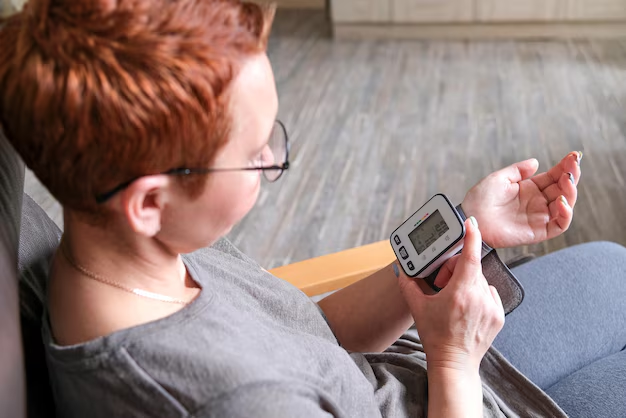
Regular check-ups with healthcare providers for monitoring and support are critical in managing diabetes and pursuing remission.
Practical Tip: Incorporating small, consistent changes can lead to larger lifestyle transformations over time. 🏃♀️🍏
Realistic Expectations and Challenges
Understanding Limitations
- Time Frame: Reversing diabetes is not an overnight process; it requires long-term commitment.
- Individual Variability: Each individual's path to remission can vary based on unique factors like genetics and environment.
Emotional and Mental Health
Managing chronic conditions can be emotionally taxing. Keeping a positive mindset and seeking mental health support are vital components of a diabetes management plan.
Societal and Economic Barriers
Access to healthy foods, healthcare, and support systems can affect an individual's ability to manage diabetes effectively.
Summary Table: Steps Towards Diabetes Remission
| 💡 Steps | Description |
|---|---|
| Dietary Adjustments | Adopt a diet low in carbs and high in whole, unprocessed foods. |
| Increase Activity | Engage in regular physical activities like walking, swimming, or cycling. |
| Weight Management | Aim for significant weight loss if overweight to improve insulin sensitivity. |
| Regular Monitoring | Consistent follow-ups with healthcare providers to track progress. |
| Emotional Support | Incorporate stress-reducing activities and seek mental health resources. |
Final Insights: Empowering Your Diabetes Journey
While fully reversing diabetes is not guaranteed, achieving remission is a realistic and empowering goal for some individuals with type 2 diabetes through significant lifestyle changes. This process demands dedication, resilience, and ongoing support from healthcare professionals. It's essential to build a structured plan, maintain realistic expectations, and focus on manageable daily actions, which can collectively contribute to significant health improvements.
In this journey, knowledge is power. Equipping yourself with the right information and a positive, proactive approach can help transform the management of diabetes into a journey of self-discovery and improved well-being. 🌟