Can Type 2 Diabetes Change into Type 1? Exploring the Differences and Myths
When it comes to diabetes, there are many questions and misconceptions surrounding the types and their progression. One frequently posed question is: Can Type 2 Diabetes turn into Type 1 Diabetes? Understanding the distinctions between these two types, how they develop, and their unique characteristics is crucial. This article delves into these questions, dispelling myths while providing a comprehensive guide on diabetes types, symptoms, management, and more.
🧬 Understanding Type 1 and Type 2 Diabetes
To address the question, it's essential to clearly understand what distinguishes Type 1 Diabetes (T1D) and Type 2 Diabetes (T2D).
Type 1 Diabetes
Type 1 Diabetes is often diagnosed in childhood or young adulthood, but it can appear later in life. It is an autoimmune disease where the body's immune system mistakenly attacks the insulin-producing cells in the pancreas. As a result, people with T1D require lifelong insulin injections. Unlike Type 2 Diabetes, lifestyle factors like diet or obesity do not cause Type 1 Diabetes.
Type 2 Diabetes
Type 2 Diabetes is more common and usually diagnosed in adults, although its prevalence in children is increasing. It occurs when the body becomes resistant to insulin or when the pancreas fails to produce enough insulin to maintain normal glucose levels. Often associated with obesity and a sedentary lifestyle, T2D can sometimes be managed with diet, exercise, and oral medications, although insulin may eventually be required.
🔍 Can Type 2 Diabetes Become Type 1?
The straightforward answer is no. Type 2 Diabetes cannot transform into Type 1 Diabetes. Each type has distinct pathophysiological origins and progression. Misunderstandings often arise because both types can coexist in some individuals, leading to confusion. However, the underlying causes and treatment strategies remain inherently different.
Understanding Dual Diagnoses
Occasionally, individuals with long-standing Type 2 Diabetes might require insulin therapy, resembling Type 1 management; however, this does not indicate a switch in disease type. Instead, it represents a progression within Type 2 Diabetes due to increased insulin resistance or decreased insulin production over time.
Latent Autoimmune Diabetes in Adults (LADA)
A condition frequently mistaken for Type 2 Diabetes, LADA is often referred to as Type 1.5 Diabetes. It shares characteristics with both Type 1 and Type 2. Diagnosed in adulthood, LADA begins with insulin resistance (like T2D) but progresses to full insulin dependency, similar to T1D. Misinterpretation sometimes stems from this overlap, but LADA remains distinct from both traditional forms.
🩺 Recognizing Symptoms and Diagnosis
Accurate diagnosis hinges on identifying symptoms early. Although some overlap exists, each type has specific signs.
Symptoms of Type 1 Diabetes
- Increased Thirst and frequent urination
- Unexpected Weight Loss
- Fatigue and weakness
- Blurred Vision
- Sudden Mood Changes
Symptoms of Type 2 Diabetes
- Increased Thirst and frequent urination
- Slow Healing Sores or infections
- Tingling or numbness in the hands or feet
- Hunger, even after eating
- Mental Fatigue, including irritability
Diagnosis Techniques
Both types of diabetes are diagnosed through similar blood tests, including the A1C test, which measures average blood glucose over the preceding 2-3 months, and the Fasting Plasma Glucose Test. However, Type 1 often requires additional antibody testing to confirm its autoimmune nature.
🛡️ Managing Diabetes: Strategies and Approaches
While management approaches for Type 1 and Type 2 Diabetes share some similarities, they diverge significantly with regard to treatment dependence and lifestyle focus.
Management of Type 1 Diabetes
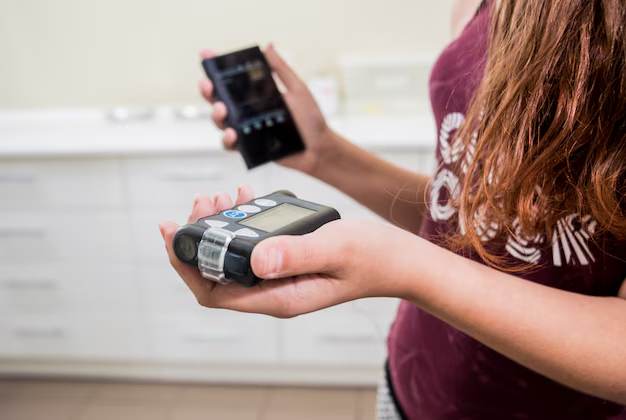
- Insulin Therapy: Essential for survival, administered through injections or an insulin pump.
- Blood Sugar Monitoring: Regular checks throughout the day to prevent hypo- or hyperglycemia.
- Diet and Exercise: Although not causative, a balanced diet and regular exercise contribute to overall health and control.
Management of Type 2 Diabetes
- Lifestyle Changes: Diet modification and physical activity play a critical role in management and prevention.
- Oral Medications: Various drugs help improve blood sugar control by increasing insulin sensitivity or production.
- Advanced Cases: Insulin might be prescribed for chronic management or if other treatments fail to maintain glucose control.
📝 Key Takeaways: Navigating Diabetes with Confidence
Here’s a concise summary to help navigate the complexities of diabetes:
- Type Differences:
- Type 1: Autoimmune destruction of insulin cells; requires insulin.
- Type 2: Insulin resistance or deficiency; managed with lifestyle and/or medications.
- Misconceptions 🚫:
- T2D cannot "turn into" T1D but can require insulin similarly.
- Detection 🔍: Early signs and testing are vital for effective management.
- Management 🔧:
- T1D needs insulin management.
- T2D focuses on lifestyle changes, possible medication.
- Lifestyle Factors 💪: Healthy eating and exercise benefit both types.
🌟 Looking Ahead: Embracing Education and Support
Understanding the distinct nature of Type 1 and Type 2 Diabetes helps combat myths and supports better management of these widespread conditions. Knowledge empowers patients and caregivers to make informed decisions, leading to improved quality of life and wellness.
Whether you or someone you love is affected by diabetes, ongoing education, support, and community involvement remain critical. Knowing the differences can lead to better strategies and healthier outcomes. Always discuss with healthcare professionals for personalized guidance and support tailored to individual needs.