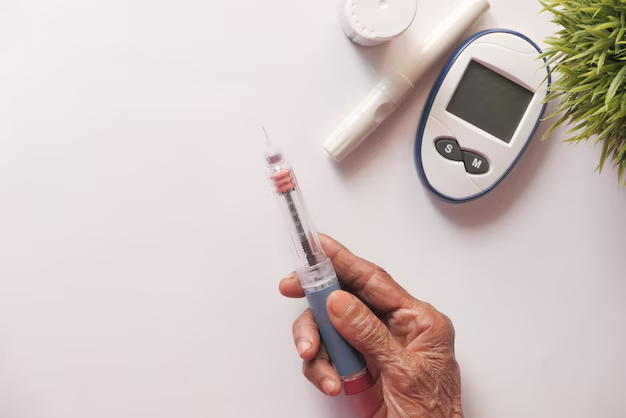
Is It Possible to Reverse Type 2 Diabetes? Exploring the Possibilities
For millions of people around the globe, Type 2 Diabetes is a part of daily life. It can significantly impact health, well-being, and lifestyle choices. Those living with this condition often ask: Can you ever get rid of Type 2 Diabetes? The reality is a bit nuanced, and understanding it involves delving into a combination of medical understanding, lifestyle changes, and ongoing management. Let’s explore the possibilities and what they might mean for you.
Understanding Type 2 Diabetes
What Is Type 2 Diabetes?
Type 2 Diabetes is a chronic condition that affects the way your body metabolizes sugar (glucose). Glucose is an essential source of energy for your cells. Typically, the pancreas produces insulin, a hormone that helps glucose enter your cells. In Type 2 Diabetes, the body's cells become resistant to insulin or the pancreas fails to produce enough insulin, leading to elevated blood sugar levels.
Causes and Risk Factors
Several factors are known to increase the risk of developing Type 2 Diabetes:
- Genetics: Family history plays a significant role.
- Weight: Being overweight is a critical factor.
- Inactivity: A sedentary lifestyle contributes to insulin resistance.
- Age: Risk increases as one gets older.
- Pre-existing Conditions: Conditions like high blood pressure can elevate risk.
Symptoms of Type 2 Diabetes
Early signs can often be subtle and might include increased thirst, frequent urination, hunger, fatigue, and blurred vision. It's essential to be in tune with your body and consult healthcare providers if these symptoms arise.
Can Type 2 Diabetes Be Reversed?
The term "reversed" when used in the context of Type 2 Diabetes often means achieving remission. Remission implies that blood glucose levels are in a normal range without the need for medication, but ongoing lifestyle management is essential.
Understanding Remission
- Partial Remission: Maintaining blood glucose levels below diabetes range without medication for at least one year.
- Complete Remission: Maintaining normal blood glucose levels for the same duration.
- Prolonged Remission: Sustaining these levels for five years or more.
Lifestyle Changes and Their Impact
Research shows promising outcomes for those who combine dietary changes with increased physical activity:
- Dietary Adjustments: Adopting a balanced diet rich in whole foods, fiber, and healthy fats can significantly impact blood glucose levels.
- Exercise: Regular physical activity enhances insulin sensitivity, helping the body use glucose more efficiently.
The Role of Weight Loss
A substantial amount of research highlights weight loss as a critical factor in managing Type 2 Diabetes. Losing even a modest amount of weight can improve insulin sensitivity and lower blood glucose levels.
💪 Key Steps for Managing Weight:
- Incorporate daily exercise that you enjoy.
- Opt for portion control and mindful eating.
- Set realistic goals and track progress.
Medical Approach and Innovations
Diabetes Medications and Their Role
While lifestyle changes are fundamental, medications can be essential for controlling blood sugar levels. Newer medications have shown benefits beyond glucose control, such as weight loss and cardiovascular health enhancements.
The Potential of Bariatric Surgery
For some, bariatric surgery not only aids significant weight loss but may also lead to remission of Type 2 Diabetes. It's typically reserved for individuals with a BMI over a certain threshold and who haven't achieved desired results through other means.
Emerging Research and Treatments
Research continues to explore various treatments like stem cell therapy, gut microbiome manipulation, and advanced drugs, aiming for better management and possible reversal of Type 2 Diabetes.
Psychological and Support Aspects
The Psychological Impact
Living with diabetes can cause stress, anxiety, and even depression. Understanding the psychological aspects is crucial for comprehensive health management.
Support Systems
Joining Diabetes support groups, whether in person or online, provides a platform for sharing experiences and strategies, offering emotional support, and fostering community among those with similar challenges.
Key Takeaways
Can You Get Rid of Type 2 Diabetes?
While permanent "cure" isn't typically possible, remission is an achievable goal for some through dedicated lifestyle changes and medical treatment.
Must-Know Tips for Managing Type 2 Diabetes
Here's a concise guide to making informed decisions and managing your health effectively:
- 💡 Stay Active: Incorporate movement daily to enhance insulin sensitivity.
- 🥦 Eat Smart: Opt for a nutrient-dense diet low in processed sugars.
- 📝 Monitor Progress: Keep track of glucose levels and consult healthcare professionals regularly.
- 🧑🤝🧑 Seek Support: Engage with community resources and groups.
- 🧘 Focus on Mental Health: Balance physical with psychological well-being.
Actions andStrategies for Better Management
- Education: Stay informed about your condition and the various management strategies available.
- Collaboration with Healthcare Providers: Regular consultations and check-ups can help tailor a personalized health plan.
- Long-term Commitment: Sustainable lifestyle changes offer benefits far beyond blood glucose control, contributing to overall longevity and quality of life.
In summary, while getting rid of Type 2 Diabetes entirely may not be possible, understanding its management is empowering. Through weight management, a healthy diet, regular exercise, and medical support, it is possible to achieve a state wherein blood glucose levels are well-controlled, allowing for an improved and more balanced lifestyle.