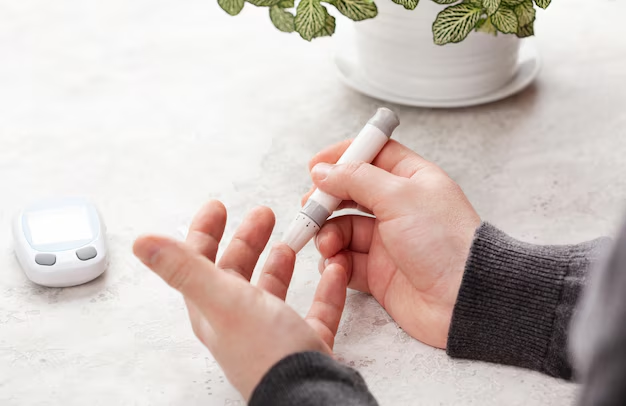
Understanding Hypoglycemia: Can It Occur Without Diabetes?
When the word hypoglycemia is mentioned, most people quickly relate it to diabetes. However, the phenomenon of low blood sugar isn't exclusive to those living with diabetes. Can you have hypoglycemia without diabetes? Absolutely. It's a condition that deserves attention beyond its association with diabetes. Let's explore what hypoglycemia is, its potential causes, symptoms, and how it can affect individuals without diabetes.
🧩 What is Hypoglycemia?
Hypoglycemia refers to a condition characterized by abnormally low levels of blood glucose. Glucose is essential as it's the primary energy source for the body's cells. Although it is commonly associated with diabetes, people without diabetes can also experience hypoglycemia under certain conditions.
Key Characteristics of Hypoglycemia
- Blood Sugar Levels: For non-diabetics, hypoglycemia is typically defined when blood sugar levels fall below 70 mg/dL.
- Symptoms: These include shakiness, sweating, fatigue, hunger, irritability, and confusion.
- Severe Cases: If left untreated, severe hypoglycemia can lead to more profound symptoms such as seizures, unconsciousness, and in rare cases, can be life-threatening.
🌟 Causes of Hypoglycemia Without Diabetes
While diabetes is a significant cause of hypoglycemia, several other factors can contribute to low blood sugar in those without the condition.
1. Medications
Certain medications, even those unrelated to diabetes treatment, can cause hypoglycemia. Some antibiotics, for instance, may occasionally lead to low blood sugar episodes.
2. Hormonal Deficiencies
Hormonal imbalances or deficiencies can also play a role. Conditions affecting the adrenal or pituitary glands, leading to insufficient production of essential hormones, can prompt hypoglycemic episodes.
3. Poor Nutrition and Fasting
Skipping meals or prolonged fasting can deplete the body's glucose stores. Similarly, diets lacking in essential nutrients might not provide the body with enough carbohydrates for consistent energy levels.
4. Excessive Alcohol Consumption
Alcohol can interfere with the liver's ability to release glucose into the bloodstream, which can lower blood sugar levels significantly, especially when consumed on an empty stomach.
5. Severe Infections and Illness
Some severe infections and illnesses can lead to an increased need for glucose by the body or interfere with glucose production, resulting in hypoglycemia.
🔍 Recognizing Symptoms of Hypoglycemia
Hypoglycemia can sometimes be overlooked because its symptoms are not unique and can appear mild. Recognizing these symptoms is crucial in managing the condition effectively.
Common Symptoms:
- Tremors or shaking
- Sweating
- Irritability or mood changes
- Rapid heartbeat
- Fatigue and weakness
- Blurred vision
- Headaches
More Severe Symptoms:
- Confusion
- Seizures
- Loss of consciousness
��️ Quick Summary of Symptoms:
- Mild Symptoms: Shakiness, sweating, irritability.
- Severe Symptoms: Confusion, seizures, unconsciousness.
🎯 How to Manage Hypoglycemia Without Diabetes
Understanding how to manage hypoglycemia that isn't related to diabetes can help prevent potentially dangerous situations. Here’s how you can navigate through this condition:
1. Immediate Response
If you experience symptoms of low blood sugar:
- Consume fast-acting carbohydrates like fruit juice, glucose tablets, or candies to quickly raise blood sugar levels.
- 🍬 Tip: Keep sugary snacks or glucose tabs easily accessible, especially if you’re prone to sudden episodes.
2. Dietary Adjustments
Eating regular, balanced meals with sufficient carbohydrates and protein can help prevent hypoglycemic episodes.
- 🍏 Suggestion: Incorporate whole grains, fruits, and lean proteins into your daily meals.
3. Monitor Medications
If you suspect that medication might be affecting your glucose levels, consult with a healthcare professional to explore alternatives or dosage adjustments.
4. Limit Alcohol
Be mindful of your alcohol intake, especially on an empty stomach. Eating while drinking can mitigate the risk of hypoglycemia.
5. Regular Check-Ups
Routine health check-ups can help monitor hormone levels and ensure other underlying conditions are not contributing to hypoglycemic incidents.
🤝 The Relationship Between Hypoglycemia, Diabetes, and General Health
While hypoglycemia is frequently discussed within the context of diabetes, its occurrence without diabetes highlights broader health considerations. Understanding this relationship helps draw attention to the body's overall balance and the factors that can impact blood glucose levels.
Preventive Steps:
- Know Your Body: Awareness of how your body responds to different foods, stress, and exercise is crucial.
- Holistic Approach: Treating hypoglycemia involves more than just addressing blood sugar levels; it's about ensuring overall hormonal and nutritional balance.
The Role of Lifestyle:
- Regular physical activity helps maintain metabolic balance.
- Adequate hydration supports general health and energy levels.
- Stress management techniques can further aid in stabilizing blood sugar levels.
⚖️ Understanding the Complexity of Non-Diabetic Hypoglycemia
Having hypoglycemia without a diabetes diagnosis can be perplexing due to the numerous potential causes and contributing factors. Appreciating this complexity leads to a comprehensive approach in addressing the condition.
Diagnostic Tests:
- Blood tests to measure glucose levels during symptoms.
- Hormonal evaluations to check for imbalances.
Collaborate with Professionals:
- Seeking guidance from healthcare providers, including dietitians and endocrinologists, can be beneficial in managing symptoms effectively.
📝 Visually Distinct Summary Section
Key Takeaways: Hypoglycemia Without Diabetes
- 🍎 Causes: Medications, hormonal deficiencies, poor nutrition, excessive alcohol, infections.
- 🥦 Management: Regular meals with balanced nutrients, monitor medications, limit alcohol.
- ⚠️ Symptoms: Shaking, sweating, irritability, confusion.
- 🔄 Prevention: Regular health check-ups, stress management, hydration.
Understanding hypoglycemia beyond diabetes opens up a broader conversation about general health and metabolic balance. With awareness, you can take proactive steps to monitor and manage your blood sugar, staying one step ahead of potential challenges.