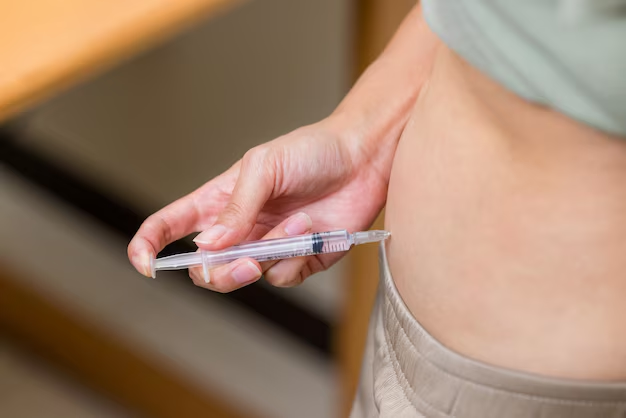
Reversing Pre-Diabetes: A Practical Guide to a Healthier Future
Pre-diabetes is a condition that precedes type 2 diabetes, where blood sugar levels are higher than normal but not yet high enough to be classified as diabetes. It's an early warning sign that offers a critical window of opportunity for intervention. Many people wonder, "Can you reverse pre-diabetes?" The short answer is: Yes, with lifestyle changes and the right approach, you can often reverse pre-diabetes and prevent its progression to type 2 diabetes. Let's explore how you can take control of your health and reverse this condition through various effective strategies.
Understanding Pre-Diabetes
What is Pre-Diabetes?
Pre-diabetes is a health condition where blood glucose levels are elevated beyond the normal range, but not enough to qualify as diabetes. It's an indication that the body is starting to struggle with regulating insulin and glucose effectively. Although not everyone with pre-diabetes will develop type 2 diabetes, it's a crucial red flag to address health habits.
Symptoms and Risks
Pre-diabetes often goes unnoticed as it typically does not present clear, distinct symptoms. However, certain signs can be subtle indicators—such as increased thirst, frequent urination, and fatigue. Awareness of risk factors like family history, obesity, sedentary lifestyle, and poor diet can help assess the likelihood of developing this condition.
Key Strategies for Reversing Pre-Diabetes
Taking preventive measures can significantly influence the course of pre-diabetes. The following strategies are known to be particularly effective:
Empower Your Nutrition Choices
Make Healthy Eating a Priority
Adopting a balanced diet plays a fundamental role in managing pre-diabetes. Focus on:
- Whole Grains: Opt for whole grain options like brown rice, quinoa, and oats that have reduced impact on blood sugar spikes.
- Fruits and Vegetables: Incorporate a variety of colorful fruits and veggies packed with essential nutrients and fiber.
- Lean Proteins: Include lean meat, fish, tofu, and legumes to maintain satiety and muscle health without excess fat.
- Healthy Fats: Prioritize sources like avocados, nuts, and olive oil that are beneficial for heart health.
Watch Portion Sizes
Practicing portion control is essential. Large servings can lead to overconsumption of calories, potentially worsening blood sugar levels. Mindful eating techniques can help regulate intake.
Increase Physical Activity
Find Enjoyable Activities
Regular physical activity enhances insulin sensitivity and helps regulate blood sugar. Find exercises you enjoy, such as:
- Brisk Walking or Jogging: Simple yet effective for overall fitness and blood sugar control.
- Cycling or Swimming: Low-impact workouts that are excellent for cardiovascular health.
- Strength Training: Building muscle mass boosts metabolism and supports glucose regulation.
Commit to at least 150 minutes of moderate activity per week. Small changes like taking the stairs or walking during breaks contribute positively.
Achieve and Maintain a Healthy Weight
Weight loss, even modest, significantly impacts pre-diabetes management. Tailor a realistic plan prioritizing consistency over quick fixes.
Prioritize Sleep and Manage Stress
The Role of Quality Sleep
Adequate sleep is fundamental for metabolic health. Poor sleep can disrupt hormonal balance, affecting hunger and insulin regulation.
Stress Management Techniques
Chronic stress impacts blood sugar control. Practice relaxation methods like meditation, deep-breathing exercises, or yoga to help manage stress levels.
Monitoring Your Progress
It's crucial to keep track of your health journey. Regular medical consultations and blood sugar monitoring help gauge the effectiveness of lifestyle changes. Partner with healthcare professionals to adjust strategies as needed.
Key Takeaways for Success
🤔 Assess Initial Risk: Know your numbers and risk factors.
🥦 Revamp Diet: Prioritize whole foods, balanced nutrition.
🚴 Stay Active: Incorporate enjoyable physical activities.
😴 Rest Well: Ensure quality sleep and manage stressors.
🩺 Consult Regularly: Keep tabs on your health with professional guidance.
Exploring Related Topics
To deepen your understanding of pre-diabetes and effective management, consider exploring:
Impact of Diet Variability
Different dietary patterns, such as low-carb or Mediterranean diets, show varied effectiveness in blood sugar management. Investigate which aligns best with personal preferences and metabolic responses.
Developing a Support System
Accountability is crucial in achieving health goals. Engage family, friends, or support groups to motivate and maintain lifestyle changes.
Innovations in Pre-Diabetes Management
Stay updated on emerging research and technology that support pre-diabetes reversal—like digital health apps or wearable devices aiding in tracking progress.
Concluding Insights
Reversing pre-diabetes is a realistic goal, necessitating commitment to lifestyle adjustments and proactive health management. By embracing nutrition, exercise, quality rest, and stress management, individuals can pivot towards a healthier future. With strategic planning, support, and consistent monitoring, it's possible to not only prevent type 2 diabetes but significantly enhance quality of life.
Begin your journey towards reversing pre-diabetes today—embrace small changes, celebrate progress, and create a lasting impact on your health outlook.