How Does Diabetes Impact Your Eyes? An In-Depth Guide
When we think about diabetes, discussions often revolve around blood sugar control, dietary management, and medication. Yet, beyond these frequent dialogues lies a crucial aspect that frequently goes unnoticed: eye health. How, then, does diabetes affect the eyes? Let's delve deep into the relationship between diabetes and vision to discover key insights and practical guidance.
Understanding the Connection Between Diabetes and Eye Health
Diabetes can initiate a myriad of health complications, and eye issues rank high on that list. The most profound link lies in how diabetes impacts blood vessels in the eye. Elevated blood sugar levels over a prolonged period can lead to conditions where these vessels become damaged or leak, ultimately affecting vision.
Key Eye Conditions Linked to Diabetes
Diabetic Retinopathy
- What is it? This condition is an eye disorder that can lead to loss of vision. It results from damage to the small blood vessels in the retina, a light-sensitive tissue at the back of the eye.
- Progression: Often undetected initially, it may progress to more severe stages if left unchecked, involving swelling or leakage in the macula or the formation of abnormal blood vessels.
Diabetic Macular Edema (DME)
- Cause: Stemming from diabetic retinopathy, DME occurs when fluid accumulates in the macula, the central part of the retina responsible for sharp vision.
- Impact: This fluid buildup leads to swelling and can distort and blur vision.
Cataracts
- What to Know: Diabetes may hasten the development of cataracts, which occur when the eye's lens becomes cloudy, leading to impaired vision.
Glaucoma
- Condition Overview: Glaucoma involves increased pressure within the eye, potentially resulting in optic nerve damage.
- Diabetic Connection: Individuals with diabetes have a heightened risk of developing this complication, especially a form known as neovascular glaucoma, which emerges due to abnormal blood vessel growth.
Symptoms to Watch Out For
While each condition varies, certain symptoms might signal eye-related complications due to diabetes:
- Blurred or double vision: A potential indication of diabetic retinopathy or cataracts.
- Flashing lights or floaters: Often linked to retinal issues, such as tears.
- Sudden vision changes: Rapid shifts in vision clarity necessitate prompt consultation with a healthcare provider.
- Pain or pressure in the eyes: This could signify a more severe condition like glaucoma.
🚨 Key Takeaways:
- Stay vigilant for changes in vision.
- Regularly schedule comprehensive eye exams.
- Consult promptly with eye healthcare providers when symptoms arise.
Preventative Steps to Safeguard Your Vision
While the link between diabetes and eye health poses challenges, you can take actionable steps to mitigate the risks and maintain optimal vision health.
Maintain Optimal Blood Sugar Levels
- Regularly monitor your blood sugar levels.
- Follow healthcare provider guidance on diet, exercise, and medication.
Regular Eye Examinations
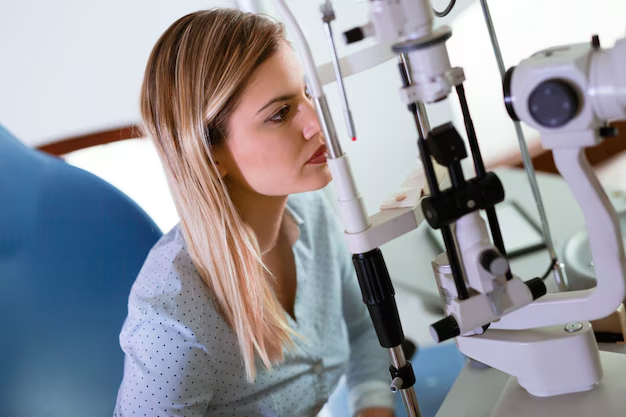
- Recommended Actions: Ensure annual comprehensive eye exams. Early detection can make a significant difference.
- Professional Guidance: Optometrists and ophthalmologists can detect early signs of diabetic eye conditions even before symptoms are noticeable.
Healthy Lifestyle Choices
- Nutrition: Adopt a balanced diet rich in fruits, vegetables, and whole grains.
- Physical Activity: Engage in regular exercise to help maintain a healthy weight and blood sugar levels.
- Avoid Smoking: Smoking can increase the risk of developing diabetic eye diseases.
Summary of Protective Measures: 🌟
- 🎯 Regular Monitoring: Keep blood sugar levels in check.
- 👓 Eye Exams: Annual visits to an eye specialist are crucial.
- 🥗 Healthy Living: Embrace a nutritious diet and regular physical activity.
- 🚭 Say No to Smoking: Protect your vision and overall health by avoiding smoking.
Practical Tips for Managing Eye Health with Diabetes
Effectively managing diabetes-related eye health not only involves preventative measures but also daily practices for maintaining well-being.
Eye-Strain Management
- Limit Screen Time: Implement the 20-20-20 rule—every 20 minutes, take a 20-second break and look at something 20 feet away.
- Adjust Lighting: Ensure proper lighting while reading or working at a computer to minimize strain.
Emergency Preparedness
- Recognize Emergencies: Understanding symptoms that pose immediate risks can aid in seeking timely intervention.
- Emergency Contacts: Have a list of healthcare providers and specialists that can address urgent issues quickly.
Engage with Support Networks
- Diabetes Support: Consider joining support groups to share experiences and learn strategies from others managing diabetes.
- Family Involvement: Educate your family on diabetic eye health to foster a supportive environment.
Looking at the Future: Research and Developments
The journey toward improved diabetic eye health is dynamic, and ongoing research continues to show promise.
Innovative Treatments
- Laser Therapy: Advances in laser treatments target areas of the retina affected by diabetic retinopathy.
- Injections: Specialized medications can help reduce swelling in the retina caused by DME.
Technological Advances
- Digital Health Tools: Apps and devices for monitoring vision changes can aid in early detection.
- AI in Healthcare: Artificial intelligence is playing an increasing role in diagnosing and monitoring diabetic eye diseases.
Taking the Next Steps Toward Better Vision Health
Understanding the impact of diabetes on eye health empowers you to take proactive steps toward prevention and management. By staying informed, scheduling regular eye exams, and adopting healthy lifestyle choices, you can protect your eyes and maintain clear vision for the future.
The journey to eye health amidst diabetes is complex and multifaceted, yet achievable through dedication and the right approach. Let this guide serve as the first step toward maintaining your visual well-being, ensuring you take control of your health with confidence and clarity.