Accelerating Diabetic Wound Healing: A Comprehensive Guide
Living with diabetes presents unique challenges, particularly when it comes to wound healing. For those managing this condition, even minor cuts or sores can become serious health concerns if not addressed properly. But how can one improve the healing process effectively? Let's delve into a holistic approach to understanding and managing diabetic wounds with practical, insightful strategies for faster recovery.
Understanding Diabetic Wounds
Why Do Diabetic Wounds Heal Slowly?
Diabetes can affect the body in numerous ways that impede wound healing. High blood sugar levels can lead to high glucose environments which can damage nerves and result in poor blood circulation. These conditions inhibit the delivery of oxygen and nutrients essential for wound repair, while also increasing the risk of infection.
Common Sites for Diabetic Wounds
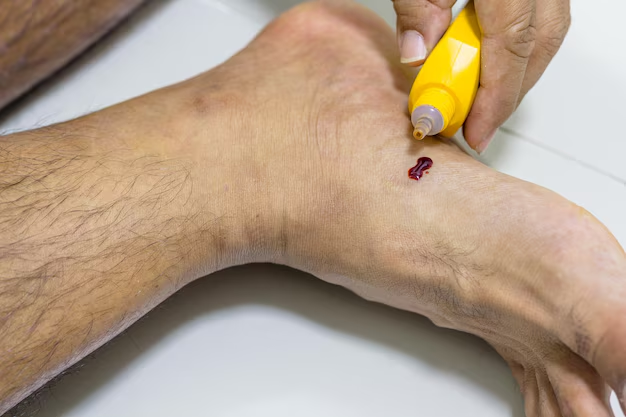
Diabetic wounds frequently occur on the feet, known as diabetic foot ulcers. Neuropathy, or nerve damage, reduces sensation, making individuals less aware of injuries. Without prompt treatment, these wounds can worsen rapidly.
Strategies to Enhance Diabetic Wound Healing
1. Maintain Optimal Blood Sugar Levels
Keeping blood sugar within target ranges is crucial. Consistently managing glucose levels can minimize complications associated with diabetic wounds and support a more efficient healing process. Consider regular monitoring and consult healthcare professionals for a tailored diabetes management plan.
2. Proper Wound Care Techniques
Cleaning and dressing wounds appropriately is vital. Using sterile cleaning solutions and maintaining a dry environment around the wound minimizes infection risks. Proper bandaging techniques can protect the wound while allowing it to heal.
3. Regular Foot Inspections
Daily inspections can help identify problems early. Looking for signs of redness, swelling, or discharge can catch infections before they advance. Encouragingly, this vigilance can lead to faster treatment and recovery times.
4. Nutritional Support
A balanced diet rich in vitamins and minerals supports faster wound healing. Ensure adequate intake of:
- Vitamin C and zinc: Boost collagen synthesis and promote immune function.
- Protein: Essential for cell growth and repair.
- Omega-3 fatty acids: Found in fish oil, these can reduce inflammation.
5. Stay Active
Exercise promotes circulation, which can enhance wound healing. Focus on activities that are manageable and enjoyable, like walking or swimming, but consult with healthcare providers to tailor an exercise program suitable for your condition.
6. Avoid Smoking and Alcohol
Both smoking and excessive alcohol consumption can impede circulation and immune response, delaying the healing process. Reducing or eliminating these habits can significantly impact wound recovery positively.
Advanced Healing Options
When traditional methods don't suffice, there are advanced treatments to consider:
Topical Treatments
Products containing antimicrobial agents can be applied to wounds directly to reduce the bacterial load, crucial for faster healing. Other topical agents might include growth factors which encourage tissue repair.
Compression Therapy
For certain kinds of wounds, particularly those caused by venous insufficiency, compression therapy can improve circulation and hasten healing. Specially-fitted compression garments are used under medical supervision.
Temperature and Pressure Control Devices
Maintaining the right surroundings for a wound, such as optimal temperature and pressure, can foster a better healing environment. Devices designed for these purposes might be recommended, particularly for foot ulcers.
Review of Key Strategies for Faster Healing 📝
- 🔍 Daily Inspections: Identify issues early.
- 🌡️ Blood Sugar Management: Keep levels steady.
- 🩹 Proper Wound Care: Clean and protect.
- 🥗 Nutritional Balance: Support with vitamins and protein.
- 🚶 Exercise: Encourage circulation.
- 🚭 Lifestyle Choices: Avoid smoking and limit alcohol.
Psychological and Emotional Considerations
Wound healing isn't just a physical journey; it's an emotional one too. Dealing with slow recovery times can be frustrating and stressful.
Seek Support
Talking with friends, family, or support groups can provide emotional relief and practical advice, which is incredibly valuable.
Mindfulness and Stress Reduction
Practices such as meditation or yoga can help in maintaining a calm mindset, which may indirectly contribute to better wound management by reducing stress-related inflammation.
Communicate with Healthcare Providers
Open communication with healthcare providers can tailor strategies to individual needs, leading to more effective treatment plans. Regular follow-ups ensure any changes are quickly addressed.
Prevention: The Best Strategy
Taking preventive measures can reduce the incidence of diabetic wounds:
- Wear Appropriate Footwear: Shoes that fit well can prevent rubbing and pressure sores.
- Maintain Skin Health: Moisturize to prevent cracks but avoid between toes to prevent fungal growth.
- Routine Check-Ups: Regular medical exams can catch potential issues before they evolve into larger problems.
Conclusion: Empowering Recovery
Navigating the complexities of living with diabetes and managing wounds requires informed care and attention. By embracing a comprehensive approach and incorporating both traditional methods and advanced treatments, individuals can significantly influence their healing timeline. Remember, each aspect of care — from maintaining proper glucose levels to daily foot inspections — plays a pivotal role in promoting faster, healthier healing.
In summary, diabetic wound healing demands a multifaceted strategy, focusing on proactive management, consistent care, and ongoing communication with healthcare professionals to achieve the best outcomes. By nurturing the body and mind, diabetic individuals can enjoy a more active, healthier life with fewer complications related to wounds.