How to Identify Diabetes: A Comprehensive Guide
Identifying diabetes early is crucial to managing and living a healthy life with the condition. Walking through a day, you might not notice the onset of symptoms, as they can be quite subtle. Let's delve into understanding diabetes thoroughly, exploring how you can check for this condition and the broader implications it may have on your life.
Understanding Diabetes: What It Is and Why It Matters
Diabetes is a chronic health condition that affects how your body turns food into energy. The majority of the food you eat is broken down into sugar (glucose) and released into your bloodstream. When your blood sugar goes up, it signals your pancreas to release insulin. Insulin acts like a key to let the blood sugar into your body's cells for use as energy.
Type 1 Diabetes: An autoimmune condition where the body attacks insulin-producing cells in the pancreas. This form typically appears in children and young adults.
Type 2 Diabetes: More common, usually developing in adults. Your body becomes resistant to insulin, and your pancreas can't keep up in making enough insulin to maintain normal glucose levels.
Gestational Diabetes: Occurs during pregnancy and typically resolves after childbirth but increases the risk of developing Type 2 diabetes later in life.
Being aware of your body's condition helps you to mitigate complications such as nerve damage, kidney disease, or even vision problems. Regular monitoring and maintaining lifestyle changes can make a significant impact.
Recognizing Diabetes Symptoms: Signals Your Body Sends
Common Symptoms to Watch For
- Increased Thirst & Frequent Urination: High blood sugar pulls fluid from tissues, making you thirsty and needing more frequent bathroom trips.
- Fatigue: Feeling tired is a common symptom due to your body’s inability to use glucose effectively for energy.
- Blurred Vision: High levels of glucose can pull fluid from your lenses, affecting your vision.
Subtle Symptoms That Shouldn't Be Ignored
- Slow-Healing Sores or Frequent Infections: High glucose levels can hinder healing.
- Darkened Skin Areas: Especially in folds and creases, indicating insulin resistance.
- Unintended Weight Loss: Your body could be using fat and protein for energy when it can’t utilize sugar.
Getting Tested: Methods to Diagnose Diabetes
Just suspecting diabetes isn’t enough. Validating it through medical tests gives clarity. Here are several approaches:
Blood Tests for Diabetes
- A1C Test: Reflects your average blood sugar levels over the past two to three months.
- Fasting Blood Sugar Test: Measures blood sugar after fasting overnight.
- Glucose Tolerance Test: Consists of fasting overnight, drinking a glucose solution, and then blood sugar level checks.
- Random Blood Sugar Test: Testing randomly, though unwarranted, can still showcase your glucose levels.
Home Testing Options
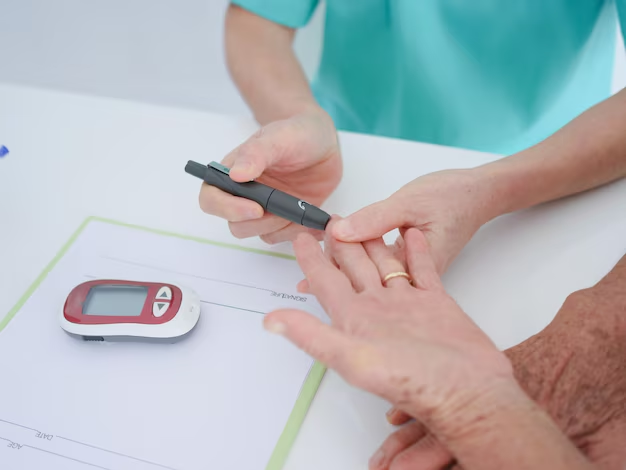
For those wanting to check frequently, home kits can be a useful tool. Using a blood glucose meter involves pricking your finger to get a drop of blood for the test strip to assess glucose levels.
Professional Healthcare Guidance
For an accurate reading and understanding, consulting with a healthcare professional is highly advisable. They can interpret your results and suggest a course of action that is personalized to your needs.
Managing Diabetes: Living With Awareness
Knowing you have diabetes is just the beginning. Adapting lifestyle choices is essential.
Lifestyle Changes for Better Health
- Balanced Diet: Focus on whole foods, fiber-rich vegetables, protein, and healthy fats.
- Regular Exercise: Helps maintain weight and increase insulin sensitivity.
- Routine Monitoring: Checking your glucose levels regularly to understand and manage food choices and activity levels.
Importance of Medical Management
- Regular Checkups: Monitor heart, kidney health, and other diabetes-related complications.
- Medication Adherence: Whether it's insulin or oral medications, keeping up with prescribed treatment is crucial for stable blood levels.
Tips for Proactive Diabetes Management
Here’s a quick summary for maintaining a healthy lifestyle with diabetes:
- 🥗 Healthy Eating: Embrace a diet balanced with nutrients.
- 🏋️ Stay Active: Regular physical activity boosts energy and well-being.
- 🩺 Monitor Regularly: Keep an eye on your glucose levels and overall health.
- 💧 Stay Hydrated: Water aids in maintaining optimal health and managing glucose levels.
The Psychological Impact: Addressing Mental Health
Diabetes diagnosis can be overwhelming. Feelings of stress, anxiety, and depression aren’t uncommon, and tackling these is as crucial as managing physical health.
Strategies for Managing Mental Health
- Support Networks: Engage with groups facing similar challenges for emotional support.
- Mindfulness and Relaxation Techniques: Practices like yoga and meditation can help maintain peace of mind.
- Professional Support: Don’t hesitate to seek psychiatric or psychological guidance when necessary.
Finding Balance: Diabetes and Life
Living with diabetes involves learning about lifestyle management, staying informed, and making conscious choices daily. It’s not about stopping life but harmonizing habits that sustain long-term well-being.
Building a system that works for you, armed with the knowledge and resources, makes living with diabetes a manageable reality. Remember, moderation, consistency, and awareness are your greatest allies.
Recognizing the signals your body sends and committing to regular health checks is a step toward a proactive and fulfilling life. Empower yourself with knowledge and understanding, and let that guide you through managing diabetes with confidence and clarity.