How to Get Tested for Diabetes: A Complete Guide
Diabetes is a pressing health concern that can have a significant impact on your overall well-being if left undiagnosed or untreated. Getting tested for diabetes is the first step towards managing or even preventing this condition. But if you're wondering "How can I get a diabetes test?", you've come to the right place. In this comprehensive guide, we’ll walk you through everything you need to know about diabetes testing, including what to expect, where you can get tested, and the next steps if your results are positive.
Understanding Diabetes and Its Importance
Before diving into the testing process, it's crucial to understand what diabetes is and why it matters. At its core, diabetes is a condition where your body either can't produce insulin or can't use insulin effectively, which leads to elevated blood sugar levels. This imbalance can cause significant health complications over time, affecting your heart, kidneys, eyes, and more.
Why Getting Tested Matters:
- Early Diagnosis: Early detection of diabetes can lead to more effective management and prevention of complications.
- Lifestyle Adjustments: Knowing your diabetes status can help you make informed lifestyle and dietary changes.
- Reducing Risks: Managing diabetes with the help of healthcare professionals can reduce the risk of serious health issues.
Types of Diabetes Tests: Which Is Right for You?
When it comes to diabetes testing, there are several types of tests you might encounter. Each has its own purpose and can provide vital information about your blood sugar levels.
1. Fasting Blood Sugar Test
The fasting blood sugar test measures your blood sugar after not eating anything (fasting) for at least 8 hours. It’s a simple and commonly used test to screen for diabetes or prediabetes.
2. A1C Test
The A1C test, also known as the hemoglobin A1c or HbA1c test, provides an average of your blood sugar levels over the past 2-3 months. It's an essential test for both diagnosing diabetes and monitoring how well you’re managing the disease.
3. Oral Glucose Tolerance Test (OGTT)
The OGTT involves fasting overnight and then drinking a sugary solution. Your blood sugar levels are tested at intervals to see how well your body processes the sugar. It’s often used in diagnosing gestational diabetes during pregnancy.
4. Random Blood Sugar Test
This test can be done at any time of the day and doesn't require fasting. It’s less formal but can help indicate if you might have diabetes and need further testing.
Where Can You Get a Diabetes Test?
There are various places where you can get tested for diabetes, each offering its own set of conveniences and scopes.
1. Primary Care Doctor
Visiting your primary care doctor is often the first step. They can guide you on which test is most appropriate and interpret the results for you.
2. Local Clinics
Local health clinics or community health centers often provide diabetes testing services, sometimes even free or at reduced costs. They can be a practical option if you’re looking for more affordable healthcare solutions.
3. Pharmacy Health Centers
Many pharmacies offer basic health screenings, including diabetes tests. These centers provide a quick and convenient way to get a blood sugar test without needing an appointment.
4. At-Home Testing Kits
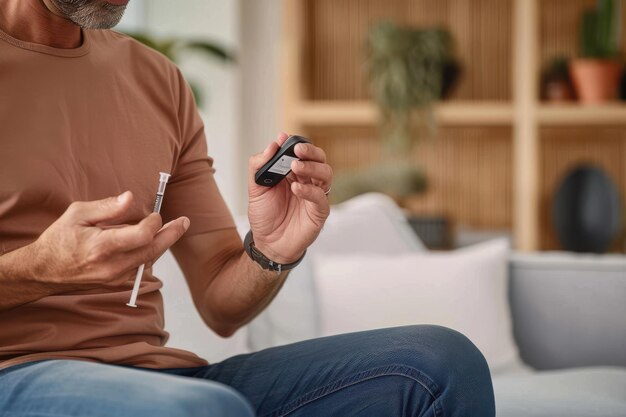
At-home diabetes testing kits are available for purchase and can be a convenient way to monitor your blood sugar levels in the comfort of your home. These kits usually require a small finger-prick blood sample.
What To Expect During a Diabetes Test
Understanding what to expect during a diabetes test can ease your mind and prepare you for the process.
- Preparation: Depending on the test, you might need to fast or make dietary adjustments. Confirm what’s required with your healthcare provider.
- The Procedure: Most tests involve a simple blood draw, which can be done at a doctor's office, clinic, or lab.
- Duration: Tests like the fasting blood sugar or random blood sugar test are quick, while the OGTT might take a few hours due to the repeated measurements.
- After the Test: Your results will either be discussed during your visit or sent to you. Your healthcare provider will interpret the results and suggest any next steps.
Interpreting the Test Results: What’s Next?
Receiving your diabetes test results is just the beginning of your health journey.
Understanding the Numbers
- Normal Range: A fasting blood sugar level less than 100 mg/dL and an A1C level below 5.7% are typically considered normal.
- Prediabetes: Blood sugar levels between 100-125 mg/dL in the fasting test or an A1C between 5.7%–6.4% indicate prediabetes.
- Diabetes: A fasting blood sugar level of 126 mg/dL or higher or an A1C of 6.5% or above typically means diabetes.
Steps after Diagnosis
If you are diagnosed with prediabetes or diabetes, don’t be discouraged. There are many steps you can take to manage the condition effectively.
Consult a Healthcare Professional: Work with your doctor or a diabetes specialist to create a management plan.
Dietary Adjustments: Incorporate a balanced diet rich in vegetables, lean proteins, and whole grains.
Exercise Regularly: Physical activity helps control blood sugar levels and maintain overall health.
Monitor Regularly: Regular monitoring will help you keep track of your blood sugar and observe any notable trends.
Education and Support: Consider joining a diabetes support group for education and encouragement.
Summary Section: Key Takeaways and Tips
🚀 Quick Tips for Getting a Diabetes Test:
- Know the Tests: Understand the different types of tests available, like fasting blood sugar and A1C.
- Choose the Right Place: You can get tested at a doctor’s office, local clinic, pharmacy health center, or even at home.
- Prepare for Testing: Some tests require you to fast, so plan accordingly.
- Understand Your Results: Be clear on what your numbers mean for your health.
- Take Action: If diagnosed, start a tailored health plan with dietary changes, exercise, and regular monitoring.
- Seek Support: Engage with healthcare providers and support groups for comprehensive disease management.
🎯 Remember: Early diagnosis is key to successful diabetes management and prevention of complications.
Conclusion
Getting tested for diabetes is a proactive step towards better health. Understanding your need for a diabetes test and knowing where and how to get tested can empower you in your health journey. Remember, the information and guidance provided are designed to help you make informed decisions, not to serve as medical advice. Always consult healthcare professionals to tailor a plan that suits your personal health needs. Armed with the right information and support, you can effectively manage or even prevent the development of diabetes.