How to Recognize the Signs of Diabetes: A Comprehensive Guide
Have you been experiencing unexplained fatigue, increased thirst, or frequent urination? These could be signs of diabetes, a condition that affects how your body processes glucose. With millions facing this health challenge, understanding the early signals can empower you to take proactive steps towards diagnosis and management. This guide delves into the signs of diabetes, its types, and what steps to take next.
Understanding the Basics of Diabetes
Diabetes is a chronic condition characterized by high blood sugar levels due to the body’s inability to produce or effectively use insulin, a hormone that regulates blood glucose. It's categorized primarily into two types:
- Type 1 Diabetes: An autoimmune condition where the body attacks insulin-producing cells in the pancreas.
- Type 2 Diabetes: A metabolic disorder where the body becomes resistant to insulin or the pancreas fails to produce enough of it.
Common Symptoms of Diabetes
Diabetes often presents symptoms that can be mistaken for other health issues. If you suspect you may have diabetes, here's what to look for:
1. Excessive Thirst and Increased Urination
One of the hallmark symptoms of diabetes is polydipsia, which is excessive thirst. As the body tries to rid itself of excess glucose through urine, it increases urination frequency (polyuria), leading to dehydration and thus, increased thirst.
2. Unexplained Weight Loss
Despite eating normally or more than usual, individuals with diabetes may experience unexpected weight loss. This occurs because the body cannot use glucose efficiently, thus using fat and muscle for energy.
3. Fatigue
Feeling unusually tired is another sign, as the body’s cells become energy-deprived without adequate glucose supply.
4. Blurred Vision
High levels of blood sugar pull fluid from tissues, including the lenses of your eyes, affecting your ability to focus, leading to blurred vision.
5. Slow Healing of Cuts and Bruises
Diabetes impairs circulation and healing, resulting in prolonged recovery from injuries and increased infection risk.
Less Common Symptoms to Watch
Aside from the more typical symptoms, others can hint at diabetes or problems managing the condition:
- Dark Skin Patches: Known as acanthosis nigricans, these might appear in folds such as the neck or armpits.
- Tingling or Numbness: Often felt in the hands or feet, known as neuropathy, arises from nerve damage due to high blood glucose.
- Increased Hunger: Known as polyphagia, arises as cells seek alternative energy sources due to lack of glucose utilization.
Risk Factors to Consider
Understanding your risk factors can aid in assessing the likelihood of developing diabetes. Key considerations include:
Family History and Genetics
Genetic predisposition plays a significant role. If diabetes runs in the family, you may have increased risk.
Lifestyle Factors
Sedentary lifestyle, unhealthy eating habits, and obesity are significant contributors to Type 2 diabetes.
Medical and Physiological Factors
Polycystic ovary syndrome, high blood pressure, and other metabolic syndromes can increase susceptibility.
Steps to Take if You Suspect Diabetes
Consult a Healthcare Professional
If you notice symptoms of diabetes, schedule a consultation with a healthcare professional for a thorough evaluation and testing.
Diagnostic Tests
Several tests help diagnose diabetes, including:
- A1C Test: Reflects average blood glucose levels over the past two to three months.
- Fasting Blood Sugar Test: Measures blood sugar after an overnight fast.
- Oral Glucose Tolerance Test: Monitors blood sugar levels before and after consuming a glucose-laden drink.
Management Strategies for Diabetes
While there's no cure for diabetes, management revolves around lifestyle changes and medical interventions. Here’s how you can manage it effectively:
Healthy Eating
A balanced diet rich in fruits, vegetables, lean proteins, and whole grains can help maintain blood sugar levels.
Physical Activity
Engage in regular physical activities such as brisk walking, cycling, or swimming to enhance insulin sensitivity and glucose uptake.
Medication Adherence
If prescribed, ensure regular follow-up and adherence to medication, which could include insulin or other hypoglycemic agents.
Regular Monitoring
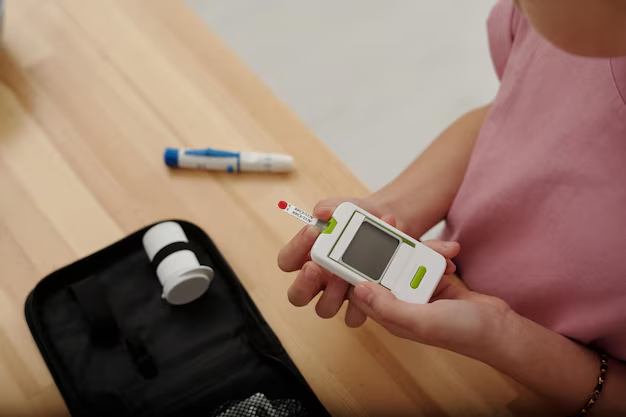
Keep track of your blood glucose levels regularly to manage your condition effectively and avoid complications.
Practical Consumer Tips and Next Steps 📌
Here’s a quick summary that could help you maintain good check-ins regarding diabetes:
- 👁️ Stay Aware: Regularly observe and note any symptoms that could indicate diabetes.
- 🏥 Seek Help Early: Prompt medical attention can lead to early detection and management.
- 🍽️ Embrace Healthy Habits: Adopt a lifestyle focused on nutrition and exercise.
- 📉 Monitor Consistently: Regular blood sugar monitoring is crucial for disease management.
- 📅 Follow Regular Check-ups: Ensure scheduled visits to discuss your condition with healthcare professionals.
Navigating a Diabetes Diagnosis
Receiving a diabetes diagnosis can be daunting, but you can navigate it with confidence by being informed and proactive. Understanding that management is largely about lifestyle adaptation and strategic health monitoring can motivate positive changes. Remember, your healthcare team is there to guide you through managing and living well with diabetes.
Taking charge of your health is a significant step in navigating diabetes. With the right information and support, you can effectively manage your condition and live a healthy, fulfilling life.