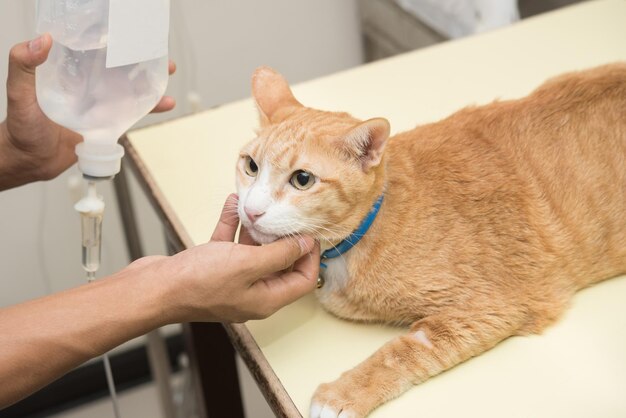
Understanding Feline Diabetes: Causes and Insights
Cats are often regarded as mysterious creatures, and when it comes to their health, they can be just as enigmatic. One growing concern among pet owners and veterinarians is diabetes, which affects felines in much the same way as humans. If you've ever wondered, "How do cats get diabetes?" you've come to the right place. This article delves into the intricacies of diabetes in cats, exploring causes, symptoms, prevention, and management with an engaging approach that’s both informative and reader-friendly.
🐾 What is Feline Diabetes?
Feline diabetes, similar to diabetes in humans, is a condition where the cat’s body cannot properly produce or respond to insulin, leading to high levels of glucose in the blood. Insulin is a hormone critical for regulating sugar or glucose in the bloodstream. When insulin function is impaired, glucose isn't efficiently absorbed into cells, depriving them of energy and causing various health issues.
Types of Feline Diabetes
- Type I Diabetes: This form occurs when a cat's pancreas produces little to no insulin.
- Type II Diabetes: This form is more prevalent in cats and occurs when cells resist insulin despite normal or elevated production levels.
🚨 Factors Leading to Diabetes in Cats
Understanding the causes of diabetes in cats can help in prevention and early detection. Here are some key factors:
Obesity
One of the most common risk factors for diabetes in cats is obesity. Overweight cats are more likely to develop insulin resistance due to excess body fat, which can interfere with insulin signaling.
Diet
A diet high in carbohydrates can contribute to the onset of diabetes in cats. Cats are obligate carnivores, which means their natural diet should be rich in protein and low in carbohydrates. Processed cat foods often contain excessive carbohydrates that can elevate blood sugar levels.
Age and Genetics
Older cats are more prone to developing diabetes. Additionally, certain breeds may have a genetic predisposition. While no breed is immune, Burmese cats have been observed to have a higher incidence of diabetes.
Lack of Exercise
A sedentary lifestyle can lead to obesity and decrease a cat’s insulin sensitivity. Regular exercise is crucial in maintaining healthy weight and promoting good insulin function.
Hormonal Disorders
Conditions like Cushing’s disease or acromegaly can increase the risk of diabetes due to hormonal imbalances impacting insulin effectiveness.
🔍 Recognizing the Symptoms of Diabetes in Cats
Early identification of diabetes symptoms can significantly affect a cat’s quality of life. Here are typical signs to watch for:
- Increased Thirst and Urination: Diabetic cats often exhibit polydipsia (excessive thirst) and polyuria (frequent urination) as the body attempts to balance glucose levels.
- Weight Loss: Despite an increased appetite, diabetic cats may lose weight as their bodies can't efficiently convert food into energy.
- Lethargy: A lack of energy can indicate diabetes, as glucose fails to reach cells that require it for fuel.
- Poor Coat Condition: Dull, unkempt fur may be a sign of underlying health issues, including diabetes.
🩺 Diagnosing Diabetes in Cats
If you suspect your cat may have diabetes, a veterinarian’s visit is paramount. A complete evaluation typically involves:
- Blood Tests: To measure glucose levels and evaluate insulin effectiveness.
- Urine Tests: To detect glucose presence that spills over into the urine when blood sugar is too high.
- Fructosamine Test: Provides a picture of the average blood glucose level over the previous two to three weeks.
🛡️ Prevention and Management of Feline Diabetes
Preventive measures and proper management of diabetes can prolong your cat’s life and improve its quality. Here’s how:
Diet and Nutrition
- High-Protein, Low-Carbohydrate Diet: Opt for diets that mimic a cat’s natural protein-rich eating habits, minimizing carbs.
- Controlled Feeding: Regulate meal portions to maintain a healthy weight.
Regular Exercise
Encouraging activity can mitigate obesity risk and enhance insulin sensitivity. Interactive toys, climbing structures, and daily play can keep felines active.
Routine Veterinary Care
Regular check-ups allow for early detection of diabetes signs. Routine bloodwork is instrumental in managing existing conditions.
Insulin Therapy
For diagnosed cats, insulin injections may be required to manage glucose levels. Administering insulin should always follow a veterinarian’s precise guidance.
Monitor Blood Glucose Levels
Home monitoring using glucose meters designed for cats can help maintain tight control over a cat’s blood sugar levels.
📊 Summary: Key Points and Practical Tips
Here’s a quick summary of practical steps and takeaways for feline diabetes:
- 🐱 Maintain a Healthy Weight: Encourage regular play and a balanced diet.
- 🌿 Choose Nutritious Foods: Prioritize high-protein, low-carb diets.
- 🔍 Watch for Symptoms: Be alert for signs like increased thirst, urination, and weight loss.
- 🏥 Regular Vet Visits: Ensure consistent check-ups and testing.
- 💉 Insulin and Monitoring: Follow vet’s instructions for insulin therapy if needed, and monitor glucose regularly.
🧠 Takeaway Insights
Cats are beloved family members, and their health is a top priority for pet owners. Understanding how diabetes develops in cats empowers us to prevent or manage this condition effectively. By maintaining an ideal weight, providing an appropriate diet, encouraging exercise, and keeping regular vet appointments, we can keep our feline friends healthier and happier.
Remember, while diabetes is a serious condition, many cats continue to live fulfilling lives with appropriate care and monitoring. Always consult your veterinarian for personalized guidance tailored to your pet’s needs. With the right information and dedication, managing your cat’s health can become a straightforward commitment to their wellbeing.