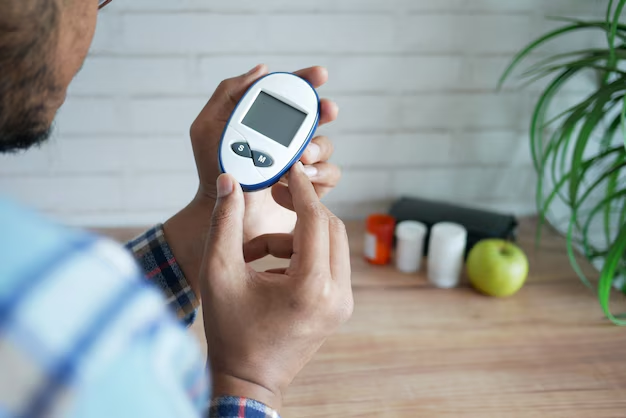
Do I Have Diabetes? Recognize the Signs and Take Action
Diabetes is a common health condition affecting millions worldwide. Whether you're experiencing certain symptoms or are just curious, understanding the signs of diabetes can be crucial for early identification and management. This comprehensive guide will explore various aspects of diabetes to help you identify potential indicators and understand the next steps without providing medical advice.
What is Diabetes?
Diabetes is a chronic health condition characterized by elevated blood glucose levels due to the body's inability to produce sufficient insulin or use it effectively. It primarily comes in three types: Type 1, Type 2, and gestational diabetes. Each type has distinct causes and characteristics, but they all affect how your body processes glucose.
Type 1 Diabetes
- Often diagnosed in children and young adults.
- Occurs when the immune system attacks and destroys insulin-producing cells.
Type 2 Diabetes
- More common and often associated with older age, obesity, and physical inactivity.
- Results from insulin resistance and eventual insulin deficiency.
Gestational Diabetes
- Develops during pregnancy and usually resolves after childbirth.
- Increases the risk of Type 2 diabetes later in life.
Recognizable Symptoms of Diabetes
Experiencing symptoms does not definitively mean you have diabetes, but early recognition can prompt timely medical consultations. If you notice any combination of the following symptoms, consider discussing them with a healthcare professional.
Frequent Urination and Thirst
Increased urination and a persistent feeling of thirst are classic symptoms. When glucose builds up in the blood, the kidneys work harder to expel it, leading to frequent urination. This can result in dehydration, causing increased thirst.
Unexplained Weight Loss
Sudden, unintended weight loss can be a sign. The body may start breaking down muscle and fat for energy when glucose isn't available for cells due to insulin issues.
Fatigue
Constant tiredness or fatigue might occur because your body isn't getting enough energy from the food you eat.
Blurred Vision
High blood sugar levels can cause the lens of the eye to swell, leading to blurred vision.
Slow-Healing Sores or Frequent Infections
High glucose levels can impair circulation and immune function, resulting in slower healing of cuts and bruises and frequent infections.
Risk Factors to Consider
Understanding your risk factors can provide context for your symptoms and help assess your likelihood of developing diabetes.
Genetic Predisposition
If you have a family history of diabetes, especially among immediate family members, your risk may be higher.
Weight and Physical Activity
Excess body weight, particularly around the abdomen, can increase the risk, especially for Type 2 diabetes. Regular physical activity helps maintain weight and improve insulin sensitivity.
Age
Although Type 2 diabetes can develop at any age, it's more common in people over 45. Age-related changes in lifestyle and metabolism can contribute.
Lifestyle and Diet
A diet high in refined sugars and fats, combined with a sedentary lifestyle, is a significant risk factor.
📝 Quick Summary: Signs and Risk Factors
- 🚻 Frequent urination and increased thirst
- ⚡ Unexplained weight loss
- 😴 Fatigue
- 👀 Blurred vision
- 🩹 Slow-healing sores
- 🌟 Risk factors: Family history, overweight, age, lifestyle
Seeking a Professional Diagnosis
If you suspect you have diabetes, the next step is to approach a healthcare provider for a formal diagnosis. Only medical professionals can offer guidance post-diagnosis.
Essential Diagnostic Tests
Understanding which tests are used for diagnosis can help discuss options with your doctor:
- A1C Test: Measures average blood glucose over the past 2-3 months.
- Fasting Blood Sugar Test: Evaluates your blood sugar after an overnight fast.
- Glucose Tolerance Test: Assesses blood sugar before and after consuming a glucose drink.
- Random Blood Sugar Test: Checks your level at a random time of day.
Preventive Measures and Management
If diagnosed with diabetes or at risk, implementing lifestyle changes can be pivotal in managing or preventing the condition.
Dietary Adjustments
Embrace a balanced diet rich in vegetables, whole grains, lean proteins, and healthy fats. Limit sugar and processed foods.
Regular Exercise
Aim for at least 150 minutes of moderate aerobic activity weekly. Activities like walking, swimming, or cycling can be beneficial.
Regular Check-Ups
Routine medical check-ups help monitor your condition and prevent complications. Regular tests can track changes and guide treatment.
Stress Management
Chronic stress can alter blood sugar levels. Engage in relaxation techniques like meditation, yoga, or deep breathing exercises.
🛠️ Practical Tips for Diabetes Management
- 🍽️ Adopt a balanced diet with fiber-rich foods
- 🏃 Engage in regular physical activity
- 🩺 Schedule routine check-ups and monitoring
- 🧘 Practice stress-reduction techniques
When Should You Act?
While symptoms might vary from subtle to severe, recognizing the importance of early detection is critical. Pay attention to persistent symptoms or risk factors and consult a healthcare provider if anything concerns you.
Talking to Family
Discuss your concerns with family members, especially if there's a history of the condition. Their support can be invaluable in your journey toward understanding or managing diabetes.
Making Lifestyle Changes
Even if you don't have diabetes, implementing healthy habits can drastically decrease your risk.
By taking proactive measures, you empower yourself with the knowledge to handle diabetes or its risk factor effectively. Vigilantly monitoring symptoms, understanding risk factors, and seeking timely professional help are key to living a healthier life.
In Conclusion
Understanding the basics of diabetes, recognizing potential symptoms, and evaluating risk areas are significant steps in identifying the condition early. With vigilance and proactive health management, you can navigate concerns about diabetes confidently and perceptively.