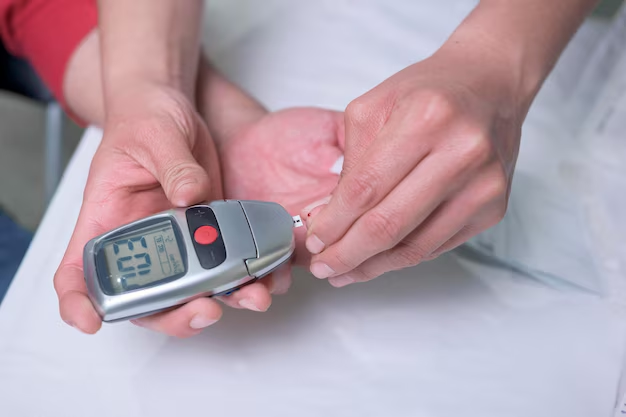
How to Check for Diabetes: A Comprehensive Guide to Understanding and Testing
Diabetes is a chronic health condition that impacts how your body turns food into energy. Understanding how to check for diabetes is crucial for early diagnosis and effective management. This guide will cover everything you need to know about diabetes testing—from symptoms to different types of tests—in a simple, engaging way to help you take proactive steps toward health and wellness.
🩺 Understanding Diabetes: What You Need to Know
What Is Diabetes?
Diabetes occurs when the body cannot produce enough insulin or cannot effectively use the insulin it makes. Insulin is a hormone that helps glucose get into your cells to be used for energy. Two primary types of diabetes are Type 1 and Type 2 diabetes. Type 1 diabetes is largely considered an autoimmune condition and is not preventable, while Type 2 is more closely linked to lifestyle factors and is often preventable or manageable through lifestyle changes.
Why Is Early Diagnosis Important?
Early diagnosis and treatment can help prevent the complications of diabetes, such as heart disease, nerve damage, and kidney issues. The sooner you know about your condition, the sooner you can manage it effectively.
🔍 Recognizing Symptoms of Diabetes
Knowing the symptoms of diabetes is a first step in deciding whether to get tested. While symptoms can vary between individuals, common signs include:
- Increased thirst and frequent urination
- Extreme hunger
- Unexplained weight loss
- Fatigue
- Blurred vision
If you experience any of these symptoms consistently, it may be worth discussing them with your healthcare provider.
Hidden Indicators
Some people with Type 2 diabetes have symptoms so mild that they go unnoticed. Regular check-ups are essential for those at higher risk due to factors like family history or obesity.
🏥 Types of Diabetes Tests
Several tests can diagnose diabetes, each with its benefits and caveats. Here is a breakdown of the most commonly used tests:
A1C Test
What It Measures: The A1C test measures your average blood sugar level over the past two to three months.
Benefits: No fasting is required, and it provides a broader view of how well your blood sugar levels are controlled.
Considerations: It may not be accurate for certain populations, including those with hemoglobinopathies.
Fasting Blood Sugar Test
What It Measures: This test measures your blood sugar after an overnight fast.
Benefits: Simple and cost-effective.
Considerations: Factors like stress or illness can spike your blood sugar, leading to potential false readings.
Oral Glucose Tolerance Test (OGTT)
What It Measures: The OGTT tests your blood sugar before and two hours after you drink a sweet liquid.
Benefits: Particularly useful in diagnosing gestational diabetes during pregnancy.
Considerations: Requires fasting and multiple blood draws, which may be uncomfortable for some.
Random Blood Sugar Test
What It Measures: This test measures blood sugar at any time of the day without fasting.
Benefits: Faster and can be done at any time.
Considerations: May require follow-up testing for a confirmed diagnosis.
📊 Visual Summary: Key Points to Remember
Here's a quick snapshot summary to guide you:
| 🩺 Test Name | 📊 What It Measures | 🎯 Benefits | ⚠️ Considerations |
|---|---|---|---|
| A1C Test | Average blood sugar (2-3 months) | No fasting required | May not suit all populations |
| Fasting Blood Sugar | Blood sugar after fasting | Simple, cost-effective | Stress/illness can affect results |
| OGTT | Blood sugar before & after sweet liquid | Useful for gestational diabetes | Requires fasting, multiple blood draws |
| Random Blood Sugar | Blood sugar at any time | Convenient and fast | May require follow-up for a definitive diagnosis |
🧩 Who Should Get Tested?
Certain risk factors can prompt earlier testing for diabetes. These include:
- Being overweight or obese
- Having a family history of diabetes
- Being over the age of 45
- Sedentary lifestyle
- High blood pressure or abnormal cholesterol levels
If you belong to any of these categories, consider speaking with a healthcare professional about getting tested for diabetes.
👨⚕️ Consulting Healthcare Professionals
While testing is a crucial step in diagnosing diabetes, it is vital to consult healthcare professionals for interpretation and guidance. Here’s why:
Expert Analysis: Professionals can interpret test results accurately and consider other factors that might affect your diagnosis.
Tailored Advice: They can provide personalized recommendations based on your lifestyle, risk level, and overall health.
Psychosocial Support: Managing diabetes involves emotional and mental health aspects that professionals can help navigate.
🍏 Lifestyle Changes and Management
If diagnosed with diabetes or at risk, lifestyle choices can play a significant role in management:
- Diet: Focus on a balanced, low-sugar diet rich in fruits, vegetables, and whole grains.
- Exercise: Regular physical activity can help to maintain healthy blood sugar levels.
- Monitoring: Regularly check blood sugar to understand how your body responds to various foods and activities.
💡 Next Steps: Empowering Your Health Journey
Knowing how to check for diabetes opens the door to proactive health management. Here are the key takeaways to empower your journey:
- Recognize Symptoms: Understand the early indicators of diabetes and act if you experience them.
- Choose the Right Test: Each diabetes test has its benefits. Discuss with your healthcare provider which is best for you.
- Seek Professional Guidance: A healthcare professional can offer crucial support and specific advice tailored to your needs.
- Consider Lifestyle Changes: Adopt a balanced diet and regular exercise regimen as critical tools for managing or preventing diabetes.
By following these steps, you can take control of your health and potentially halt the progression of diabetes. Adopting a proactive mindset is the best defense, ensuring you maintain a quality life, free of complications related to unmanaged diabetes.
Remember, knowledge and timely action are your best allies in managing diabetes effectively. Keep informed, stay alert to changes in your body, and seek professional advice when needed. Your health is in your hands, and with the right steps, you can live a vibrant, full life.