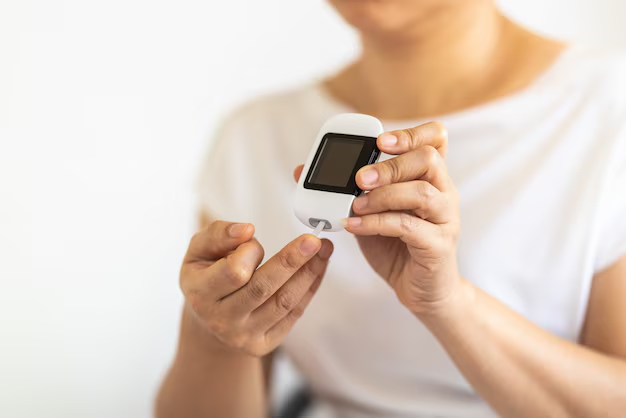
Discovering Diabetes: A Guided Journey to Understanding Testing for Diabetes
Diabetes stands as a prevalent condition, affecting countless lives around the globe. But before embarking on the management or treatment journey, it's crucial to recognize and understand the condition through proper testing. If you're wondering how you can be tested for diabetes, you've come to the right place. This comprehensive guide walks you through every step of the diabetes testing process, illuminating each aspect so you're well-equipped to navigate this crucial healthcare avenue.
💡 Why Testing for Diabetes Matters
Early detection of diabetes plays an instrumental role in managing the condition. Catching diabetes or prediabetes early can significantly reduce the risk of developing severe complications, such as heart disease, kidney problems, or vision issues, while also paving the way for a more tailored and effective treatment plan.
Understanding Diabetes: Types and Symptoms
Three Main Types of Diabetes
- Type 1 Diabetes: An autoimmune condition where the body mistakenly attacks insulin-producing cells in the pancreas. It often manifests early in life, requiring insulin therapy.
- Type 2 Diabetes: More common in adults, this form often develops because of lifestyle factors and involves insulin resistance.
- Gestational Diabetes: Occurs during pregnancy and typically resolves after childbirth. However, it increases the risk of developing Type 2 diabetes later on.
Recognizing Symptoms
While many symptoms overlap, recognizing them can indicate the need for testing:
- Frequent urination
- Unexplained weight loss or gain
- Intense thirst and hunger
- Blurred vision
- Fatigue
- Slow-healing sores or frequent infections
If you experience any of these symptoms persistently, it may be time to consider a diabetes test.
Navigating the Testing Options
Testing for diabetes is relatively straightforward, with several reliable methods available. Here’s an overview of the most common tests used to diagnose diabetes:
🩸 Blood Tests for Diabetes
Fasting Blood Sugar Test:
- What it is: Measures blood glucose after an overnight fast.
- Why it’s used: It helps determine how well your body maintains blood sugar levels.
- Interpretation: A fasting blood sugar level of 126 mg/dL or higher may indicate diabetes.
A1C Test (Hemoglobin A1c Test):
- What it is: Measures average blood sugar over the past 2-3 months.
- Why it’s used: Provides a comprehensive overview of glucose management over time.
- Interpretation: An A1C level of 6.5% or higher on two separate tests indicates diabetes.
Oral Glucose Tolerance Test (OGTT):
- What it is: After fasting, you consume a sugary drink, and blood glucose levels are checked before and two hours after consumption.
- Why it’s used: Assesses how efficiently your body processes sugar.
- Interpretation: A reading of 200 mg/dL or higher suggests diabetes.
Random Blood Sugar Test:
- What it is: Measures glucose levels at any given time of the day.
- Why it’s used: Useful for initial diagnosis, especially if symptoms are evident.
- Interpretation: A reading of 200 mg/dL or higher may indicate diabetes.
🚼 Testing for Gestational Diabetes
Gestational diabetes tests are typically carried out between the 24th and 28th weeks of pregnancy. The process involves drinking a glucose solution followed by blood tests to see how the body handles the sugar.
Preparing for Your Test
Before undergoing any diabetes test, understanding the necessary preparations can enhance accuracy:
- Fasting Requirements: For some tests like fasting blood sugar tests and OGTT, fasting for 8-12 hours is crucial.
- Medication Adjustments: Consult with healthcare providers about any medications that may affect test results.
- Hydration: Ensure you’re adequately hydrated unless advised otherwise.
Interpreting Test Results
Interpreting diabetes test results can sometimes feel daunting. Keep in mind, it’s always best to discuss outcomes with a healthcare professional to understand what they mean for your specific situation.
For a concise overview, here’s a breakdown of key diagnostic blood glucose levels:
| Test Type | Normal | Prediabetes | Diabetes |
|---|---|---|---|
| Fasting Blood Sugar | Less than 100 mg/dL | 100 to 125 mg/dL | 126 mg/dL or higher |
| A1C Test | Below 5.7% | 5.7% to 6.4% | 6.5% or higher |
| OGTT (2-hour) | Less than 140 mg/dL | 140 to 199 mg/dL | 200 mg/dL or higher |
| Random Blood Sugar | Less than 140 mg/dL | Not typically used for diagnosis | 200 mg/dL or higher |
When to Get Tested: Recommendations & Considerations
Timing and frequency of diabetes testing largely depend on personal risk factors and symptoms:
- Age: Starting from 45 years, regular diabetes screening is advised.
- Weight: Overweight or obesity increases diabetes risk; testing might be warranted even earlier.
- Family History: A family background of diabetes necessitates more vigilant screening.
- Lifestyle Factors: Sedentary lifestyles, poor diet, and high stress levels can necessitate more frequent testing.
Staying Prepared: Steps Following a Diagnosis
Receiving a diabetes diagnosis isn’t the end—it’s the beginning of managing your health more effectively. Here’s how to approach the next steps:
- Understand Your Condition: Take informative classes or consult experts to gain deeper insights.
- Lifestyle Changes: Opt for healthier choices—balanced diet, regular exercise, and adequate rest.
- Monitoring: Regular checks on blood glucose levels can help keep track of progress.
Empowering Yourself with Knowledge
Testing for diabetes is a vital dog education domain that empowers patients to take charge of their health. Regular screening and understanding the indications of diabetes not only aid in early diagnosis but also pave the path for effective management and an improved quality of life.
🔍 Quick Recap for Easy Reference
Checking for diabetes involves a range of tests, each playing a crucial role in understanding your health status. Here's a brief snapshot to remember:
- Types of Tests: Fasting Blood Sugar, A1C, OGTT, and Random Blood Sugar
- Symptoms Watch: Frequent urination, excessive thirst, blurred vision, fatigue
- Timing for Screening: Regular tests for those over 45, or earlier for those with high-risk factors
By staying informed and proactive, you can navigate your diabetes journey decisively. Remember, understanding starts with testing, and testing for diabetes is a key step towards better health management. 🌟