Embracing a Healthier Life: Comprehensive Guide to Managing Type 2 Diabetes
Understanding Type 2 Diabetes
Type 2 diabetes is a chronic condition that affects the way the body processes blood sugar (glucose), a crucial energy source. Unlike type 1 diabetes, where the body fails to produce insulin, type 2 diabetes arises when the body becomes resistant to insulin or when the pancreas fails to produce enough insulin. Managing this condition effectively requires a holistic approach, including lifestyle modifications, possibly medications, and regular monitoring.
The Role of Lifestyle Modifications
1. Diet and Nutrition
A balanced diet plays a pivotal role in managing type 2 diabetes. Emphasizing whole foods that stabilize blood sugar levels is essential. Here are some tips:
- Incorporate More Fiber 🥦: Foods like vegetables, fruits, legumes, and whole grains can help slow the absorption of sugars and lower blood sugar levels.
- Opt for Lean Proteins 🍗: Including sources such as fish, poultry, beans, and nuts aids in maintaining balanced glucose levels.
- Control Portion Sizes 🍽️: Being mindful of portion sizes prevents overeating, which can cause blood sugar spikes.
2. Physical Activity
Regular physical activity helps increase insulin sensitivity and aids in weight management:
- Aerobic Exercises 🏃: Activities like walking, cycling, or swimming boost cardiovascular health and assist in blood sugar regulation.
- Strength Training 💪: Building muscle reduces overall blood glucose levels by utilizing glucose more efficiently.
To incorporate physical activity into daily routines, it’s beneficial to find a form of exercise that one enjoys, making it a sustainable part of life.
Monitoring Blood Sugar Levels
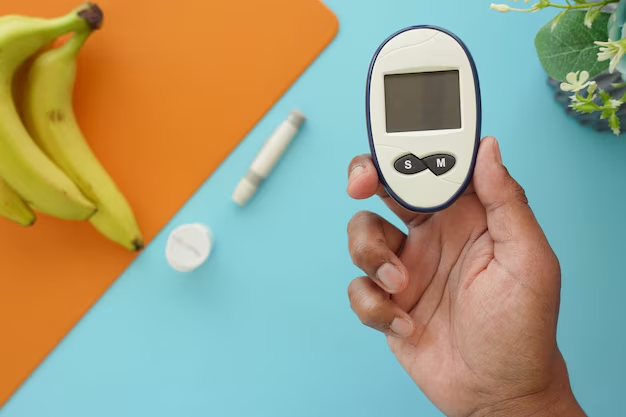
Knowing how and when to monitor blood sugar levels is crucial for anyone managing type 2 diabetes. Regular monitoring helps:
- Track the Effectiveness of dietary choices and medications on blood sugar levels.
- Identify Trends or patterns that might indicate the need for changes in treatment plans.
Medications and Treatments
For many, lifestyle changes alone may not suffice. When necessary, medications can complement lifestyle modifications to better manage type 2 diabetes. These medications work in various ways, such as increasing insulin sensitivity or reducing glucose production in the liver.
Understanding Drug Therapy
- Metformin: Often the first-choice drug, helping to lower glucose production by the liver and improve insulin sensitivity.
- Sulfonylureas: These increase insulin release from the pancreas, but monitoring for potential drops in blood sugar levels is essential.
- GLP-1 Receptor Agonists: These mimic an intestinal hormone that stimulates insulin secretion.
Communication with a Healthcare Professional is critical when incorporating new medications, ensuring they align with individual health needs and conditions.
Natural and Alternative Approaches
While medical treatments are crucial, some explore complementary therapies, which can offer supportive benefits:
- Herbal Supplements 🌱: Elements like cinnamon or berberine are popular but should only be considered after discussions with healthcare providers.
- Mindful Practices 🧘: Stress-reducing techniques, such as yoga and meditation, can positively affect blood sugar control.
The Psychological Impact
Living with a chronic condition like type 2 diabetes can take a toll emotionally. Recognizing and addressing mental health is as vital as managing physical health.
Strategies for Mental and Emotional Wellness
- Building a Support Network: Engagement with family, friends, or support groups provides necessary encouragement and advice.
- Professional Help: Speaking with mental health professionals can offer tailored coping strategies for stress management and emotional resilience.
Key Takeaways for Managing Type 2 Diabetes
- Diet is Key: Opt for foods high in fiber, lean proteins, and manage portion sizes for better blood sugar control.
- Stay Active: Regular exercise boosts insulin sensitivity and overall well-being.
- Monitor Regularly: Know your numbers and understand your body's responses.
- Consider Medications: Use them responsibly and according to advice from healthcare professionals.
- Embrace Mental Health: Take care of emotional well-being to help in the holistic management of diabetes.
Embrace Sustainable Lifestyle Changes
Understanding the elements that contribute to type 2 diabetes empowers individuals to make informed decisions about their health. It's essential to remember that managing diabetes is a journey rather than a destination. By embracing lifestyle changes, keeping up with medical advice, and supporting mental wellness, individuals can lead a balanced and healthier life beyond the diagnosis of type 2 diabetes.
Handy Checklist for Day-to-Day Management
- 🥗 Healthy Eating: Focus on fiber-rich and portion-controlled meals.
- 🏋️ Exercise Routine: Include both aerobic and strength training activities.
- 🗓️ Regular Monitoring: Keep track of blood sugar levels daily.
- 💊 Medication Management: Ensure medications are taken as prescribed.
- 🤝 Emotional Well-being: Engage with support groups or professionals.
This comprehensive approach to diabetes management is not just about controlling a condition, but about cultivating a healthier, more fulfilling lifestyle.