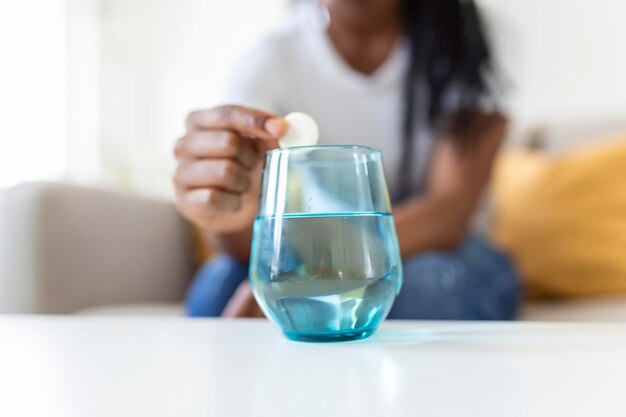
Staying Hydrated: How Much Water Should a Person with Diabetes Drink Daily?
For individuals with diabetes, maintaining a balance in their daily routines is crucial for effective management of their condition. Among the many lifestyle factors to consider, hydration is often overlooked, yet drinking the right amount of water daily can be incredibly beneficial. So, how much water should a diabetic drink each day? Let's explore this in detail, along with useful tips and insights to improve hydration for better health management.
💧 Why Hydration Matters for Diabetes
Understanding the Connection
Water is a fundamental component of numerous bodily functions, and staying adequately hydrated is important for everyone, not just those managing diabetes. For diabetics, water intake is particularly significant because:
- Blood Sugar Regulation: Sufficient hydration helps maintain an optimal blood viscosity, which can assist in stabilizing blood sugar levels.
- Kidney Function: Proper fluid intake supports kidney health, an essential consideration for those with diabetes due to the risk of kidney-related complications.
- Flush Out Toxins: Staying hydrated assists the body in flushing out toxins and excess glucose through urine.
Symptoms of Dehydration
People with diabetes should be vigilant about dehydration, which can be caused or exacerbated by high blood sugar levels. Symptoms include:
- Increased thirst
- Dry mouth and skin
- Fatigue and dizziness
- Dark-colored urine
Being aware of these symptoms can help prevent dehydration and its potential health impacts.
😊 Daily Water Intake: What Experts Suggest
There's no one-size-fits-all answer when it comes to hydration needs. However, general guidelines recommend:
- Standard Advice: Many health professionals suggest about eight 8-ounce glasses of water (around 2 liters) per day for the average adult.
- Personalized Approach: It's vital to consider one's body weight, level of physical activity, and overall health condition. Those living with diabetes should consult with healthcare providers to tailor their specific hydration needs.
Factors Affecting Hydration Needs
- Age and Gender: Older individuals might need to be more vigilant about their water intake. Gender differences can also play a role in hydration requirements.
- Physical Activity: Increased physical exertion necessitates higher water intake due to fluid loss through sweat.
- Climate: Hotter environments or higher altitudes can increase the need for more fluids.
💪 Tips for Improving Hydration
Incorporating More Water into Your Day
- Start Each Day with Water: Begin your morning routine by drinking a glass of water to kickstart hydration.
- Keep Water Accessible: Carry a water bottle and place it within reach throughout your day.
- Infuse Your Water: Adding slices of citrus fruits or herbs like mint can make drinking water more appealing.
Monitoring and Adjusting
- Listen to Your Body: Pay attention to signs of thirst and adjust your intake accordingly throughout the day.
- Use Technology: Consider hydration tracking apps to help monitor daily water consumption.
🍉 Hydration Beyond Water: Other Options
While water is the best source of hydration, other liquids and foods can contribute to meeting daily fluid needs:
- Herbal Teas: Caffeine-free teas can be a refreshing way to mix up your hydration.
- Fruits and Vegetables: Foods with high water content, such as watermelon, cucumber, and strawberries, help keep you hydrated.
Be Cautious with Certain Drinks
- Limit Sugary Beverages: Drinks high in sugar can elevate blood glucose levels and should be consumed sparingly.
- Moderate Caffeine Intake: While caffeinated beverages count toward fluid intake, moderation is key due to their diuretic effect.
📝 Quick Reference Guide for Diabetics on Hydration
Here's a handy summary to prioritize hydration effectively:
- 🍽��� At Meals: Drink a glass of water with each meal to support digestion.
- 🕒 Time It Out: Break down your water intake throughout the day rather than consuming large amounts at once.
- 📱 Use Reminders: Setting alarms or phone reminders can help maintain a consistent hydration schedule.
Summary Table
| Tip | Description |
|---|---|
| 🌞 Morning Glass | Start the day with a hydrating habit. |
| 🚶 On-the-Go | Always have a water bottle handy. |
| 🧊 Make it Tasty | Add fruits or herbs for flavor. |
| 📊 Track it | Use apps to monitor intake. |
| 🌿 Mix it Up | Include water-dense foods. |
🌟 Concluding Insights
Maintaining proper hydration is a simple yet powerful tool in managing diabetes effectively. Through mindful drinking habits, awareness of personal needs, and being equipped with practical tips, those living with diabetes can harness the benefits of adequate hydration. By tuning into your body's signals and integrating these strategies into daily life, managing diabetes becomes a more balanced and healthful journey.
Remember, while these guidelines provide general insight, individual needs can vary. Collaborating with a healthcare professional can ensure personalized and optimal advice for your specific situation. Stay informed, stay hydrated, and aim for the best health outcomes on your diabetes management journey.