How to Test for Diabetes at Home: A Comprehensive Guide
With the growing prevalence of diabetes around the world, you may want to take proactive steps towards understanding your blood sugar levels. While diagnosing and treating diabetes requires professional medical advice, there are effective ways to monitor your blood glucose levels at home. This practice can provide valuable insights and help manage the condition more effectively when combined with professional healthcare advice.
In this guide, we'll explore how to test for diabetes at home and why it matters in managing your health.
🏠 Why Test for Diabetes at Home?
Testing for diabetes at home can be an integral part of managing your wellness routine. Monitoring your blood sugar levels can help you:
- Understand your body's glucose patterns over time, offering insights into how your lifestyle impacts your health.
- React promptly to potential hyperglycemic or hypoglycemic episodes, minimizing adverse effects.
- Collaborate with healthcare professionals by providing them with reliable data for tailoring treatment plans.
By keeping a close track of these patterns, you can proactively work with healthcare providers to optimize your treatment and improve your quality of life.
🔬 Different Methods for Home Testing
1. Blood Glucose Meters
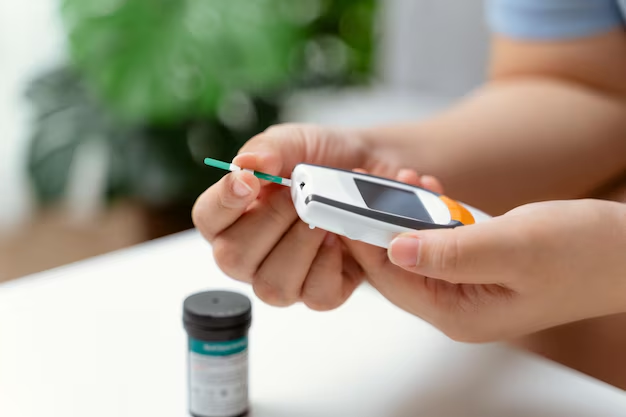
A blood glucose meter is one of the most common and reliable devices to measure blood sugar levels. Here's how it works:
- Pricking Device: A tiny lancet pokes your fingertip to produce a small drop of blood.
- Test Strip: You place the blood drop on the meter's test strip, which you insert into the meter.
- Reading: The meter then provides a reading of your current blood glucose level in milligrams per deciliter (mg/dL).
Choosing the Right Blood Glucose Meter
When selecting a glucose meter, consider:
- Ease of Use: Pick one that you're comfortable handling.
- Data Storage and Transfer: Some devices can store results electronically and transfer data to smartphones or computers.
- Cost of Test Strips: Strips can add up in cost, so choose a system that fits your budget while meeting your needs.
2. Continuous Glucose Monitors (CGMs)
Continuous Glucose Monitors (CGMs) offer a more comprehensive glucose-monitoring approach:
- Sensor: Applied to your skin, this sensor reads interstitial glucose levels over time.
- Transmitter: Sends glucose data wirelessly to a receiver or smartphone app.
- Graphs and Alerts: Provides trends and alerts for high or low blood glucose levels.
Benefits of CGMs
- Continuous Monitoring: Offers real-time tracking of glucose fluctuations throughout the day and night.
- No Needles Required: Unlike blood glucose meters, CGMs largely eliminate the need for frequent finger pricks.
- Advanced Insights: Offers detailed glucose trends and patterns, helping you recognize the impact of meals, activities, and more.
3. A1C Home Test Kits
A1C tests measure your average blood sugar over the past 2-3 months:
- Test Kit: Use the provided kit to draw a small blood sample.
- Mail-In: Send the sample to a lab, which conducts the analysis before sending results back to you.
Why A1C Matters
- Long-term Gaze: Offers an overview of blood sugar control over several weeks.
- Diagnostic Tool: Often used by professionals to assess diabetes management.
📊 Overview of Home Testing Methods
| Testing Method | Ideal For | Pros | Cons |
|---|---|---|---|
| Blood Glucose Meters | Daily monitoring | Quick results, affordable, widely available | Requires regular finger pricks |
| Continuous Glucose Monitors | Continuous insight | Real-time trends, fewer pricks, comprehensive data | Higher cost, setup required |
| A1C Home Test Kits | Long-term tracking | Snapshot of long-term control, professional-level analysis | Not instantaneous, requires mailing samples |
📝 Practical Considerations and Tips
Prepare Your Testing Supplies
Having all necessary supplies ready makes home testing more convenient. Organize:
- Testing devices and backup batteries
- Lancing device and lancets (for blood meters)
- Test strips
- Logbook or digital app to track results
Timing Matters
To gain the most accurate insights, consider the timing of tests:
- Fasting Glucose: Measure in the morning before eating.
- Before and After Meals: Offers insights into how different foods impact your glucose levels.
- Before Bed: Understand your baseline glucose levels during rest.
Hygiene and Safety
Proper hygiene during testing is crucial to prevent infection and ensure accurate readings:
- Wash your hands before drawing blood.
- Use a clean lancet for every test.
- Follow Manufacturer Instructions: Ensure you're using the devices correctly for accurate results.
🎯 Managing Diabetes Through Regular Monitoring
Home glucose monitoring doesn't treat diabetes, but it provides invaluable information:
- Tailored Healthcare: Allows healthcare providers to adjust treatment plans efficiently.
- Empowerment: Empowers you with actionable data, aiding lifestyle or dietary change decisions.
- Prevention: Alerts to potential risks early, reducing the chance of complications.
📌 Summary of Key Takeaways
🧩 DIY Diabetes Testing
Here's a concise bullet-point list summarizing practical tips for home-based diabetes testing:
- 🧪 Choose wisely: Pick a glucose monitoring method that suits your lifestyle and needs.
- 📅 Create a schedule: Regular testing gives a comprehensive view of patterns.
- 🧼 Prioritize hygiene: Always perform tests in clean conditions to ensure safety and accuracy.
- 📈 Record results consistently: Keep a log of your readings to observe trends over time.
- 🤝 Discuss with healthcare providers: Share your data to inform better treatment decisions.
By understanding and integrating these strategies into your daily routine, you can significantly enhance your diabetes management journey.
As you engage in this proactive practice, remember that testing is a way to inform and guide your health choices—not replace professional medical advice. Use these insights as a bridge to collaborate constructively with your healthcare team, enabling a customized approach to managing your well-being.