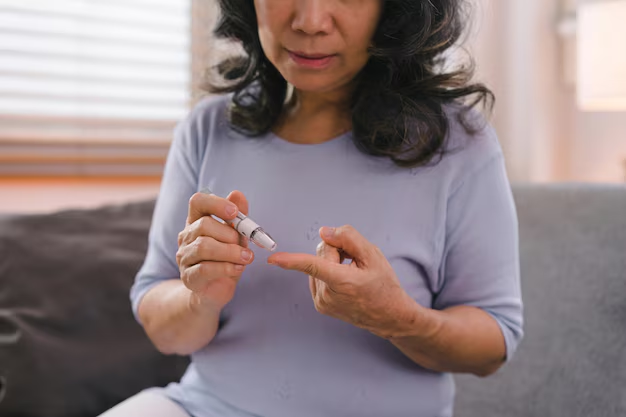
🩺 Unveiling the Secrets: How to Assess Diabetes at Home
Diabetes is a condition that's become increasingly prevalent in today’s society, impacting millions globally. While medical consultations and routine laboratory tests are crucial, there’s a growing interest in monitoring diabetes management from the comfort of one's home. This article aims to illuminate the methods and tools available to check for diabetes at home, adding depth to your understanding and empowering you to manage your health better.
🏠 Understanding Diabetes: The Basics
What is Diabetes?
Diabetes is a chronic condition characterized by high levels of blood glucose (or blood sugar), either because insulin production is inadequate or because the body’s cells do not respond properly to insulin. There are primarily three types of diabetes:
- Type 1 Diabetes: An autoimmune condition where the immune system attacks the insulin-producing cells in the pancreas.
- Type 2 Diabetes: A condition where the body becomes resistant to insulin or doesn’t produce enough.
- Gestational Diabetes: Occurs during pregnancy and usually disappears after giving birth.
The Importance of Monitoring Diabetes
Monitoring blood glucose levels is an essential aspect of diabetes management. Regular checks can help in making informed decisions about diet, exercise, and medication, thus reducing the risk of serious complications like cardiovascular diseases and nerve damage.
🔍 Exploring Tools to Check Diabetes at Home
Glucometers: Your Handy Companion
A glucometer is a small, portable device that allows you to check your blood glucose level. It works by analyzing a small drop of blood, typically obtained by pricking your finger.
- Using a Glucometer:
- Prepare your device: Ensure it's clean and ready for use.
- Wash your hands: This removes any residues that might affect the reading.
- Insert a test strip into the glucometer.
- Prick your finger with a lancet to draw a small amount of blood.
- Place the drop of blood on the test strip.
- Read the result displayed on the glucometer’s screen.
Continuous Glucose Monitors (CGM)
For those looking for more detailed information, a Continuous Glucose Monitor (CGM) provides ongoing insights into blood glucose levels. It involves a small sensor inserted under the skin that reads glucose levels in the interstitial fluid. The data is transmitted to a display device, often a smartphone, showing trends and patterns.
Mobile Apps and Digital Solutions
With advancements in technology, a variety of mobile apps offer diabetes management solutions. These apps can:
- Track blood sugar levels
- Monitor food intake and physical activity
- Provide reminders for medication and insulin
- Generate comprehensive reports for healthcare professionals
🗝️ Effective Home Testing Practices
Establishing a Routine
Developing a regular testing routine is crucial. It helps in:
- Understanding how different foods and activities affect glucose levels
- Timing medication and insulin
- Identifying patterns and potential triggers
Keeping a Health Diary
Recording blood sugar readings, meals, physical activity, and stress levels can provide significant insights over time. This diary can reveal trends, helping in adjusting lifestyle choices more effectively.
Recognizing Symptoms and When to Seek Professional Help
While home testing is invaluable, it's important to recognize symptoms that require professional attention, such as:
- Persistent high blood glucose readings
- Symptoms of hyperglycemia or hypoglycemia
- Unexplained fatigue or confusion
🌟 Summary of Key Practices for Home Diabetes Monitoring
Here's a skimmable breakdown of effective practices for managing diabetes at home 🏠:
- 🩺 Consistent Monitoring: Regularly use a glucometer or CGM to keep track of your blood glucose levels.
- 📅 Set a Routine: Schedule daily tests at consistent times, particularly before and after meals.
- 📖 Keep a Diary: Log readings, meals, activities, and any unusual symptoms.
- 📱 Leverage Technology: Utilize apps for tracking health metrics and setting medication reminders.
- 🚨 Be Alert: Recognize warning signs that necessitate professional intervention.
📚 Broadening Your Understanding: Related Subtopics
Diet and Diabetes
Diet plays a significant role in managing diabetes. Paying attention to carbohydrate intake and choosing low-glycemic index foods can help maintain stable blood sugar levels.
Exercise and Its Impact
Regular physical activity assists in weight management and improves insulin sensitivity, enhancing blood glucose control.
Stress Management
Stress affects blood glucose levels. Techniques like mindfulness, yoga, and regular physical activity can play a crucial role in mitigating stress effects.
🌈 Final Insight: Taking Control, One Step at a Time
Understanding how to check for diabetes at home is more than a simple procedure—it's an empowering step towards comprehensive health management. By incorporating these practices into your daily routine, you can gain better control over your condition, ultimately leading to improved health outcomes. Remember, while home monitoring is instrumental, it complements—rather than replaces—regular professional consultations. Embrace these strategies to make informed decisions, stay engaged with your health, and enhance your quality of life.