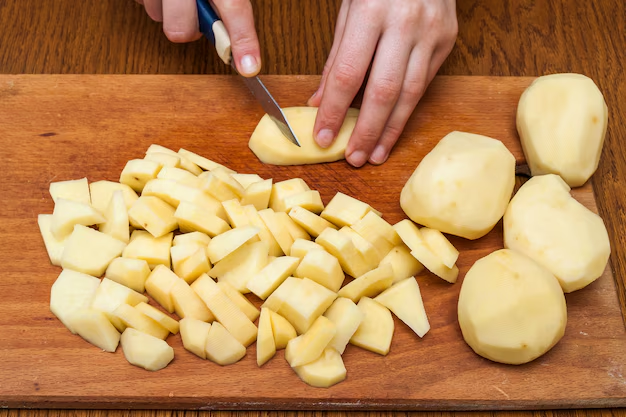
Delicious and Diabetic-Friendly: Cooking Potatoes with Care
Potatoes are a beloved staple in diets worldwide, loved for their versatility and comforting presence at the table. However, for individuals managing diabetes, preparing potatoes requires special attention to ensure that meals are nutritious and blood sugar-friendly. This guide uncovers the key cooking methods and considerations for integrating potatoes into a diabetic diet while keeping them delicious and satisfying.
Understanding Potatoes and Diabetes
The Glycemic Index of Potatoes
The glycemic index (GI) measures how fast a food raises blood sugar levels. Foods high on the GI scale can cause spikes in blood sugar, making them a point of concern for people with diabetes. Potatoes generally have a high glycemic index, but this can vary dramatically based on the type of potato and preparation method.
Potatoes' Nutritional Profile
Despite the GI concerns, potatoes boast several nutritional benefits:
- Rich in Vitamins: Particularly vitamin C and B6.
- Mineral Source: High in potassium, crucial for heart health.
- Fiber Content: Especially when consumed with the skin, which supports digestive health.
Clearly, while potatoes present a potential challenge, they are not without their merits. The key lies in how they are cooked and served.
Healthy Ways to Prepare Potatoes
Steaming and Boiling
Steaming or boiling potatoes are some of the healthiest ways to prepare them. This method maintains their nutrients and can lower the GI compared to frying or baking.
Steps to Steam/Bake Potatoes:
- Wash and Slice: Keep the skin on if possible for added fiber.
- Even Cuts: Ensure even thickness for uniform cooking.
- Gentle Steaming: Use a steamer basket and cook until just tender.
- Season Lightly: Use herbs or a dash of vinegar which can help lower the GI.
Baking with Benefits
Baking is also a healthy option, especially when done at moderate temperatures and served with high-fiber toppings.
Baking Tips:
- Preheat Oven: Set at 400°F for perfectly cooked interiors.
- Oil Sparingly: A light brush of olive oil can enhance flavor.
- Pair Wisely: Top with Greek yogurt or a sprinkle of seeds.
Mashing with Purpose
Mashing can be adapted to fit a diabetic-friendly diet by creatively incorporating other ingredients.
Mashing Strategies:
- Mix with Cauliflower: Incorporates volume and lowers carbs.
- Flavor with Herbs: Dill or chives add flavor without calories.
- Skip Butter: Use a splash of low-fat milk or broth for creaminess.
Choosing the Right Potatoes
Potato varieties can affect the glycemic impact:
Lower GI Potatoes
- Yukon Gold: Creamy texture and naturally lower GI.
- Red Potatoes: Higher fiber content with the skin.
Potatoes to Limit
- Russet Potatoes: Known for a high GI, best eaten in moderation.
Smart Pairings for Balanced Meals
Combining potatoes with other components can moderate blood sugar effects:
Pairing Suggestions
- Lean Proteins: Such as grilled chicken or tofu, cushion the glycemic response.
- Fibrous Vegetables: Leafy greens or broccoli can balance meals.
- Healthy Fats: Avocados or nuts can slow digestion and prolong satiety.
Practical Tips for Diabetic Potato Lovers
To maximize the health benefits while minimizing potential downsides, keep these practical tips in mind:
- Control Portions: Stick to modest servings to watch carbohydrate intake.
- Cook Ahead: Prepare ‘al dente’ and refrigerate to create resistant starch, which lowers the GI.
- Monitor Additions: Beware of high-sugar or high-fat toppings like classic gravies or sour cream.
Embracing Potatoes with Delicious Diabetic-Friendly Recipes
Herb-Infused Potato Salad
Ingredients:
- Baby red potatoes
- Olive oil
- Fresh parsley and dill
- Lemon zest
- Garlic powder
Instructions:
- Boil potatoes till tender, then cool.
- Mix herbs, zest, and seasoning.
- Combine with potatoes for a refreshing salad.
Savory Potato and Cauliflower Mash
Ingredients:
- Yukon Gold or red potatoes
- Cauliflower florets
- Chicken or vegetable broth
- Chives
Instructions:
- Steam cauliflower and potatoes until soft.
- Mash together, adding broth gradually.
- Sprinkle with chives and serve warm.
Key Takeaways for Cooking Potatoes for Diabetics
Here are some quick-fire reminders to ensure your potato-based meals remain as diabetic-friendly as they are delicious:
- 🥗 Choose Low GI Varieties: Opt for Yukon Gold or red potatoes.
- 🍽️ Smart Cooking Methods: Favor steaming, boiling, or baking.
- 🍳 Creative Substitutions: Integrate low-carb vegetables like cauliflower.
- 🥦 Balance with Nutrients: Pair with proteins, veggies, and healthy fats.
- 🥗 Mindful Serving Sizes: Keep portions in check to manage carbs.
Mastering these strategies to prepare potatoes means you can continue to enjoy them in your diet without compromising on flavor or health. As always, individuals managing diabetes should consider personal health goals and consult healthcare providers for personalized dietary advice.