Unlocking the Path to Managing Type 2 Diabetes Effectively
Managing type 2 diabetes can often feel like a daunting journey, full of dietary restrictions, constant monitoring, and lifestyle changes. For many, the question arises: Is there a way to "cure" type 2 diabetes permanently? While the notion of a complete cure remains contentious, understanding the nuances of type 2 diabetes and the potential pathways to remission offers hope and clarity. Let's delve into how lifestyle changes, medical advancements, and holistic understanding can help manage type 2 diabetes effectively.
Understanding Type 2 Diabetes
What is Type 2 Diabetes?
Type 2 diabetes is a chronic condition characterized by insulin resistance, where the body's cells do not respond effectively to insulin. This leads to elevated blood sugar levels. Unlike type 1 diabetes, which is an autoimmune condition, type 2 is often associated with lifestyle factors such as diet, physical inactivity, and obesity.
Causes and Risk Factors
Several factors contribute to the onset of type 2 diabetes. These include:
- Genetic predisposition: Family history can increase risk.
- Sedentary lifestyle: Lack of physical activity can exacerbate insulin resistance.
- Dietary habits: Consuming high-calorie and high-sugar foods.
- Obesity: Particularly abdominal obesity is a significant risk factor.
Symptoms and Diagnosis
Common symptoms include increased thirst, frequent urination, fatigue, and blurred vision. Diagnosis often involves blood tests like the A1C, fasting blood sugar, and oral glucose tolerance test.
Strategies for Managing Diabetes Effectively
While a "cure" for type 2 diabetes may not be universally recognized, achieving remission is possible. This involves maintaining normal blood sugar levels without the need for medication, potentially for extended periods.
Lifestyle Modifications
1. Balanced Diet
Eating a balanced diet is fundamental in managing blood sugar levels. Focus on:
- Whole grains, fruits, and vegetables: These foods provide essential nutrients and fiber.
- Lean proteins: Like fish, chicken, and plant-based proteins.
- Healthy fats: Such as those found in avocado, nuts, and olive oil.
2. Regular Physical Activity
Engaging in regular exercise helps improve insulin sensitivity. Aim for:
- 150 minutes of moderate aerobic activity per week.
- Include strength training exercises to build muscle mass.
3. Weight Management
Maintaining a healthy weight can significantly impact insulin resistance and blood sugar control. This involves:
- Combining dietary adjustments with exercise.
- Setting realistic weight loss goals.
Medical and Surgical Interventions
While lifestyle changes play a pivotal role, some individuals may require medical or surgical interventions to achieve remission.
1. Medication
Medications like metformin help improve insulin sensitivity. However, the goal for some may be to reduce dependency on medication through lifestyle modifications.
2. Bariatric Surgery
Bariatric surgery, while more drastic, has been shown to lead to remission in some individuals. It's often considered for those with obesity when lifestyle changes haven’t sufficed.
Monitoring and Continuous Learning
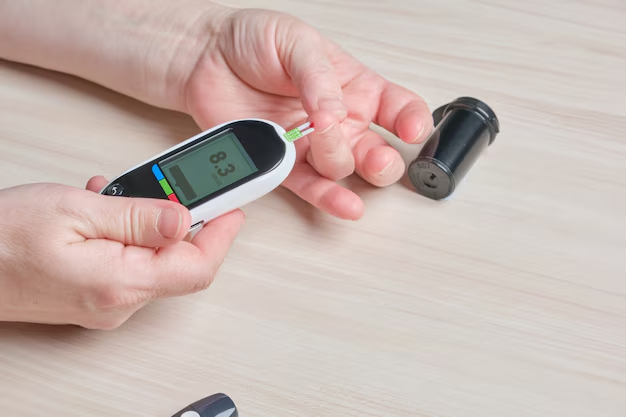
Continuous monitoring of blood sugar levels and other health metrics can aid in managing diabetes effectively. Leveraging:
- Glucometers and continuous glucose monitors (CGMs)
- Regular health check-ups and follow-ups
Delving Deeper into Lifestyle Changes
Nutrition and Meal Planning
Creating a meal plan can seem tedious, but it’s a powerful tool:
- Portion control: Helps in managing calorie intake effortlessly.
- Meal timing: Eating at regular intervals can help stabilize blood sugar levels.
💡 Tip: Use a food diary to track meals and blood glucose responses.
The Role of Stress Management
Chronic stress can adversely affect blood sugar control. Techniques such as:
- Mindfulness and meditation
- Deep-breathing exercises
- Adequate sleep are beneficial.
The Support System
Building a support network can provide the motivation and accountability necessary for lifestyle changes. Consider:
- Joining a diabetes support group.
- Engaging with online communities for shared experiences and tips.
Summary of Practical Steps to Managing Type 2 Diabetes
Here’s a concise list of steps to effectively manage type 2 diabetes and potentially achieve remission:
- 🥗 Prioritize a balanced diet: Focus on whole foods and healthy fats.
- 🏃♂️ Stay active: Aim for at least 150 minutes of exercise each week.
- 🩺 Monitor health metrics: Keep track of blood sugar regularly.
- ⚖️ Maintain a healthy weight: Balance caloric intake with physical activity.
- 🧘♀️ Manage stress effectively: Practice mindfulness or other relaxation techniques.
- 🤝 Build a support network: Connect with others who have similar goals.
A Hopeful Path Forward
While type 2 diabetes can represent a life-long challenge, the possibility of remission offers hope. For many, the journey involves a commitment to healthier living and an embrace of new dietary and lifestyle habits. With ongoing medical developments and a deeper understanding of diabetes management, individuals can lead fulfilling lives with type 2 diabetes well under control. The message is clear: While a cure might be elusive, effective management and even remission are within reach.