Discovering Type 2 Diabetes: Symptoms, Steps, and Prevention
Understanding the telltale signs of type 2 diabetes can make a significant difference in your health journey. This condition, marked by elevated blood sugar levels due to insulin resistance, often creeps in silently. Recognizing its onset is crucial for managing it effectively and preventing complications.
🕵️♀️ Signs You Might Have Type 2 Diabetes
Identifying Type 2 Diabetes early can be tricky since symptoms often develop slowly and can be subtle at first. However, certain signs can tip you off that it’s time to consult with a healthcare provider.
Key Symptoms to Watch For
Increased Thirst and Frequent Urination: This classic pair of symptoms results from excess glucose accumulating in your bloodstream, causing your kidneys to work overtime to filter and absorb the extra sugar. This can make you more thirsty and lead to more frequent trips to the bathroom.
Unexplained Weight Loss: Despite eating normally, your body might break down muscles and fat for energy if it can't access glucose effectively, causing weight loss.
Fatigue: When your cells don't absorb enough glucose, turning food into energy becomes less efficient, making you feel tired.
Blurred Vision: High blood sugar levels can cause your eyes' lenses to swell, impacting your ability to focus.
Slow-Healing Sores or Frequent Infections: Type 2 diabetes can impair your immune system and slow your body’s healing process.
Increased Hunger: You might feel more hungry because your body can’t convert the food you eat into energy effectively.
Tingling or Numbness in Hands or Feet: Known as neuropathy, this symptom is due to nerve damage caused by high blood glucose levels.
Darkened Areas of Skin: These patches, usually found on the neck or armpits, indicate insulin resistance.
When to Seek Medical Advice
While these symptoms can be indicative of Type 2 Diabetes, they can also be signs of other conditions. If you experience several of these symptoms simultaneously, it’s wise to consult a healthcare provider. They can perform tests, such as the A1C test, fasting glucose test, or an oral glucose tolerance test, to confirm a diagnosis.
🩺 Demystifying Risk Factors
Knowing the risk factors can help you assess your likelihood of developing Type 2 Diabetes and inform discussions with your doctor.
Common Risk Factors
- Age: People over 45 are generally more susceptible.
- Weight: Being overweight or obese increases your risk.
- Family History: A family history of diabetes can elevate your risk.
- Lifestyle: Sedentary lifestyle and poor dietary habits contribute significantly.
- Ethnicity: Certain ethnic groups, such as African Americans, Hispanic, Native Americans, and some Asian Americans, are at a higher risk.
- Pre-existing conditions: High blood pressure, low levels of good cholesterol, or high levels of triglycerides can be indicators.
- Polycystic Ovary Syndrome: Known for irregular menstrual cycles, it’s linked with diabetes.
🔍 Diagnosis: What to Expect
If you suspect you might have Type 2 Diabetes, it is important to understand the diagnostic process to prepare for your healthcare visit.
Common Diagnostic Tests
- A1C Test: This test measures your average blood sugar level over the past three months.
- Fasting Blood Sugar Test: Conducted after an overnight fast, it measures your blood sugar level.
- Oral Glucose Tolerance Test: This involves fasting, drinking a sugary solution, and then having your blood sugar levels checked periodically for the next two hours.
These tests help provide a clear picture of your body’s sugar handling and diagnose or rule out diabetes effectively.
🔄 Managing Type 2 Diabetes
Discovering that you have Type 2 Diabetes necessitates lifestyle and dietary changes. These steps can help you manage your condition effectively.
Lifestyle Adjustments
- Dietary Changes: Focus on a diet rich in vegetables, whole grains, and lean proteins while limiting high-sugar and high-fat foods.
- Regular Exercise: Engage in at least 150 minutes of moderate aerobic activity per week, such as brisk walking or cycling.
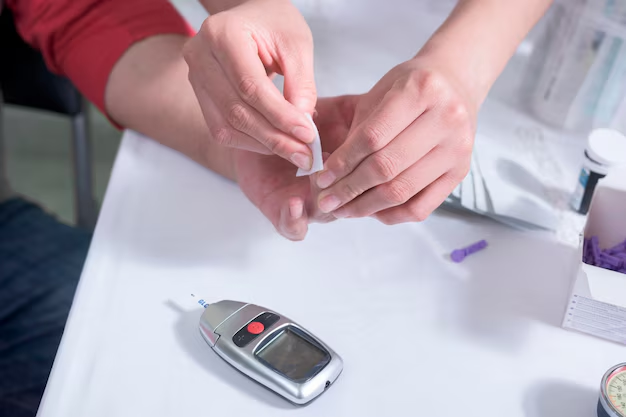
- Monitor Blood Sugar Levels: Keep track of your glucose levels as recommended by your healthcare provider.
- Weight Management: Reducing your body weight, even slightly, can significantly improve your blood sugar control and overall health.
- Medication Management: Your doctor might prescribe oral medications or insulin.
Monitoring and Regular Check-Ups
Frequent check-ups with your healthcare provider are essential to manage your diabetes effectively. This helps track your progress and adjust your treatment plan as necessary.
📝 At-a-Glance: Managing Type 2 Diabetes
- 🍲 Balance Diet: Incorporate more fiber-rich foods and moderate your carbohydrate intake.
- 🚶♀️ Stay Active: Aim for daily physical activities, which help improve insulin sensitivity.
- 📈 Regular Monitoring: Keep an eye on your blood sugar levels.
- 🤝 Professional Guidance: Regular consultations for ongoing assessment and care.
🚫 Preventing Type 2 Diabetes
If you're at risk, there are proactive steps you can take to prevent or delay the onset of Type 2 Diabetes.
Preventive Measures
- Healthy Eating: Prioritize a balanced diet with whole foods and lean proteins.
- Active Lifestyle: Regular physical activity can prevent or delay diabetes by improving insulin sensitivity.
- Weight Management: Maintaining or achieving a healthy weight can significantly reduce your risk.
- Regular Check-ups: Monitoring your health with regular doctor's visits can catch potential problems early.
- Stress Management: Chronic stress can contribute to insulin resistance. Techniques such as meditation or yoga can be helpful.
🔑 Key Takeaways
- 🍽️ Healthy Habits: Cultivating sturdy lifestyle practices can prevent diabetes.
- 📉 Risk Reduction: Understand and mitigate your personal risk factors.
- 🧘♀️ Balanced Life: Manage stress levels for improved health outcomes.
The Path Forward
Type 2 Diabetes is a manageable condition with proactive measures and careful management. Understanding the symptoms, risk factors, and preventive actions empowers you to take control of your health.
Whether you're noticing symptoms or merely understanding your risks, staying informed and consulting healthcare providers is paramount. Adopting a comprehensive strategy that includes mindful eating, regular physical activity, and routine medical check-ups can make a significant difference.
Remember, knowledge is power—and in the case of Type 2 Diabetes, informed actions can pave the way to a healthier life.