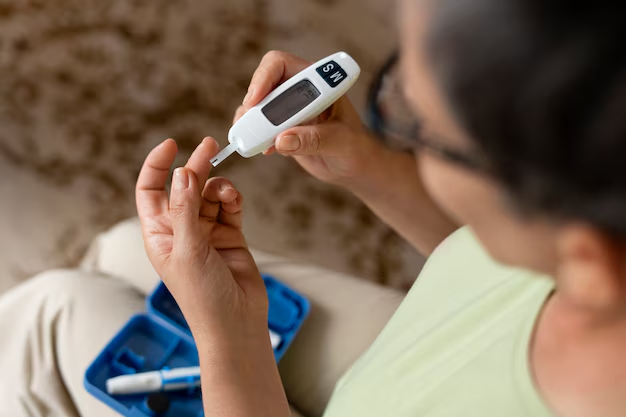
Recognizing Diabetes: How to Identify the Signs and Understand Your Risk
Feeling fatigue, thirstier than usual, or noticing unexpected weight loss? These could be signs pointing to diabetes, a condition where your body struggles to regulate blood sugar. Understanding these symptoms early can provide critical insights into your health and help you take proactive steps.
Understanding Diabetes
Diabetes is a chronic condition that affects how your body turns food into energy. The majority of the food you consume is broken down into a sugar called glucose, which is released into your bloodstream. When your blood sugar goes up, it triggers your pancreas to release insulin. Insulin acts like a key to let the blood sugar into your body’s cells for use as energy.
However, with diabetes, your body either doesn’t make enough insulin or can’t use it as well as it should. When there isn’t enough insulin or cells stop responding to insulin, too much blood sugar stays in your bloodstream, leading to serious health issues over time.
Types of Diabetes
Type 1 Diabetes: An autoimmune condition where the body attacks insulin-producing cells in the pancreas.
Type 2 Diabetes: A condition that affects how the body processes blood sugar. It's often tied to lifestyle factors and is more common in adults.
Gestational Diabetes: Develops during pregnancy and usually disappears after giving birth, but may increase the risk of developing type 2 diabetes later.
Common Symptoms of Diabetes
Knowing the common signs of diabetes can help you recognize it early:
Increased Thirst and Hunger
Experiencing an unusual level of thirst or hunger is a hallmark of diabetes. Your body seeks to replenish fluids lost through frequent urination, often an attempt to expel excess glucose.
Frequent Urination
Increased urination, especially at night, could indicate your body’s effort to rid itself of unused glucose.
Fatigue
Feeling constantly tired is another signal. Your body may not be effectively converting glucose into energy, making you feel lethargic.
Blurred Vision
High levels of blood sugar can pull fluid from tissues, including the lenses of your eyes, affecting vision.
Unexplained Weight Loss
Despite eating more due to hunger, a rapid decrease in weight may occur as the body starts using fat and muscle for energy when it can’t access glucose.
Complications of Untreated Diabetes
If left unaddressed, diabetes can lead to serious health issues, highlighting the importance of early recognition and management.
Cardiovascular Issues
Elevated blood sugar can increase the risk of heart disease and strokes.
Nerve Damage
High sugar levels can injure nerve fibers throughout your body, leading to various complications such as neuropathy.
Kidney Damage
Kidney damage is another risk since the organs work hard to filter excess glucose from your blood.
Diagnostic Tests for Diabetes
If you notice potential symptoms, a healthcare professional may suggest specific tests for a proper diagnosis.
Fasting Blood Sugar Test
This measures your blood sugar after not eating overnight. Elevated levels indicate diabetes.
A1C Test
This test reflects your average blood sugar levels over the past two to three months. An A1C level of 6.5% or higher suggests diabetes.
Oral Glucose Tolerance Test
After fasting, you'll drink a sugary solution; your blood sugar levels are checked over a few hours. This tests your body’s insulin response.
Risk Factors for Diabetes
Understanding risk factors can help you assess your likelihood of developing diabetes.
Family History
A family history of diabetes increases your risk.
Weight
Being overweight or obese is a significant risk factor, especially for type 2 diabetes.
Age
The risk increases with age, particularly after 45.
Lifestyle and Physical Activity
A sedentary lifestyle and poor diet high in sugar and fat can contribute to developing diabetes.
Strategies for Risk Reduction
Even if at risk, lifestyle changes can significantly delay or prevent diabetes.
Healthy Eating
Focus on a balanced diet rich in fruits, vegetables, lean proteins, and whole grains. Limit processed foods and sugary beverages.
Regular Exercise
Aim for at least 150 minutes of moderate exercise weekly. Physical activity helps regulate blood sugar levels.
Maintain a Healthy Weight
Achieving a healthy weight can significantly reduce the risk of type 2 diabetes.
Regular Screening
Routine health checks help catch any irregularities early, allowing for prompt management.
Summary of Key Points 📝
- Recognize: Unusual thirst, frequent urination, fatigue, and blurred vision could signal diabetes.
- Test: Consult a healthcare professional for tests like Fasting Blood Sugar or A1C.
- Risk Factors: Family history, weight, age, lifestyle, and inactivity are significant risk contributors.
- Actively Prevent: Healthy eating, regular exercise, and maintaining a healthy weight are crucial.
Taking Action
Be proactive in your health management. Recognizing the symptoms and understanding risk factors empowers you to take control. Remember that lifestyle changes can prevent or manage diabetes effectively, leading to a healthier, more fulfilling life.
When in doubt, reach out to healthcare professionals who can guide you in managing and minimizing your risk. Understanding diabetes and its impacts can lead to informed decisions about your health journey.