Mastering Your Diabetes Management: A Holistic Guide for Effective Control
Managing diabetes is a journey that requires diligence, understanding, and adaptation. Whether you're newly diagnosed or have been living with diabetes for years, keeping it under control is crucial for overall well-being. In this guide, we’ll explore practical and comprehensive strategies for managing diabetes effectively, focusing on lifestyle changes, monitoring techniques, and supportive tools that empower individuals in their diabetes journey.
🌟 Understanding Diabetes: A Quick Overview
Before delving into management techniques, it's essential to comprehend what diabetes is. Diabetes is a chronic condition that affects how your body turns food into energy. The main types are:
- Type 1 Diabetes: Often diagnosed in children and young adults, this type is an autoimmune condition where the body attacks insulin-producing cells.
- Type 2 Diabetes: More common in adults, Type 2 diabetes is largely lifestyle-induced and is characterized by the body’s ineffective use of insulin.
- Gestational Diabetes: Occurs during pregnancy and usually disappears after giving birth but increases the risk of developing Type 2 diabetes later.
📊 Monitoring Blood Sugar Levels
Central to managing diabetes is consistently monitoring your blood glucose levels. This practice helps in tweaking lifestyle choices to maintain healthy sugar levels.
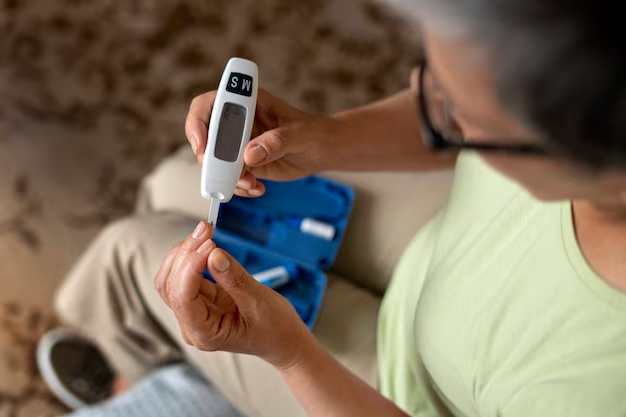
- Self-Monitoring: Regular use of a glucose meter provides instant feedback on blood sugar levels. It's essential for spotting patterns and identifying what affects blood sugar.
- Continuous Glucose Monitors (CGM): These devices provide real-time data by measuring glucose levels every few minutes through a sensor placed under the skin. CGMs offer a comprehensive view and can alert users to highs and lows.
Pro Tip: Keep a log of your readings to track trends over time. Tools like apps or traditional journals can be used to note these levels along with lifestyle details to identify patterns.
🍏 Nutrition: The Backbone of Diabetes Management
A balanced diet plays a pivotal role in diabetes management. The goal is to manage blood sugar levels while maintaining a healthy weight.
Carbohydrate Counting
Understanding carbohydrates is crucial as they impact blood sugar more than proteins or fats. Carb counting helps determine the amount of insulin needed and manage post-meal blood sugar spikes.
Key Points:
- Learn about different carbs: complex carbs (like whole grains) break down slower than simple ones (like sugar).
- Incorporate portion control to prevent over-consumption.
Balanced Meal Planning
Creating a meal plan that considers your preferences while managing diabetes can be straightforward with these strategies:
- The Plate Method: Visualize your plate where half comprises non-starchy vegetables, a quarter for protein, and the last quarter for carbs.
- Glycemic Index (GI): Choose low-GI foods that keep your blood sugar levels stable.
Hydration and Alcohol
- Stay Hydrated: Proper hydration supports metabolic processes and can help manage hunger. Water is the ideal choice.
- Alcohol Consumption: If you consume alcohol, do so in moderation and with food to prevent blood sugar fluctuations.
🏃♂️ Physical Activity: Key to Better Control
Incorporating regular physical activity helps lower blood sugar and boosts insulin sensitivity. Find an activity that you enjoy to make it a sustainable part of your lifestyle.
Types of Exercise
- Aerobic Exercise: Activities like walking, cycling, or swimming for at least 150 minutes per week.
- Strength Training: Helps build muscle and manage weight.
- Flexibility and Balance: Incorporate stretching, yoga, or tai chi for a well-rounded routine.
Tip: Always consider safe practices by monitoring sugar levels before and after activities. Keep fast-acting carbs handy in case of low blood sugar episodes.
📚 Stress and Sleep: Often Overlooked Yet Vital
Managing stress and getting adequate sleep are critical yet frequently neglected components of diabetes management.
Stress Management
Stress can impact blood sugar levels. Employ stress-reduction techniques like:
- Mindfulness and Meditation: Regular practice can help reduce stress levels and improve psychological well-being.
- Physical Activity: Double as a stress reliever and form of diabetes management.
Prioritizing Sleep
Quality sleep supports hormone regulation, including insulin sensitivity.
- Aim for consistent sleep patterns by maintaining a regular bedtime routine.
- Address sleep issues like sleep apnea, which can interfere with diabetes management.
🤝 Building a Support System
Navigating diabetes is smoother with support. Whether it's professional guidance or peer encouragement, having a system in place can make a significant difference.
Healthcare Team
- Work with healthcare professionals like endocrinologists, dietitians, and diabetes educators who provide personalized management plans.
Peer Support
- Consider joining diabetes support groups to share experiences and tips with others who understand your journey.
Family and Friends
- Educate your close ones about diabetes so they can provide emotional and practical support when needed.
📈 Technology and Tools for Diabetes Management
Technology is an asset in diabetes management. Leverage the available tools to stay on top of your condition.
Mobile Apps
Numerous apps are designed for tracking food intake, monitoring blood glucose, and staying educated on diabetes care.
Wearable Technology
Devices like smartwatches can integrate with health apps to monitor activity levels, heart rate, and even sync with glucose monitors for comprehensive data analysis.
📝 Visual Summary: Key Takeaways
Here’s a quick summary of the core components to master diabetes management:
| Component | Strategy/Tip |
|---|---|
| Nutrition | Count carbohydrates, plan balanced meals, choose low-GI foods. |
| Monitoring | Regularly use glucose meters and consider CGMs. |
| Physical Activity | Engage in regular aerobic and strength exercises. |
| Stress & Sleep | Practice mindfulness, ensure 7-9 hours of quality sleep. |
| Support System | Build a healthcare team, join support groups, educate family. |
| Technology | Utilize apps and wearable devices for data tracking. |
🚀 Empowering Yourself in Managing Diabetes
Embarking on this journey of managing diabetes may seem daunting, but with knowledge and structured plans, it becomes manageable. Each step, from mindful eating to consistent monitoring, plays a vital role in enhancing life quality and establishing a balance.
Remember, effective management isn't about perfection but progress. Celebrate small victories, and continually seek strategies that work best for you.