Understanding Your Diabetes: How to Measure Your Blood Sugar Levels
Living with diabetes involves a delicate balance of lifestyle, medication, and monitoring to ensure well-being. If you're trying to keep your blood sugar levels in check, understanding how to measure them is an essential skill. So, let's delve into the various methods and nuances of measuring diabetes levels, creating a roadmap to empower your management journey.
The Essentials of Blood Sugar Monitoring
Blood sugar monitoring is the cornerstone of diabetes management. It involves regularly checking glucose levels in the blood to ensure they remain within a target range. This routine is crucial because it helps prevent complications associated with diabetes, allowing for timely adjustments in lifestyle or treatment.
Why Monitoring Matters
Regular blood sugar monitoring enables you to:
- Detect Highs and Lows: Recognize hyperglycemia (high blood sugar) and hypoglycemia (low blood sugar) quickly, and take action.
- Tailor Your Treatment: Adjust your meal plans, medication, and exercise based on glucose levels.
- Prevent Long-term Complications: Maintain good control over time to lower the risk of complications like neuropathy, kidney disease, or heart issues.
Tools for Measuring Blood Sugar
There are various tools available for measuring blood sugar, each with its benefits and considerations. Here's a closer look at the most common methods:
Glucometer: The Standard Device
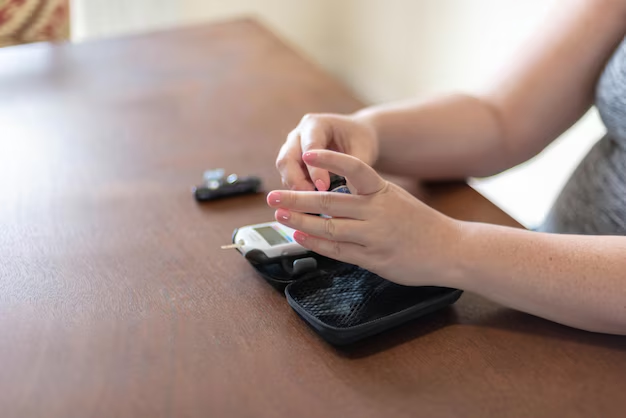
Glucometers are compact, portable devices that provide quick blood sugar readings. They are widely used due to their ease of use and reliability.
- How it Works: Insert a small test strip into the glucometer, prick your finger with a lancet, and place a drop of blood on the strip. The glucometer then displays your blood sugar level within seconds.
- Pros: Convenient, affordable, quick results.
- Cons: Requires regular calibration and maintenance, needs test strips, may cause finger discomfort.
Continuous Glucose Monitor (CGM)
A Continuous Glucose Monitor (CGM) is a more advanced option that provides real-time glucose readings throughout the day and night.
- How it Works: A small sensor is inserted under the skin to measure glucose levels in the interstitial fluid. The sensor sends data to a receiver or smartphone app.
- Pros: Tracks trends over time, reduces the frequency of finger pricks, provides alerts for highs and lows.
- Cons: Higher cost, requires sensor replacements, potential for skin irritation.
Flash Glucose Monitoring
Flash Glucose Monitoring is similar to CGM but has its unique features.
- How it Works: A sensor worn on the skin scans glucose levels when scanned with a reader device.
- Pros: Minimally invasive, allows for on-demand readings.
- Cons: Requires the additional step of scanning to get results, doesn't provide continuous updates without scanning.
Creating a Personal Monitoring Plan
Effectively managing diabetes requires a personalized monitoring plan that fits your lifestyle and healthcare goals. Consider these steps when crafting your plan:
Frequency of Monitoring
The frequency of monitoring depends on individual needs and type of diabetes.
- Type 1 Diabetes: Often requires multiple daily checks to manage insulin therapy effectively.
- Type 2 Diabetes: Monitoring frequency may vary. Some might need daily checks, while others may monitor more sporadically based on treatment and glycemic control.
- Gestational Diabetes: Typically requires more frequent checks due to pregnancy-related sensitivity.
Interpreting Your Results
Understanding what your readings mean is crucial to making informed decisions:
- Know Your Target Range: Your healthcare provider will set a target range based on personal factors. Stay informed about what numbers are considered high, low, or normal for you.
- Identify Trends: Notice patterns over time to predict highs or lows. For example, identifying if certain meals or activities lead to spikes.
- Respond Accordingly: Depending on your level, you might need to eat, rest, exercise, or take medication.
Tracking and Recording Data
Consistent tracking can help you and your healthcare provider understand your diabetes better:
- Logbook or App: Use tools like a traditional paper logbook or digital apps to track your blood sugar readings.
- Share Data with Professionals: Regularly share your readings and trends with your healthcare provider to optimize your diabetes management plan.
Going Beyond Glucose: Additional Tests
Measuring blood sugar is essential, but it's not the only aspect of diabetes care. Consider these additional tests to obtain a comprehensive view of your diabetes health.
A1C Test
The A1C test measures average blood glucose levels over the past two to three months, offering a long-term perspective:
- Importance: Helps gauge your overall control strategy effectiveness.
- Target Levels: Discuss with your healthcare provider to determine your target A1C level.
Ketone Testing
For individuals with type 1 diabetes, especially during illness or high blood sugar episodes, testing for ketones might be necessary:
- Method: Urine strips are commonly used. Higher levels of ketones may indicate diabetic ketoacidosis, a serious complication.
Navigating the World of Diabetes Self-Care
Managing diabetes isn't just about numbers; it's about nurturing a holistic approach to health:
Balancing Nutrition
Nutrition plays a vital role in maintaining balanced blood sugar levels:
- Controlled Carbohydrates: Understand how different carbohydrates affect your glucose levels and adapt your intake accordingly.
- Meal Timing: Synchronize meals with your medication or insulin schedule to prevent spikes or dips.
Exercising Smartly
Exercise lowers blood glucose, but the type and timing matter:
- Consistency: Aim for regular physical activity, a key component of diabetes management.
- Precautions: Monitor glucose levels before, during, and after exercise; adjust carbohydrate intake or insulin as needed.
Mindful Living
Stress and diabetes are interlinked, making stress management crucial:
- Mindfulness and Relaxation: Techniques such as meditation or yoga can help reduce stress, benefiting glucose control.
Summary of Key Points 📝
Here's a quick glance at essential takeaways for managing and measuring blood glucose levels:
- Choose the Right Tool 🛠️: Decide between a glucometer, CGM, or flash monitor based on needs and lifestyle.
- Regular Monitoring 🕒: Determine the right frequency for checking glucose levels.
- Track and Analyze Trends 📊: Use a logbook or app to spot patterns and plan accordingly.
- Comprehensive Testing 🔍: Consider additional tests, like A1C and ketone tests, for broader insight.
- Holistic Health Approach 🧘♂️: Balance diet, exercise, and mental health for overall well-being.
Empower yourself with knowledge and tools, making diabetes management a proactive, informed journey. Remember, consistent monitoring combined with a healthy lifestyle is key to maintaining control and enhancing your quality of life.