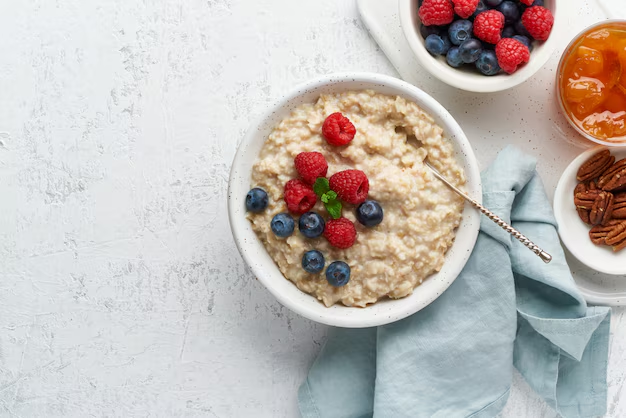
Delicious and Nutritious: Oatmeal Ideas for Diabetic Patients
Oats have long enjoyed the spotlight as a nutritional powerhouse, revered for their hearty texture, delightful taste, and remarkable versatility. But what makes oats particularly intriguing is their potential to benefit individuals with diabetes. Curious about how this humble grain can be transformed into a diabetes-friendly dish? Let's explore some creative and health-conscious ways to prepare oats specifically tailored for diabetic patients.
Understanding the Nutritional Benefits of Oats
Why Oats? Oats are rich in soluble fiber, particularly beta-glucan, which can help reduce cholesterol levels and improve heart health—a significant consideration for those managing diabetes. The low glycemic index (GI) of oats means they digest slowly, leading to a gradual rise in blood sugar levels, unlike high GI foods that cause spikes.
Moreover, oats are packed with essential vitamins and minerals, including magnesium, iron, and zinc, which are crucial for overall well-being. The combination of fiber, vitamins, and minerals makes oats a beneficial choice for individuals looking to manage their blood sugar levels effectively.
Types of Oats and Their Benefits
Before diving into recipes, it's important to understand the different types of oats available:
- Steel-Cut Oats: These are whole oat groats chopped into pieces, resulting in a chewy texture. They're less processed and have a slightly lower GI compared to other oats.
- Rolled Oats: Also known as old-fashioned oats, these are steamed and flattened. They cook faster than steel-cut oats but retain a great deal of their nutritional properties.
- Instant Oats: These are pre-cooked and dried, then rolled and pressed thinner than rolled oats. While convenient, they usually have a higher GI due to processing.
- Oat Bran: This is the outer layer of the oat groat and is rich in fiber.
For diabetic patients, steel-cut oats or rolled oats are often recommended over instant oats due to their slower digestion rate, which helps manage blood sugar levels more effectively.
Preparing Oats the Diabetes-Friendly Way
Simple and Nutrient-Dense Oatmeal Recipes
Transitioning to a diet that supports diabetes management doesn't mean sacrificing flavor. Here are some exciting oatmeal recipes to try:
1. Classic Cinnamon Spice Oatmeal
Ingredients:
- 1 cup steel-cut or rolled oats
- 2 cups water or unsweetened almond milk
- 1 teaspoon cinnamon
- Handful of nuts (almonds or walnuts)
- Fresh berries (such as blueberries or raspberries)
Preparation:
- In a pot, bring the water or almond milk to a boil.
- Add oats and reduce the heat to simmer, stirring occasionally.
- Cook until the oats are tender (about 25-30 minutes for steel-cut, 10-15 minutes for rolled oats).
- Stir in cinnamon and top with nuts and berries before serving.
💡 Tip: Cinnamon not only enhances flavor but is also believed to help stabilize blood sugar levels.
2. Savory Spinach and Cheese Oats
Ingredients:
- 1 cup rolled oats
- 2 cups vegetable broth
- 1 cup fresh spinach, chopped
- ¼ cup low-fat cheese (such as feta or Parmesan)
- Black pepper to taste
Preparation:
- In a saucepan, combine oats and vegetable broth. Bring to a boil.
- Lower the heat and let simmer until oats are cooked through.
- Stir in spinach and cheese, cooking until the spinach wilts.
- Season with black pepper and serve warm.
💡 Tip: For added protein, top with a poached egg.
3. Creamy Vanilla Almond Overnight Oats
Ingredients:
- ½ cup rolled oats
- 1 cup unsweetened almond milk
- 1 teaspoon vanilla extract
- Handful of sliced almonds
- Optional: pinch of salt and stevia for sweetness
Preparation:
- Combine oats, almond milk, vanilla extract, and optional ingredients in a bowl.
- Cover and refrigerate overnight.
- In the morning, stir and top with sliced almonds before serving.
💡 Tip: Perfect for a quick breakfast; the creamy texture is a delightful way to start the day.
Incorporating Oats into a Balanced Diabetes Diet
Understanding Portion Control and Timing
Portion control is key. While oats are healthy, eating large quantities can still impact blood glucose levels. A balanced serving size is generally around ½ to 1 cup of cooked oats. Individual needs may vary, so consulting with a healthcare provider for personalized guidance is advised.
Timing can also impact blood sugar management. Consuming oats as part of a balanced breakfast, paired with protein (like yogurt or a hard-boiled egg) and healthy fats (such as avocado or nuts), can provide sustained energy throughout the morning.
Complementary Foods for Enhanced Nutritional Value
Adding variety and balance to your oatmeal can increase its nutritional value and enhance flavor. Consider these additions:
- Nuts and seeds: Rich in healthy fats and proteins, they can help stabilize blood sugar.
- Fruits: Fresh, low-GI fruits like berries, apples, or peaches add natural sweetness and antioxidants.
- Spices: Beyond cinnamon, spices like nutmeg, ginger, or cardamom can infuse your oats with incredible flavor.
A Visual Guide to Oatmeal Preparations
📌 Quick Tips for Preparing Diabetes-Friendly Oatmeal:
- Choose Wisely: Opt for steel-cut or rolled oats.
- Mind Your Portions: Stick to a ½ to 1 cup serving.
- Protein Pairing: Add nuts, seeds, or eggs for balanced meals.
- Spice it Up: Use cinnamon or other spices for flavor and health benefits.
- Fruit Additions: Incorporate low-GI fruits for natural sweetness.
- Healthy Fats: Use nuts, seeds, or avocado to keep you satisfied longer.
Practical Takeaways for a Healthier Lifestyle
Cooking Methods and Tips
Experiment with different cooking methods: stovetop, microwave, or slow cooker. Each method imparts a unique texture and leaves plenty of room for creativity.
For those with a busy schedule, batch cooking oats and storing them in the refrigerator can offer quick, nutritious meals during hectic mornings.
Debunking Myths About Oats and Diabetes
Many people misunderstand the benefits of oats when it comes to diabetes. While oats contain carbohydrates, their benefits—due to their low GI and high fiber content—make them an excellent inclusion in many diabetes management plans.
Finally, always remember the importance of personalization. Every individual's response to food can vary, so continual monitoring and adjusting based on blood glucose response are crucial aspects of diabetes management.
Whether you're looking to enhance your breakfast routine or experiment with nutritious meals, oats present a versatile ingredient cherished for their heath benefits and culinary adaptability. By approaching oats thoughtfully, you can craft dishes that not only delight the taste buds but also support a balanced lifestyle aimed at managing diabetes effectively. So go ahead, embrace the richness of oats and embark on a culinary journey that's as satisfying as it is nourishing.
Through understanding and preparation, oats can seamlessly fit into a healthy lifestyle that embraces the nutritional requirements of diabetic care. By harnessing the power of this whole grain, diabetic patients can create delightful, balanced, and beneficial meals.