Can Diabetics Enjoy Beer? What You Need to Know 🍺
When it comes to diabetes, navigating the world of food and drink can be tricky. For many, a cold beer is a staple of social gatherings and personal relaxation time. But what does that mean for those managing diabetes? Is beer an indulgence that diabetics should avoid, or can it be enjoyed in moderation?
Understanding Diabetes and Alcohol
What is Diabetes?
Diabetes is a chronic condition characterized by the body's inability to effectively process glucose, leading to elevated blood sugar levels. There are two main types of diabetes: Type 1 and Type 2. Managing this condition often involves a careful balance of diet, exercise, and medication.
How Alcohol Affects Blood Sugar 🩸
Alcohol can have various effects on blood sugar levels depending on the type, quantity, and the individual's metabolic rate. In the short term, moderate alcohol consumption might cause a temporary increase in blood sugar. However, heavy drinking can lead to decreased blood sugar levels, which poses the risk of hypoglycemia, especially for those using insulin or certain diabetes medications.
The Nutritional Profile of Beer
What’s in Your Pint?
A standard beer contains carbohydrates, alcohol, and sometimes additional sugars, all contributing to its caloric content. Carbohydrates in beer are primarily responsible for potential blood sugar spikes. However, the alcohol content can also slow down liver responses to low blood sugar levels.
Carbs and Calories in Beer
- Light beers: Usually lower in carbs and calories, making them a more favorable option for those monitoring their intake.
- Regular beers: These often contain more carbs and calories, potentially affecting blood sugar control.
It's essential to check the nutritional label or look up the carbohydrate content of beer to make informed choices.
Beer and Diabetes: Potential Risks and Considerations
Blood Sugar Management Challenges
For diabetics, maintaining stable blood sugar is crucial. Here's how beer can disrupt this balance:
- Hypoglycemia Risk: Alcohol can lower blood sugar levels, especially when consumed without food. This risk is compounded if you're taking insulin or sulfonylureas.
- Delayed Effects: Beer can cause delayed blood sugar drops, making monitoring more challenging.
- Caloric Content: The calories in beer can lead to weight gain if not accounted for, which is a risk factor for worsening Type 2 diabetes.
Other Health Considerations
Alcohol can interact with diabetes medications, so always consult with a healthcare provider about your alcohol consumption. Additionally, high intake might lead to other health issues like liver disease or cardiovascular complications.
Moderation and Mindful Consumption
Tips for Enjoying Beer Responsibly 🍻
- Consider Low-Carb Options: Opt for light beers or those labeled as "low carb."
- Pair with Food: Eating a balanced meal that includes protein, fiber, and healthy fats before drinking can mitigate blood sugar spikes.
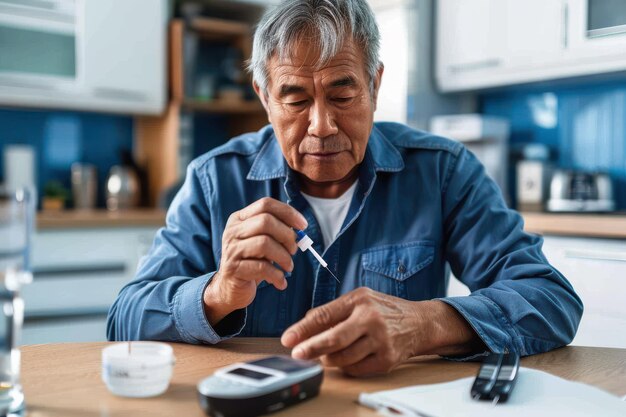
- Monitor Blood Sugar Levels: Check your levels before and after drinking to understand how your body reacts.
- Stay Hydrated: Drinking water between alcoholic beverages can help reduce consumption and prevent dehydration.
- Limit Quantity: Stick to recommended guidelines for alcohol consumption, typically one drink per day for women and two for men.
Practical Tips for Social Situations
- Plan Ahead: If attending an event where beer is served, plan your meals and activities to accommodate some alcohol consumption.
- Communicate: Let a friend or family member know if you're drinking; they should be aware of the signs of hypoglycemia.
Exploring Non-Alcoholic Alternatives
Benefits of Non-Alcoholic Beers
Non-alcoholic beers can be a good alternative for those looking to enjoy the flavor without the alcohol. They generally contain fewer carbs and are less likely to cause hypoglycemia.
Beyond Beer: Other Options
- Mocktails: Customizable to include low-sugar ingredients.
- Infused Water: Keeps you hydrated and can be flavored naturally.
Key Takeaways on Beer and Diabetes 📝
- Moderation is Key: Consuming beer can be part of a diabetic lifestyle if done in moderation and with careful planning.
- Monitor Blood Sugar: Regular monitoring helps you understand your body’s reaction to beer.
- Choose Wisely: Opt for low-carb or non-alcoholic options where possible.
- Stay Informed: Educate yourself on how different types of beer affect your blood sugar levels.
Summary: Drinking Beer with Diabetes - Practical Tips 🍺💡
- 🍻 Opt for light or low-carb beers: These have fewer carbs and calories.
- 🥗 Pair beer with food: Balances blood sugar levels.
- 📈 Monitor your blood sugar: Check before and after drinking.
- 🚰 Stay hydrated: Sip water between alcoholic drinks.
- 📏 Keep it moderate: Follow recommended guidelines to reduce risks.
While beer isn't off-limits for diabetics, it requires thoughtful consideration and moderation. By understanding the impact on blood sugar and implementing mindful drinking habits, many can enjoy beer responsibly within their dietary lifestyle. Always prioritize personal health needs and consult healthcare professionals when unsure.