Cabbage and Diabetes: A Leafy Ally for Better Health?
Imagine a leafy green that's low in calories, high in nutrients, and versatile enough to fit into almost any meal plan — welcome to the world of cabbage! With diabetes on the rise globally, many people are seeking ways to manage their condition naturally and incorporate more beneficial foods into their diet. Is cabbage a good choice for diabetics? Let’s dive into this humble vegetable's potential benefits and see how it fits into a diabetes-friendly diet.
🥬 The Nutritional Profile of Cabbage
Cabbage, a member of the cruciferous vegetable family, is packed with nutrients that make it an excellent addition for anyone looking to maintain a healthy diet — including those managing diabetes. Here's why:
- Low Glycemic Index: The glycemic index (GI) is often used as a measure of how quickly carbohydrates in food raise blood glucose levels. Cabbage has a low GI, meaning it has a minor impact on blood sugar levels.
- Rich in Fiber: One major advantage of cabbage is its high fiber content. Fiber can slow the absorption of sugar, potentially helping to manage blood sugar levels.
- Vitamins and Minerals: Cabbage is a good source of vitamins C and K, folate, and minerals like calcium and potassium, which support overall health and bodily functions.
🌿 How Cabbage Supports Blood Sugar Management
For diabetics, managing blood sugar levels is crucial. Including cabbage in the diet can potentially aid in maintaining stable blood sugar through several mechanisms:
The Role of Fiber
Dietary fiber is a friend to those managing diabetes. It plays a key role in slowing down the digestion and absorption of carbohydrates, which may help maintain more stable post-meal blood sugar levels. Regular intake of high-fiber vegetables like cabbage could assist in keeping your glucose levels in check over time.
Antioxidative Powerhouses
Cabbage is packed with antioxidants, which may help in reducing oxidative stress. For people with diabetes, oxidative stress can lead to several complications, so foods high in antioxidants can be particularly beneficial.
Potential Anti-inflammatory Properties
Certain compounds in cabbage, such as polyphenols, might reduce inflammation. Chronic inflammation is often linked to diabetes and its complications, so reducing inflammation through diet can be a positive step.
🥗 Incorporating Cabbage into a Diabetic Meal Plan
Adding cabbage to your meals is both culinary and nutritionally rewarding. Here are some tips:
- Salads and Slaws: Shredded cabbage can add a crunchy texture and a nutrition boost to salads and slaws.
- Soups and Stews: Cabbage can be a hearty addition to soups and stews, infusing meals with flavor while keeping them light.
- Stir-Fries: Quick cabbage stir-fries with lean meats or tofu can make for an easy and satisfying meal.
- Fermented Foods: Sauerkraut and kimchi are fermented cabbage products that come with probiotics, which may benefit gut health.
🥬 Cabbage Varieties and Their Unique Benefits
Cabbage is not just limited to the common green variety. Different types bring their own flavor profiles and potential benefits:
- Red Cabbage: Contains anthocyanins, which are known for their antioxidant properties.
- Savoy Cabbage: Known for its milder taste and tender leaves, it’s excellent in wraps and as a cooked vegetable.
- Napa Cabbage: Often used in Asian dishes, it’s great for adding texture to stir-fries and soups.
🛒 Practical Tips for Selecting and Storing Cabbage
Making the most of cabbage requires choosing and preserving it correctly:
- When Buying: Look for firm, dense heads of cabbage with crisp, well-colored leaves.
- Storing: Keep cabbage refrigerated in a plastic bag to maintain freshness. It can last up to two weeks when stored properly.
- Preparation: Rinse thoroughly before use to remove any dirt or contaminants from the outer leaves.
🥗 Sample Meal Plan for Diabetics Featuring Cabbage
To illustrate how you might incorporate cabbage into your day, here’s a simple meal plan:
- Breakfast: Egg white omelet with sautéed Savoy cabbage and spinach
- Lunch: Grilled chicken wrap using Napa cabbage leaves instead of bread
- Dinner: Beef stew with carrots, onions, and chunks of green cabbage, served with a side of red cabbage slaw
🌟 Key Takeaways
Before we wrap things up, here’s a quick summary of why cabbage can be a beneficial addition to a diabetic diet:
- Low Glycemic Impact: Minimal effect on blood sugar levels.
- High in Fiber: Slows the digestion and absorption of sugars.
- Nutrient-Rich: Offers essential vitamins and minerals.
- Antioxidant Properties: May support overall health and reduce oxidative stress.
- Versatile in Meals: Adaptable to various cooking styles and recipes.
🌿 Beyond Cabbage: Other Diabetes-Friendly Vegetables
While cabbage is a fantastic choice, don't forget about these other diabetes-friendly options:
- Spinach: High in vitamins and low in carbohydrates.
- Broccoli: Rich in fiber and various essential nutrients.
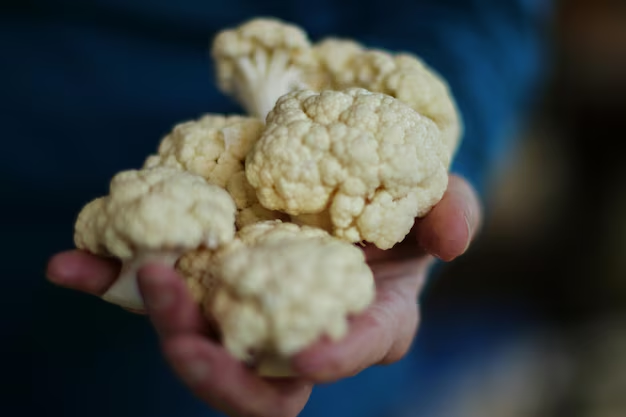
- Cauliflower: Provides a low-carb alternative to starches like potatoes.
🚀 A Healthier Path Forward with Cabbage
Incorporating cabbage into your diet can offer several health benefits, particularly for those managing diabetes. Its low glycemic index, rich vitamin and mineral content, and versatility make it a noteworthy component of a balanced meal plan. Always consider variety and balance in your diet and tailor your food choices to meet your individual health needs.
Remember, while dietary changes can greatly impact health, they should complement, not replace, professional medical advice. Always consult with a healthcare professional before making significant changes to your diet, especially if you have underlying health conditions. Enjoy discovering new cabbage recipes and exploring all the heartiness this vegetable can bring to your table!