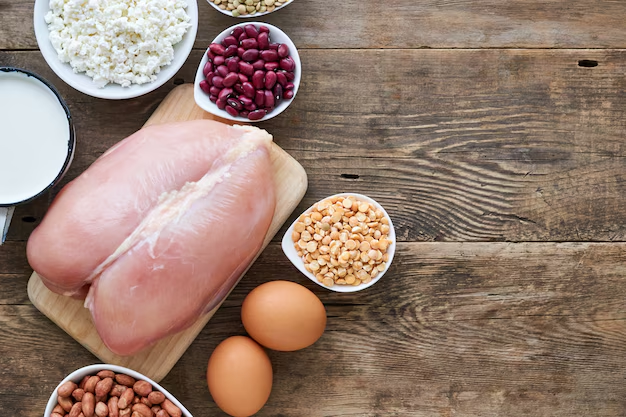
Can Chicken Be a Healthy Part of a Diabetic Diet?
For many grappling with diabetes, managing diet is a crucial part of maintaining health. While a balanced diet that monitors carbohydrate intake is often recommended, questions about specific foods frequently arise. One such question on the minds of many is whether chicken is a wise choice for those with diabetes. Below, we delve into the nature of chicken, its nutritional benefits, and how it can fit into a diabetic-friendly diet.
Understanding Diabetes and Diet
Before addressing chicken's role, it's essential to understand the fundamental dietary considerations for individuals with diabetes. Diabetes affects the way the body processes blood sugar (glucose), and diet plays a critical role in maintaining healthy glucose levels.
Types of Diabetes
- Type 1 Diabetes: An autoimmune condition where the body attacks insulin-producing cells.
- Type 2 Diabetes: A condition characterized by insulin resistance, often associated with lifestyle factors.
- Gestational Diabetes: Occurs during pregnancy and often resolves after childbirth.
Dietary Goals for Diabetics
- Manage Blood Sugar: Prioritize foods that help maintain steady blood sugar levels.
- Balanced Nutrients: Include a good mix of carbohydrates, proteins, and fats.
- Focus on Fiber: Fiber-rich foods aid in managing blood sugar levels and improving insulin sensitivity.
- Moderate Carb Intake: Monitor and limit high-carbohydrate foods to prevent blood sugar spikes.
Nutritional Profile of Chicken
Chicken is a popular protein source in many diets worldwide, and its nutritional profile offers several benefits.
High in Protein, Low in Carbs
- Proteins: Chicken is a rich source of high-quality protein, essential for muscle maintenance and growth.
- Carbohydrates: Chicken is naturally carb-free, making it an ideal protein choice for blood glucose management.
Rich in Essential Nutrients
- Vitamins and Minerals: Provides B vitamins such as niacin and B6, which support metabolism, and minerals like phosphorus and selenium that are essential for various bodily functions.
Low in Saturated Fats
- Lean Cuts: Opting for skinless chicken breast minimizes intake of saturated fats, beneficial for heart health—a crucial consideration since diabetes increases cardiovascular risk.
👉 Key Takeaway: Chicken's high protein content, negligible carbohydrates, and beneficial nutrients make it a strong contender for inclusion in a diabetic meal plan, especially when choosing lean cuts.
Chicken in a Diabetic Meal Plan
Incorporating chicken into a diabetic-friendly diet involves more than just knowing its nutritional value. It's about selecting suitable preparation methods and complementing it with other healthy food choices.
Cooking Methods Matter
- Grilling, Baking, or Broiling: Opt for these methods over frying to cut down on added fats and calories.
- Season with Herbs and Spices: Enhance flavor without adding sugar or excess salt, aiding those conscious of blood pressure and sugar spikes.
Complementary Sides
Pair chicken with sides that support diabetic nutrition goals:
- Non-Starchy Vegetables: Broccoli, spinach, and bell peppers are excellent low-carb choices.
- Whole Grains: Opt for quinoa or barley for those seeking healthy carbohydrates in moderation.
- Healthy Fats: Incorporate avocados or olive oil for a dose of heart-healthy unsaturated fats.
Portion Control
Diabetics benefit from being mindful of portion sizes. Even healthy food choices can contribute to weight challenges when consumed in large quantities.
👉 Practical Tip: Think of your plate as a guide—half should be vegetables, a quarter lean protein like chicken, and the final quarter whole grains or starchy foods.
Addressing Common Concerns
Is Chicken Skin Harmful?
While chicken skin is flavorful, it is high in saturated fats which can influence cholesterol levels. Removing the skin before cooking or eating chicken helps reduce calorie and fat intake, in turn supporting cardiovascular health, a frequent focus for diabetics.
Organics and Hormone-Free Options
With growing health consciousness, many wonder if organic or hormone-free chicken offers additional benefits. While these might align with personal health philosophies, the primary focus should remain on preparation methods and portion sizes.
Managing Sodium Intake
Packaged or pre-marinated chicken can be high in sodium. For those monitoring blood pressure—common in diabetes care—opt for fresh chicken and use minimal salt during preparation.
What Do Experts Say?
While nutrition experts support the inclusion of lean protein like chicken in a diabetic diet, the overarching narrative remains one of balance and personalization. Success with diabetes management often hinges on tailored diet plans that respect individual needs, tastes, and medical advice.
Sustainable Eating for Diabetics
Eating chicken can be part of a larger conversation on sustainable and ethical food choices, which increasingly resonates with contemporary health and environmental concerns. Choosing locally-sourced or ethically-raised chicken supports these values while also tending to dietary needs.
Summary of Diabetic-Friendly Chicken Diet Tips
Here’s a concise list of how to include chicken in a diet mindful of diabetes:
- 🌱 Choose Lean Cuts: Opt for skinless, boneless chicken breasts.
- 🍳 Use Healthy Cooking Methods: Grill, bake, or broil instead of frying.
- 🥦 Pair with Non-Starchy Veggies: Balance your plate with colorful, varied vegetables.
- ⚖️ Mindful Portions: Limit portions to manage calorie and carb intake.
- 😊 Season with Herbs: Enhance taste without sugar or excessive salt.
- 🚫 Avoid Processed Options: Minimize intake of pre-packaged, high-sodium chicken products.
Incorporating chicken into a diabetic diet can be an excellent way to balance protein needs while maintaining control over blood sugar levels. When prepared mindfully and paired with a diverse range of healthy foods, chicken can help support diabetic health and wellness in a way that's both satisfying and sustainable.