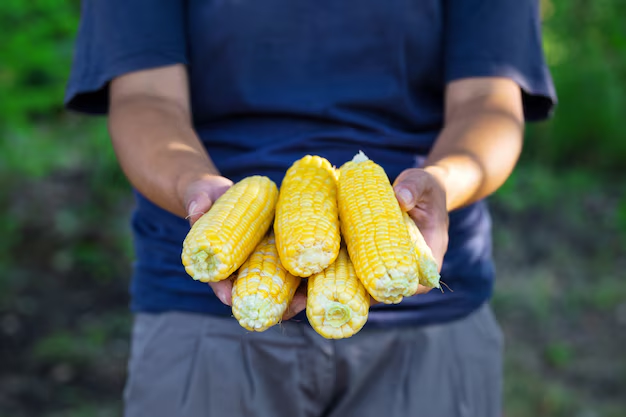
Can Maize Be Part of a Diabetes-Friendly Diet? 🌽
For those living with diabetes, diet plays a crucial role in managing their condition. The choices one makes at meal times can significantly impact blood sugar levels and overall health. Maize, also known as corn, is a staple in many diets worldwide. But is maize good for individuals with diabetes? Let's explore this question and delve into related aspects to help you make informed dietary choices.
Understanding Maize: A Nutritional Overview
Maize is much more than just a ubiquitous grain; it is a versatile food that offers a variety of nutrients. Knowing what maize provides can help determine its viability in a diabetes-friendly diet.
The Nutritional Composition of Maize
1. Carbohydrates: Maize is predominantly composed of carbohydrates, which can impact blood sugar levels. The carbohydrate content requires mindful consumption, especially for those managing diabetes.
2. Fiber: High in fiber, maize can aid in digestion and help in maintaining steady blood glucose levels by slowing down the absorption of sugars into the bloodstream.
3. Protein: While maize does provide some protein, it's typically not a primary source of this nutrient compared to legumes and meats.
4. Vitamins and Minerals: Maize is a source of essential vitamins including vitamin B6, folate, and minerals such as magnesium and phosphorus, which contribute to various bodily functions.
5. Antioxidants: The presence of antioxidants in maize can support overall health by reducing oxidative stress and inflammation.
Types of Maize and Their Impact
The form in which maize is consumed can affect its nutritional impact. Understanding these differences is crucial.
- Whole Corn Kernels: Eating whole corn allows for higher fiber intake.
- Popcorn: Air-popped popcorn can be a low-calorie, high-fiber snack, but added butter or sugar can introduce unhealthy fats and additional carbs.
- Cornmeal and Corn Flour: Used in baking and cooking, these forms of maize can contribute to higher blood sugar spikes if not balanced with other fibrous or protein-rich foods.
The Role of Maize in a Diabetes Diet
Given its nutritional content, maize can have both positive and negative impacts on diabetes management. Here are some considerations:
Potential Benefits
1. Fiber Content: The high fiber content in maize can play a role in stabilizing blood sugar levels, making it potentially beneficial when consumed in moderation.
2. Portion Control: Consuming maize in controlled portions can allow individuals to enjoy its benefits without significantly impacting blood glucose.
3. Versatile Meal Options: Incorporating maize into balanced meals with vegetables and lean proteins can create nutritious and satisfying dishes.
Potential Challenges
1. Glycemic Index: Maize has a moderate glycemic index, meaning it can raise blood sugar levels somewhat quickly. Monitoring portion sizes is essential.
2. Additives: Processed corn products often contain added sugars or unhealthy fats, which can negate the benefits corn offers.
3. Individual Reactions: Each individual may react differently to maize. Keeping track of personal blood sugar responses is key to understanding its effects.
Practical Tips for Including Maize in a Diabetes-friendly Diet
Here are practical strategies to incorporate maize without compromising blood sugar control.
Smart Serving Suggestions
Balance with Protein and Fat: Pair maize with lean protein or healthy fats to slow digestion and stabilize blood sugar levels.
Choose Whole Forms: Opt for whole-grain corn products over refined options for better nutrient retention.
Mindful Snacking: Choose air-popped popcorn or grilled corn on the cob, avoiding butter and excessive salt or sugar.
Cooking Methods: Embrace grilling or steaming over frying to keep meals lighter and healthier.
Creative Meal Ideas
1. Corn and Black Bean Salad: Combine cooked corn with black beans, tomatoes, and avocado for a fiber-rich, satisfying dish.
2. Grilled Corn with Lime: Grill corn cobs with a squeeze of lime and a sprinkle of chili powder for a flavored side dish.
3. Popcorn with Nutritional Yeast: Add nutritional yeast for a cheesy, guilt-free topping on air-popped popcorn.
Related Dietary Considerations for Diabetes
In managing diabetes, considering the broader dietary picture supports not only immediate blood sugar responses but also long-term health.
The Importance of a Holistic Approach
1. Diverse Sources of Carbohydrates: Include various whole grains, legumes, and vegetables to maintain nutritional balance and prevent boredom.
2. Consistent Meal Timing: Regular eating schedules can help maintain stable energy levels and facilitate optimal blood glucose control.
3. Hydration: Good hydration supports metabolic health and can positively impact blood sugar levels.
Navigating Personal Choices and Maize Consumption
Understanding your body's unique responses to different foods can empower better dietary choices.
Monitoring and Adjustments
Keep a Food Diary: Track what you eat and your body's response, helping identify patterns and make improvements.
Collaborate with Healthcare Providers: Seek guidance from nutritionists or healthcare professionals to tailor dietary choices to your needs.
Experiment Mindfully: Adjust portion sizes and preparation methods, noting what works best for your body.
Key Takeaways 🌟
Here's a quick reference to consider maize and diabetes:
- Balance is Key: Pair maize with proteins and fats.
- Portion Control: Monitor serving sizes carefully.
- Whole Over Processed: Opt for whole, minimally processed maize.
- Listen to Your Body: Track responses and adjust as needed.
Incorporating maize into a diabetes-friendly diet is not only possible but can be delightful with the right knowledge and preparations. By balancing maize with other nutrients and watching portion sizes, one can enjoy this staple grain while maintaining health goals.