Is Quaker Oats a Smart Choice for Managing Diabetes?
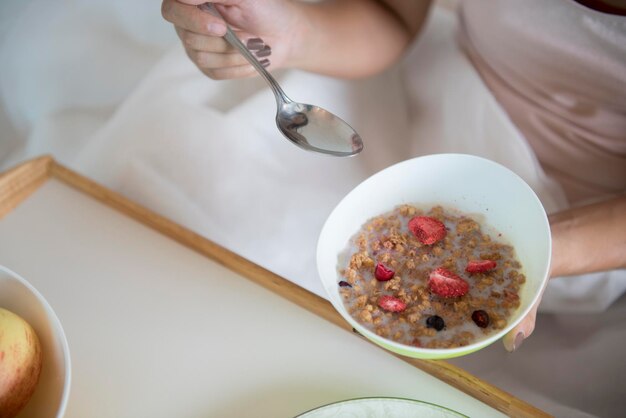
Thinking about breakfast often brings to mind that comforting bowl of oatmeal, and Quaker Oats has become a quintessential part of many morning routines. But if you're managing diabetes, making the right dietary choices is crucial. So, where does Quaker Oats stand in the hierarchy of diabetes-friendly foods? Let's explore how this popular breakfast staple might fit into your lifestyle and the broader context of diabetes management, while considering both its nutritional benefits and potential downsides.
Understanding Diabetes and Nutrition
Diabetes is a chronic condition that affects how your body processes glucose, a type of sugar that acts as a primary energy source. People with diabetes need to carefully manage their blood sugar levels through medication, lifestyle adjustments, and diet. Nutrition plays a pivotal role in this balance. Foods with a low glycemic index (GI) and rich in fiber are generally preferred as they lead to a slower, more gradual rise in blood sugar levels.
The Glycemic Index and Why It Matters
The Glycemic Index is a scale that ranks carbohydrates based on how quickly they raise blood glucose levels. Foods with a high GI are rapidly digested and absorbed, causing a quick spike in blood sugar. Conversely, foods with a low GI take longer to digest, leading to a slower release of sugar into the bloodstream.
Quaker Oats generally fall into the low to medium GI category, depending on the variety. This makes them an attractive option for those managing diabetes, as they provide a more stable energy source compared to high-GI foods.
Nutritional Benefits of Quaker Oats
Fiber: A Key Player
One of the standout features of Quaker Oats is their high fiber content, specifically soluble fiber called beta-glucan. This type of fiber is particularly beneficial as it slows digestion and the absorption of carbohydrates, leading to a more stable blood sugar response. Additionally, fiber is known for its role in promoting satiety and supporting digestive health.
Nutrient Profile
Quaker Oats are also rich in essential nutrients, including:
- Vitamins: Such as B vitamins which are essential for energy production.
- Minerals: Like magnesium and zinc, which are important for various bodily functions.
- Antioxidants: That help reduce inflammation and improve heart health.
These features position oats as a heart-healthy food, an important consideration since diabetes increases the risk of cardiovascular diseases.
Potential Drawbacks
While Quaker Oats can be beneficial, there are considerations to keep in mind:
Processed Varieties
Instant oats and flavored options often come with added sugars and preservatives. Choosing these can negate some of the health benefits by causing blood sugar spikes. It's advisable to opt for old-fashioned or steel-cut oats, which are less processed and contain minimal additives.
Portion Control
Even with low-GI foods like Quaker Oats, portion control is essential. Overeating any carbohydrate-rich food can elevate blood sugar levels, regardless of its glycemic index rating. Being mindful of serving sizes helps maintain a balanced diet.
Practical Tips for Enjoying Oats
To incorporate Quaker Oats into a diabetes-friendly diet effectively, consider these tips:
🤖 Personalize Your Bowl
- Add Protein: Incorporate nuts, seeds, or Greek yogurt to enhance nutritional balance and slow digestion.
- Include Healthy Fats: A spoonful of almond butter or sliced avocado can increase satiety and smooth out blood sugar responses.
- Choose Smart Sweeteners: Opt for natural sweeteners like cinnamon or a few berries instead of sugar or honey.
📋 Quick Breakfast Ideas
- Overnight Oats: Combine oats with chia seeds, unsweetened almond milk, and a dash of vanilla for a ready-to-eat breakfast.
- Savory Oatmeal: Cook oats with vegetable broth, spinach, and a poached egg for a hearty, savory option.
- Oatmeal Muffins: Make whole-grain muffins using oats, eggs, and grated zucchini for a convenient, on-the-go meal.
Related Considerations in Diabetes Management
Choosing the right foods like Quaker Oats is one aspect of diabetes management. Here are a few more considerations:
👣 Lifestyle and Exercise
Regular physical activity can significantly impact blood sugar control. Combining aerobic exercises like walking or cycling with strength training can enhance insulin sensitivity and overall well-being.
🧠 Mindful Eating
Practicing mindful eating helps recognize hunger cues and prevent overeating. Paying attention to your body's signals can improve your relationship with food and help manage diabetes more effectively.
📈 Monitoring Blood Sugar Levels
Consistently monitoring blood sugar levels provides insights into how different foods affect your body. This data can guide more personalized food choices and support discussions with healthcare providers.
🔍 Consultation and Personalization
While general advice can help guide choices, personal consultations with healthcare professionals, including dietitians, are crucial. They can provide tailored recommendations that consider your health history and lifestyle.
Key Takeaways
Here’s a concise summary of the main points about Quaker Oats and diabetes:
- Fiber-Rich: Soluble fiber in oats aids in stable blood sugar control.
- Low to Medium GI: Offers a slower sugar release into the bloodstream.
- Whole Options Best: Choose old-fashioned or steel-cut oats over instant varieties.
- Portion Awareness: Be mindful of serving sizes to avoid unnecessary spikes.
🍲 Helpful Recommendations
- Combine Oats with Proteins: For balanced energy and satiety.
- Experiment with Savory Recipes: For variety and reduced sugar intake.
- Regular Monitoring: To understand individual blood sugar responses.
In summary, Quaker Oats can be a beneficial addition to a diabetes-friendly diet, emphasizing the importance of whole, less processed forms, portion control, and diverse culinary integrations. By thoughtfully incorporating this nutritious food and considering allied lifestyle factors, you can harmonize pleasure at the table with effective diabetes management.