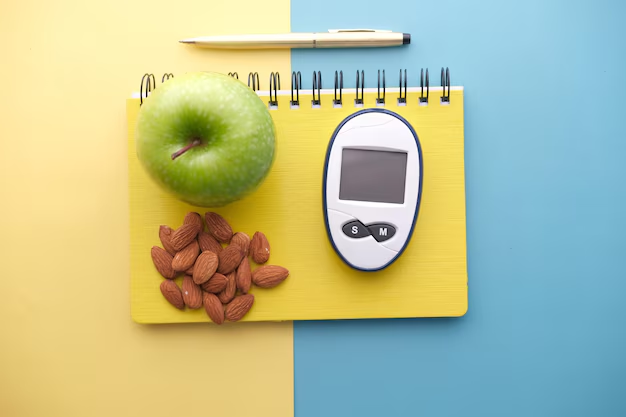
Navigating Rice and Diabetes: What You Need to Know
Rice is a staple food in many cultures worldwide, enjoyed in various forms and dishes. However, for those managing diabetes, the relationship with rice can be more complicated. Understanding its impact on blood sugar levels is essential for making informed dietary choices. Let’s delve into whether rice is good or bad for diabetics, and explore practical strategies for incorporating it into a diabetic-friendly diet.
🍚 Rice and Blood Sugar: The Basics
How Rice Affects Blood Sugar
Carbohydrates and Glucose Levels: Rice is primarily composed of carbohydrates, which the body breaks down into glucose. This process causes your blood sugar levels to rise. For individuals with diabetes, managing these levels is crucial for maintaining overall health.
Glycemic Index (GI): The GI measures how rapidly a carbohydrate-containing food raises blood glucose levels. Foods with high GI values impact blood sugar more significantly than those with lower GI values. Typically, white rice has a higher GI compared to brown rice, potentially leading to quicker spikes in blood sugar.
Varieties of Rice and Their Impact
White Rice: Often linked with higher GI scores, white rice is more likely to cause rapid blood sugar spikes. It undergoes more processing, resulting in a loss of fiber and nutrients.
Brown Rice: Maintaining its bran and germ, brown rice boasts higher fiber content and nutrients. It generally has a lower GI, causing slower and more gradual increases in blood sugar levels.
Basmati Rice: Known for its lower GI compared to other white rice varieties, basmati rice could be a favorable option for diabetics seeking alternatives.
🍚 Strategies for Enjoying Rice Responsibly
Balance and Portion Control
Portion Size Matters: Controlling portion sizes is crucial. Smaller servings can help regulate blood sugar levels after meals.
Combine with Fiber and Protein: Adding fiber-rich vegetables or protein sources like beans, chicken, or tofu can help slow the absorption of carbohydrates, minimizing blood sugar spikes.
Cooking and Preparation Tips
Rinsing and Cooling: Rinsing rice can remove surface starch, potentially lowering its GI. Allowing rice to cool after cooking may also modify its resistant starch content, which some find beneficial for blood sugar control.
Mixed Grains and Alternatives: Consider mixing rice with quinoa, barley, or other whole grains to enhance fiber content and nutritional value.
🍽️ Creating a Diabetic-Friendly Meal Plan
Integrating Rice into Your Meals
Crafting a meal plan that suits your dietary needs while including rice is possible with careful consideration of portion sizes and meal composition.
Sample Meal Plan:
- Breakfast: A bowl of oatmeal with nuts and berries for slow-releasing energy.
- Lunch: Grilled chicken salad with a small serving of brown rice and mixed vegetables.
- Dinner: Stir-fried tofu with a mix of basmati rice and quinoa, accompanied by steamed broccoli.
Tips for Meal Planning
- Color Your Plate: Aim for a colorful plate with plenty of vegetables to diversify nutrients.
- Monitor Blood Sugar: Regular monitoring can help you understand how rice affects your blood sugar levels.
🤔 Is Rice Bad for Diabetics? A Balanced Perspective
The Case For Moderation
While rice can affect blood sugar, its inclusion in a diabetic's diet isn't inherently bad. It’s about balance and moderation: selecting the right type, portion size, and pairing it with other nutrient-dense foods to mitigate potential spikes.
Consideration of Lifestyle and Preferences
Cultural preferences and individual tolerances play significant roles in dietary choices. Diabetics can enjoy rice by making informed substitutions and incorporating it mindfully into their diet.
🌟 Key Takeaways
- Choose Wisely: Opt for lower GI rice types like brown or basmati when possible.
- Portion Control: Keep an eye on serving sizes to manage blood sugar levels effectively.
- Combine Foods: Pair rice with proteins and high-fiber foods to slow glucose absorption.
- Listen to Your Body: Regular monitoring and adjustments based on your body's responses are key to a flexible and enjoyable diet.
📊 Quick Reference Guide
| Strategy | Impact on Blood Sugar |
|---|---|
| Select Low-GI Rice | Slower blood sugar increases |
| Limit Portion Sizes | Reduces risk of spikes |
| Combine with Protein | Slows carbohydrate absorption |
| Include Vegetables | Adds fiber, helping to stabilize blood sugar |
| Monitor Regularly | Enables personalized adjustments |
Balancing your love for rice with the demands of managing diabetes is achievable. By making thoughtful choices, you can enjoy rice as part of a varied and healthy diet that supports your overall well-being.