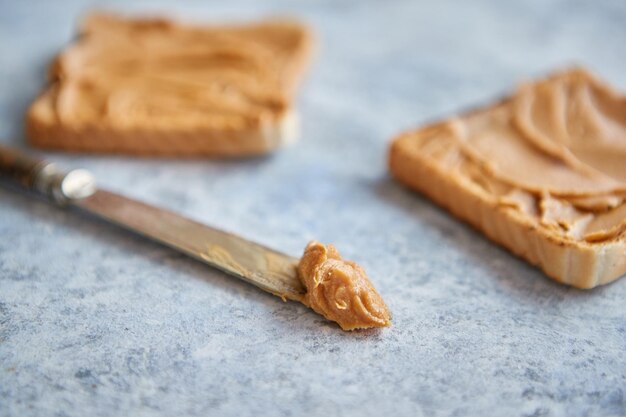
Can Diabetics Enjoy Skippy Peanut Butter? A Comprehensive Exploration
Peanut butter—creamy, delicious, and versatile—is a staple in many households. It's an easy choice for a quick snack or a perfect ingredient for countless recipes. When it comes to individuals managing diabetes, making the right food choices becomes crucial. This begs the question: Is Skippy Peanut Butter good for diabetics? Let's delve deep into this topic to uncover insights and guidance.
Understanding Diabetes and Diet
Diabetes is a chronic condition where the body struggles to regulate blood sugar, necessitating mindful dietary choices. Diet plays a pivotal role in keeping blood sugar levels stable, and understanding food components like carbohydrates, fats, and sugars is essential for anyone with diabetes.
The Role of Carbohydrates and Sugars
Carbohydrates are directly linked to blood sugar levels. Consuming high amounts of carbs can lead to spikes in blood sugar, which is why diabetics often focus on low-glycemic index foods. Sugars, a type of carbohydrate, can quickly affect glucose levels, so monitoring intake is vital.
Peanut Butter in a Diabetic Diet
Peanut butter, like Skippy, is often considered a healthy choice due to its nutritional profile. It's an excellent source of healthy fats, protein, and provides essential vitamins and minerals. Moderation, however, is key when incorporating it into a diabetic meal plan, especially when evaluating different brands.
Analyzing Skippy Peanut Butter
To determine whether Skippy Peanut Butter is suitable for diabetics, we must break down its nutritional content and potential impacts.
Nutritional Profile of Skippy Peanut Butter
Skippy Peanut Butter is known for its creamy texture and signature taste. Here's what typically makes up its nutritional content per serving:
- Calories and Serving Size: Typically, a serving (about 2 tablespoons) contains around 190 calories.
- Carbohydrates: Contains approximately 6-7 grams, with sugars making up a portion of this.
- Protein and Fat: Provides around 8 grams of protein and 16 grams of fat, mostly healthy unsaturated fats.
Tip: Keep an eye on serving sizes; it's easy to go overboard, which could lead to unintended carb intake.
Added Components: Sugar and Sodium
The presence of added sugars and sodium in Skippy brands is a concern for many with dietary restrictions. Skippy's classic peanut butter includes small amounts of sugar and salt for flavor enhancement—elements to watch for diabetics aiming to maintain tight blood sugar control.
Blood Sugar Impact
The blend of protein and healthy fats in peanut butter can help slow glucose absorption, potentially impeding sharp blood sugar spikes after eating. Nonetheless, the presence of added sugars should be a consideration in overall daily intake.
Comparing Peanut Butter Options
While Skippy is popular, not all peanut butter brands are created equal, and evaluating alternatives can help diabetics make informed decisions.
Natural vs. Processed Peanut Butter
Natural peanut butter usually contains just peanuts and salt, lacking additional oils and sugars. Here's how it stacks against processed options:
- Ingredients: Natural varieties are often free from additives, making them a cleaner choice.
- Stability: Natural peanut butter's oils may separate, requiring stirring, but offer fewer processed ingredients.
- Taste and Texture: Preferences can vary; some love the robust taste of natural while others prefer the creaminess of processed like Skippy.
Practical Tips for Diabetics
Ensuring that dietary choices support health management is critical for diabetics. Here’s a handy list of tips:
🥜 Peanut Butter Tips for Diabetics
- Portion Control: Stick to recommended serving sizes to manage caloric and sugar intake.
- Read Labels: Check for additional sugars and choose brands with lower sodium and sugar contents.
- Pair Wisely: Enjoy peanut butter with whole-grain bread, apple slices, or vegetables for balanced snacks.
- Mind Glycemic Index: Opt for lower-glycemic peanut butter options by choosing natural ones.
Incorporating Peanut Butter into Meals
Being creative with meals can keep eating enjoyable without compromising health goals. Consider these ideas:
- Breakfast: Spread a thin layer on whole grain toast or add to oatmeal.
- Snacks: Pair with celery sticks or apple slices.
- Desserts: Use as a topping for yogurt or in smoothies (avoid using with excessive sugary bases).
Balancing Peanut Butter and Diabetes Management
Understanding nuanced impacts of foods like peanut butter allows diabetics to make proactive choices for their health.
The Importance of Monitoring and Flexibility
Regular monitoring of blood sugar levels and remaining receptive to dietary changes is paramount. Diabetic meal plans should be tailored, considerate, and consistently reviewed for effectiveness.
Engaging with Healthcare Providers
While articles and guides provide valuable information, consulting healthcare providers for personalized advice ensures comprehensive management. This approach promises balanced diet modifications tailored to individual health needs.
In Summary: Skippy Peanut Butter can be a tasty inclusion in a diabetic diet when consumed thoughtfully and monitored for portion sizes and added sugars. Diabetics should observe personal reactions and adjust intakes accordingly, keeping nutritional balance in mind. Remember, knowledge and careful choices are your best tools in maintaining a healthy lifestyle.