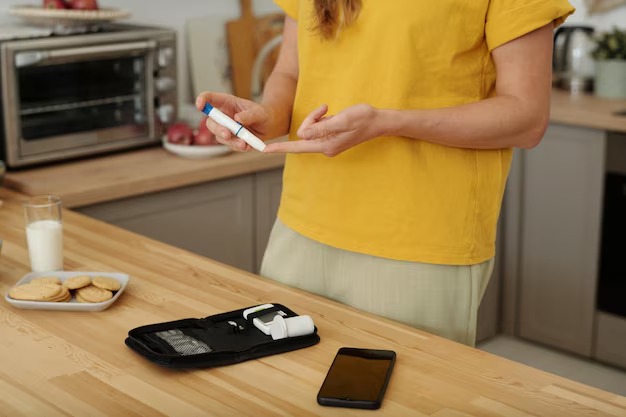
Can Diabetics Safely Consume Sugar Alcohol? Here's What You Need to Know
For individuals managing diabetes, making informed dietary choices is crucial. Among the many sugar alternatives available, sugar alcohols come across as a popular option—but are they safe for diabetics? Let's explore the various facets of sugar alcohols and what they mean for people with diabetes.
🍬 What Are Sugar Alcohols?
Sugar alcohols are sweeteners that are chemically similar to sugars and alcohols, but they are neither. They are found naturally in some fruits and vegetables and are often used as sweeteners in various foods, especially those labeled "sugar-free" or "diet." Common types include sorbitol, xylitol, erythritol, and mannitol.
Characteristics of Sugar Alcohols
- Lower-calorie content than regular sugar.
- Provide sweetness comparable to sugar without spiking blood sugar levels dramatically.
- Often used in sugar-free gums, candies, and toothpaste.
How They Compare to Regular Sugar
Unlike regular sugar, sugar alcohols are not fully absorbed by the body, leading to fewer calories and less impact on blood sugar levels. This feature makes them appealing for individuals with diabetes who must manage blood glucose levels closely.
🌟 Potential Benefits for Diabetics
Understanding the advantages of sugar alcohols can help in making them a part of a balanced diabetic diet.
Reduced Caloric Intake
Since sugar alcohols are lower in calories, they can aid in weight management, which is an important consideration for many diabetics. Excess body weight can make it harder for individuals to control their blood sugar, so low-calorie alternatives are beneficial.
Moderate Impact on Blood Sugar
Sugar alcohols have a lower glycemic index compared to regular sugars, meaning they have a lesser immediate impact on blood glucose. This can help in maintaining more stable blood sugar levels post-meal.
Easily Incorporated
Sugar alcohols can be found in a range of diabetic-friendly products, making it easier to maintain a satisfying diet without compromising health goals.
💢 The Downsides and Considerations
While sugar alcohols come with benefits, they also have potential downsides that diabetics should consider.
Gastrointestinal Discomfort
One common issue with sugar alcohols is that they can cause digestive problems like bloating, gas, and diarrhea, especially if consumed in large quantities. This happens because they are not fully absorbed in the intestine, leading to fermentation by intestinal bacteria.
Individual Tolerance Levels
Reactions to sugar alcohols can vary widely among individuals. Some might find them perfectly tolerable, while others may experience significant discomfort even in smaller amounts. This variance makes it essential for diabetics to listen to their bodies and adjust their intake accordingly.
Impact on Blood Sugar Levels
While they have a lower impact compared to sugar, sugar alcohols are not entirely free of carbohydrates, and some options can affect blood glucose, albeit mildly. Careful monitoring is vital.
🔍 Comparing Different Sugar Alcohols
Not all sugar alcohols are created equal. Here's a look at some common types and how they might fit into a diabetic-friendly diet:
Sorbitol and Mannitol
- Calories: Moderate
- Sweetness: 50-75% as sweet as sugar
- Blood Sugar Impact: Low to moderate
- Notes: Avoid large amounts to prevent digestive issues.
Xylitol
- Calories: Lower than sugar
- Sweetness: Equally sweet as sugar
- Blood Sugar Impact: Low
- Notes: Commonly found in dental products as it can reduce the risk of cavities.
Erythritol
- Calories: Near negligible
- Sweetness: 60-80% as sweet as sugar
- Blood Sugar Impact: Minimized to non-existent
- Notes: Less likely to cause digestive problems, making it a popular choice.
🌱 Practical Tips for Including Sugar Alcohols in a Diabetic Diet
Balancing diet choices can be challenging, but these tips can help incorporate sugar alcohols effectively and safely:
Start Small: Begin with small portions to see how your body reacts to sugar alcohols.
Monitor Blood Sugar: Regularly check your blood glucose levels to understand how different sugar alcohols affect you.
Read Labels: Learn to recognize sugar alcohols in ingredient lists to make better choices.
Balance Diet: Incorporate them as part of a broader, balanced diet that includes nutrient-dense foods.
Consult Professionals: Engage with a dietitian or healthcare provider to tailor your dietary needs.
🍽️ Diet and Lifestyle Considerations for Diabetics
Managing diabetes isn't solely about choosing sugar alternatives. A holistic approach involves:
- Balanced Nutrition: Emphasize fruits, vegetables, lean proteins, and whole grains.
- Regular Physical Activity: Incorporate at least 150 minutes of moderate activity per week.
- Routine Monitoring: Keep track of blood sugar levels regularly.
- Stress Management: Use techniques like meditation and yoga to manage stress levels.
💡 Key Takeaways
To sum up, here's a quick overview of important points about sugar alcohols for diabetics:
- 🍬 Moderate Sugar Alternative: Sugar alcohols offer a lower-calorie and reduced sugar-spiking option.
- ❗ Digestive Sensitivity: Be cautious of potential gastrointestinal discomfort.
- 🤔 Individual Reactions: Responses can vary; monitoring personal tolerance is crucial.
- 🥗 Part of a Balanced Diet: Best used in conjunction with a comprehensive approach to diabetes management.
Deciding whether to include sugar alcohols in your diabetic meal plan requires thoughtful consideration and personal assessment. While they provide a beneficial alternative to sugar, individual experiences and responses must guide decisions. This balanced understanding empowers diabetics to craft a dietary plan that supports their health and lifestyle goals effectively.