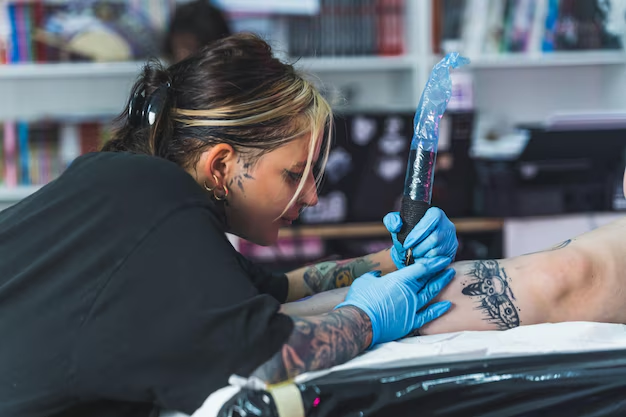
Can People with Diabetes Safely Get Tattoos? What You Need to Know
Tattoos can be a beautiful form of self-expression, a commemorative gesture, or simply an artistic pursuit. Yet, for individuals with diabetes, this form of body art often comes with extra considerations. As we'll explore below, navigating the complexities of tattooing when living with diabetes involves understanding the risks and benefits involved. This guide covers all you need to know before taking the leap into the world of ink.
🧐 Tattooing and Diabetes: The Initial Considerations
Understanding Diabetes and Its Implications
Diabetes, whether Type 1 or Type 2, affects how your body manages blood sugar. This can have various effects on your body’s healing processes. High blood sugar levels can delay wound healing, which is an essential point to consider if you're planning to get a tattoo. Additionally, individuals with diabetes may experience reduced blood flow, especially to the extremities, which can also impede healing.
Wound Healing and Blood Sugar Levels
Before we delve into the decision, it’s important to understand how your current health status plays into tattooing. Maintaining well-controlled blood sugar levels is crucial:
- Improved Healing: Adequate blood sugar levels foster better healing.
- Reduced Risk of Infection: High blood sugar can increase the likelihood of infection, a key consideration for tattoo care.
Consultation with Healthcare Professionals
Before making any definitive decisions, it’s recommended that individuals with diabetes consult with their healthcare professionals. Consulting your doctor can provide insights specific to your condition, such as whether your current blood sugar levels make tattooing safe. It might also be beneficial to consult a dermatologist for skin-related advice.
✍️ Choosing the Right Tattoo Artist and Studio
Once you’ve gotten the green light from your healthcare provider, the next step is selecting an experienced tattoo artist and a reputable studio.
What to Look for in a Tattoo Studio
- Cleanliness: Ensure that the studio follows strict hygiene standards. This includes sterilized equipment and disposable inks.
- Experienced Artists: Consider professionals who are familiar with tattooing individuals who have medical conditions such as diabetes.
- Licensing and Reviews: Check for proper licensing and positive reviews or recommendations from other clients.
Questions to Ask Your Tattoo Artist
- Are you familiar with tattooing someone with diabetes?
- How do you ensure that the tattooing process is hygienic and safe?
- What aftercare advice do you recommend for someone in my situation?
🤔 Tattoo Placement: A Considerate Decision
While tattoos can be placed almost anywhere on your body, certain locations might present more challenges for individuals with diabetes.
Areas to Approach with Caution
- Extremities: Hands, feet, and ankles are areas to be particularly mindful of, as these can be prone to poor circulation.
- Sensitive Skin Areas: Places where you frequently inject insulin or
have known circulation problems should be approached cautiously.
Tips for Optimal Placement
- Favor areas with better circulation, which could improve healing.
- Avoid areas prone to irritation or that can be difficult to reach when cleaning.
🛡️ Post-Tattoo Care for Diabetic Individuals
Once you've gone through with your tattoo, ensuring proper aftercare is essential to avoid complications.
Essential Aftercare Practices
- Keep the Area Clean: Wash gently with a mild soap and lukewarm water.
- Moisturize Carefully: Use hypoallergenic lotions to avoid irritation.
- Monitor for Infections: Keep an eye on redness, swelling, or unusual discharge. Immediate consultations with a healthcare professional are advisable if infection is suspected.
Lifestyle Considerations
- Balanced Diet: A healthy intake of nutrients aids the body's healing process.
- Routine Check-Ups: Regular visits to your healthcare provider can help in managing your condition post-tattoo.
🚨 Risks to Be Aware Of
For diabetics considering a tattoo, understanding the potential risks involved is as important as the art itself.
Possible Complications
- Infections: Due to slower healing times, the risk of infection is heightened.
- Scarring: Poor healing might result in pronounced scarring.
- Allergic Reactions: Always monitor your skin for any signs of an allergic reaction to the tattoo ink.
Mitigating Potential Risks
- Consultation: Regularly consult with your healthcare provider during your healing process.
- Immediate Care: Quickly address any unusual symptoms such as excessive redness or pain with your doctor.
📋 Quick Takeaways for Diabetics Interested in Tattoos
Below is a summary of key considerations for diabetics contemplating a tattoo:
| Key Area | What to Consider |
|---|---|
| 🔍 Health Check | Maintain stable blood sugar levels and consult healthcare professionals before proceeding. |
| 🎨 Tattoo Artist and Studio | Choose licensed, experienced professionals who understand the risk factors involved for clients with diabetes. |
| 📍 Tattoo Placement | Opt for areas with better circulation and avoid common injection sites. |
| 🛡️ Aftercare | Prioritize hygiene and moisturization, and monitor for signs of infection. |
| 🚨 Potential Risks | Be aware of risks like infections and scarring, and work proactively to minimize these through diligent care and consultations. |
🌟 Final Thoughts: Weighing the Choice
Getting a tattoo as a person with diabetes is a decision that requires thoughtful consideration. With proper consultation, careful planning, and diligent aftercare, many diabetics have successfully gotten tattoos without issues. The key is to be informed, prepared, and proactive in managing your health every step of the way.
Ultimately, understanding your unique health profile is vital, and working closely with healthcare providers can help you make the best decisions regarding tattooing — ensuring that the art you choose to showcase tells a story of personal empowerment, resilience, and individuality.