Discovering the Best Fruits for Diabetics: A Comprehensive Guide
When you think of managing diabetes, the first thing that often comes to mind is the intricate balance of controlling blood sugar levels. While there's no one-size-fits-all dietary solution, fruits can play a crucial role in a diabetic-friendly diet. The challenge lies in choosing fruits that can satisfy your sweet tooth while keeping your blood glucose in check. So, what are the best fruits for diabetics, and how can they be integrated into a balanced eating plan?
Understanding Diabetes and Fruits
The Balancing Act: Fruit and Blood Sugar
Fruits are rich in vital vitamins, minerals, and fiber, making them an essential part of a healthy diet. However, they also contain carbohydrates, which can impact blood sugar levels. The key for diabetics is to choose fruits with a low glycemic index (GI) to minimize glucose spikes. Glycemic index is a measuring scale that ranks carbohydrates based on their impact on blood glucose levels. Lower GI foods have a more modest effect, making them better suited for managing diabetes.
The Role of Fiber
Dietary fiber found in fruit plays a significant role in diabetes management. Fiber slows down the absorption of sugar, thus helping maintain more stable blood sugar levels. This makes high-fiber fruits a particularly good choice for those managing diabetes.
Top Fruits for Diabetics
🍎 Apples
Apples are crunchy, satisfying, and come with the added benefit of soluble fiber, which aids in reducing cholesterol levels. They also have a low GI, making them a favorable fruit option for diabetics.
🍒 Berries
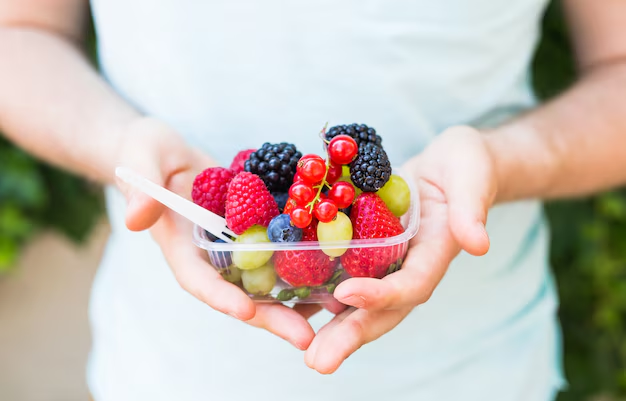
Berries, including strawberries, blueberries, and raspberries, are excellent choices due to their low GI and high fiber content. They are packed with antioxidants, which provide additional health benefits beyond blood sugar control.
🍊 Oranges and Other Citrus Fruits
Citrus fruits like oranges, grapefruits, and lemons are well-known for their vitamin C content. They have a low to moderate GI and are good sources of fiber, particularly in the pulp, which helps manage blood glucose levels effectively.
🍐 Pears
Pears rank low on the glycemic index and are packed with fiber. Their mild sweetness and abundant vitamins make them a versatile option for snacks or included in meals.
🍑 Peaches
Peaches are not only delicious but also have a moderate GI and are rich in vitamins A and C. They offer a sweet treat that’s more manageable for blood sugar than many other options.
🍉 Cherries
Cherries have a low GI and contain antioxidants that can aid in reducing inflammation, an added benefit for those managing diabetes.
How to Incorporate Fruit Into a Diabetes-Friendly Diet
Portion Control Is Key
While fruit is healthy, portion control is crucial. Eating large quantities can lead to sugar spikes. Diabetics are encouraged to monitor their intake and balance it with other food groups in their diet.
Pairing with Protein or Healthy Fats
Combining fruits with proteins, such as nuts or a piece of cheese, can help slow down sugar absorption. This can make snacking more satisfying and stabilizes blood sugar levels.
Timing Matters
Consuming fruits alongside meals, rather than as standalone snacks, can help moderate the sugar absorption rate due to the presence of other nutrients like proteins and fats.
Snack Smartly
Preparing ahead of time with snacks that pair a chosen fruit with a source of protein can make wisening choices convenient and controllable.
Practical Tips for Fruit Selection and Consumption 🍏
- Choose Fresh or Frozen: Opt for fresh fruits or those that are frozen without added sugars. Dried fruits and canned fruits are often loaded with extra sugars.
- Focus on Whole Fruits: Whole fruits contain more fiber and nutrients than processed or juiced versions, which may strip beneficial components.
- Monitor Your Blood Sugar: Keep track of how different fruits affect your blood glucose levels, and adjust choices and quantities accordingly.
- Plan Your Portions: Use measuring cups or weigh servings to keep portions within recommended limits.
Commonly Raised Concerns
Are Bananas Off-Limits?
While bananas are higher on the GI scale than some other fruits, they can still be part of a balanced diet in controlled portions. Pair them with nuts or a small portion of yogurt for a more balanced snack.
Can Diabetics Eat Fruit Daily?
Yes, diabetics can enjoy fruit every day, focusing on variety and portion control to manage carbohydrate intake.
The Role of Juices
Though 100% fruit juices can provide nutrients, they contain less fiber than whole fruits and can increase blood sugar more rapidly. Whole fruits are generally the better option.
A Quick Glance: Fruit Choices for Diabetics 🍇
| Family of Fruits | Noteworthy Benefits | Recommended Consumption Tips |
|---|---|---|
| Berries | Antioxidant-rich, low GI | Add to yogurt or oatmeal for balanced meals |
| Citrus Fruits | High vitamin C, moderate GI | Pair with protein for stabilizing sugar levels |
| Apples | High in fiber, low GI | Eat with a handful of nuts for a healthy snack |
| Pears | Fiber-rich, low GI | Include in salads for a sweet, crunchy addition |
| Cherries | Antioxidants, anti-inflammatory properties | Enjoy as a refreshing dessert replacement |
| Peaches | Moderate GI, vitamins A and C | Grill them for a delicious, healthy dessert |
Final Thoughts: Embrace Variety and Balance
For diabetics looking to maintain blood sugar levels, fruits offer a wealth of nutrients and flavors. By selecting low-GI options, controlling portions, and timing consumption strategically, it's entirely possible to enjoy this colorful food group without compromising health. Emphasize variety, practice moderation, and savor the natural sweetness that fruits can offer, fitting them graciously into your diabetes management plan.