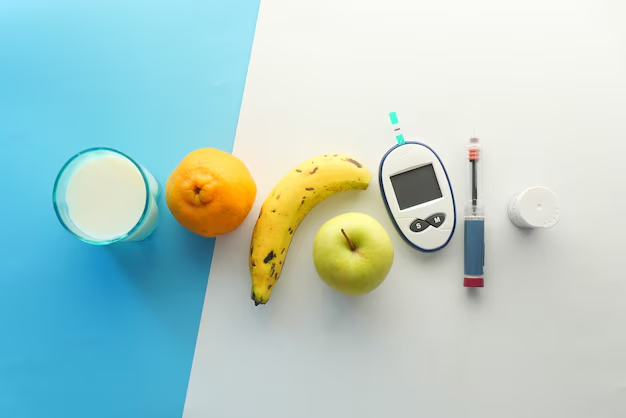
Discovering the Best Foods for a Healthy Diabetic Diet
Living with diabetes requires a thoughtful approach to meals. Choosing the right foods can help maintain healthy blood sugar levels, making meal planning both a priority and a challenge. In this holistic guide, we will explore a variety of healthy food options tailored to diabetics, providing insights into making informed dietary choices.
Understanding Diabetes and Dietary Needs
Diabetes is a condition where the body cannot properly process glucose, leading to elevated blood sugar levels. Effective diabetes management involves a combination of lifestyle changes, including a nutritious diet. It's crucial to focus on foods that have a low glycemic index, rich in nutrients, and are known for their health-promoting properties.
The Role of Glycemic Index
The glycemic index (GI) ranks foods based on how quickly they raise blood sugar levels. Low GI foods are better for diabetics since they cause a gradual increase in blood sugar levels. These foods are generally less processed and high in fiber. Some examples include whole grains, legumes, vegetables, and certain fruits like berries and apples.
Macronutrients and Diabetes
Balancing macronutrients—carbohydrates, proteins, and fats—is essential. Carbohydrates have the most significant impact on blood sugar levels, so choosing complex carbs over simple carbohydrates is crucial. Proteins can help stabilize blood sugar, while healthy fats support cardiovascular health.
Must-Have Foods for Diabetics
1. Whole Grains
Whole grains are rich in fiber, which slows digestion and helps maintain stable blood glucose levels. Some beneficial whole grains include:
- Quinoa: High in protein and fiber.
- Barley: Helps improve heart health and digestion.
- Oats: Known for their cholesterol-lowering benefits.
2. Non-Starchy Vegetables
These vegetables are low in calories and carbohydrates, making them ideal for diabetes management:
- Leafy Greens: Spinach, kale, and chard are nutrient-dense and low in carbs.
- Broccoli and Cauliflower: Packed with fiber and vitamins.
- Bell Peppers: Offer a healthy dose of vitamins A and C with minimal carbs.
3. Fruits
While fruits contain natural sugars, they can be part of a healthy diet when chosen wisely:
- Berries: Strawberries, blueberries, and raspberries are high in fiber and antioxidants.
- Citrus Fruits: Oranges and grapefruits provide vitamin C and fiber.
- Apples: A low-GI fruit that promotes satiety.
4. Lean Proteins
Protein sources that are low in saturated fat help maintain muscle mass and repair tissues:
- Chicken and Turkey: Opt for skinless pieces to reduce fat intake.
- Fish: Salmon, mackerel, and tuna are rich in omega-3 fatty acids.
- Legumes: Lentils and beans are excellent plant-based protein sources.
5. Healthy Fats
Incorporating healthy fats can support heart health and provide energy:
- Avocados: High in monounsaturated fats and fiber.
- Nuts and Seeds: Almonds, walnuts, and chia seeds offer healthy fats and protein.
- Olive Oil: Suitable for cooking and salad dressings.
Practical Tips for a Diabetic-Friendly Diet
Adopting a diabetes-friendly diet doesn't have to be restrictive or monotonous. Here are some practical tips to maintain variety and flavor in your meals:
Meal Planning
Plan Ahead: Preparing meals in advance helps control portion sizes and ensures balanced nutrient intake.
Portion Control
Mind the Portions: Use smaller plates to naturally limit quantity, and focus on the quality of the food.
Snacking Smart
Healthy Snacks: Choose snacks like nuts, yogurt, or vegetables with hummus rather than processed, high-sugar options.
Hydration
Stay Hydrated: Water is the best choice, but unsweetened tea and coffee are fine in moderation.
Navigating Social and Dining Situations
Dining out or attending social gatherings can present unique challenges for diabetics. Here are some strategies to navigate these situations with ease:
Making Smart Choices
- Scan the Menu: Look for grilled, baked, or steamed options. Avoid fried or breaded items.
- Customize Meals: Don't hesitate to ask for dressings or sauces on the side, and request whole-grain substitutes.
Staying Mindful
- Eat Slowly: This helps recognize fullness signals and prevent overeating.
- Balance Indulgences: If you decide to enjoy a dessert, offset it with a lighter meal.
Engaging Socially
- Focus on Conversations: Shift attention from food to engaging with friends and family.
Incorporating Healthy Foods into Daily Meals
Breakfast
Start your day with a satisfying and nutritious breakfast. Consider whole-grain oatmeal topped with berries and a sprinkle of nuts for texture. Alternatively, prepare an egg-white omelet with spinach and tomatoes for a protein-rich option.
Lunch
For lunch, salads are an excellent choice—add lean proteins like chicken or legumes for filling options. Whole-grain wraps or sandwiches with turkey, veggies, and avocado can also be nourishing.
Dinner
Evening meals can feature lean meats or fish combined with non-starchy vegetables and whole grains. Try grilled salmon with a side of quinoa and roasted asparagus for a balanced plate.
Snacks
Healthy snacks maintain energy levels and curb overeating at meals. Greek yogurt with a handful of walnuts or apple slices with almond butter can keep hunger at bay.
Summary: Key Takeaways for Diabetic-Friendly Eating
✨ Balance is Key: Combine proteins, carbs, and fats in every meal for steady energy.
🥦 Embrace Whole Foods: Opt for unprocessed items rich in nutrients and fiber.
📏 Portion Awareness: Pay attention to serving sizes to avoid blood sugar spikes.
🍽 Plan Your Plate: Fill half with veggies, a quarter with protein, and a quarter with whole grains.
🚰 Stay Hydrated: Keep water as your primary beverage choice.
🥗 Mindful Eating: Savor meals slowly to enhance satisfaction and digestion.
Incorporating these foods and strategies into daily routines can support more stable blood sugar levels and improve overall health for those managing diabetes. This journey may involve some trial and error, but with persistence, it is possible to enjoy delicious foods while keeping diabetes under control.
Remember, while diet plays a critical role, it's essential to pair meal planning with regular check-ups and physical activity for comprehensive diabetes management. By making informed choices, you can lead a fulfilling and health-conscious life.