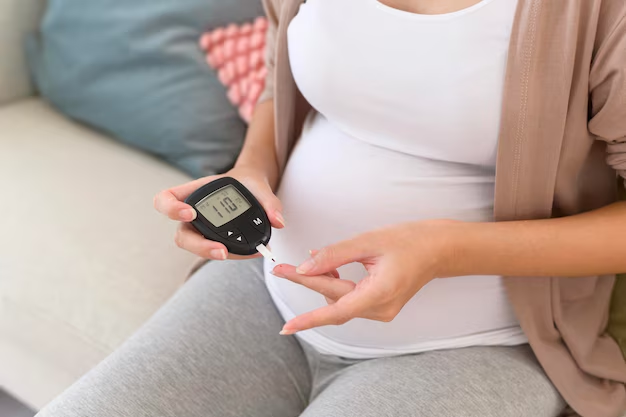
Understanding the Causes of Diabetes During Pregnancy
Pregnancy is a profound and life-altering event. While it brings joy and excitement, it can also introduce complexities, one of which is gestational diabetes. This form of diabetes manifests during pregnancy, presenting unique challenges. Understanding its causes, implications, and management is vital for expectant mothers and their caregivers.
🌟 What Is Gestational Diabetes?
Gestational diabetes, often abbreviated as GDM, is a condition where non-diabetic women experience high blood sugar levels during pregnancy. Unlike type 1 or type 2 diabetes, gestational diabetes is temporary and usually resolves after childbirth. However, it requires attention due to potential complications for both mother and baby.
The Physiology of Pregnancy and Blood Sugar
During pregnancy, the body undergoes numerous hormonal changes that support fetal development. These hormones can impair insulin function, leading to reduced efficiency in managing blood sugar levels. For some women, their bodies adapt, but for others, it can trigger gestational diabetes.
🔍 Key Risk Factors for Gestational Diabetes
Understanding the risk factors for gestational diabetes can help in early detection and management. Here are the most common ones:
- Age: Women over the age of 25 are at a higher risk.
- Family History: A family history of diabetes can be a precursor.
- Weight: Being overweight before pregnancy is a significant risk factor.
- Ethnic Background: Women of African-American, Hispanic, Native American, or Asian descent have higher incidences.
- Polycystic Ovary Syndrome (PCOS): This condition is associated with insulin resistance and can elevate risk.
📚 The Role of Insulin Resistance
Insulin resistance is a central factor in gestational diabetes. Normally, insulin facilitates the absorption of glucose into cells, providing energy. During pregnancy, placental hormones can interfere with insulin, leading to elevated blood sugar levels. Some factors intensifying insulin resistance include:
- Hormonal Fluctuations: As the placenta grows, it secretes increasing levels of hormones, which can influence insulin effectiveness.
- Diet and Lifestyle: Poor diet and sedentary behavior can contribute to insulin resistance. Prior lifestyle habits echo in the pregnancy phase, affecting insulin dynamics.
🧗♀️ Challenges and Complications
Gestational diabetes, if unchecked, can have repercussions:
For the Mother: There is an increased likelihood of developing type 2 diabetes post-pregnancy. Additionally, gestational diabetes can necessitate C-sections.
For the Baby: Babies born to mothers with gestational diabetes may have higher birth weights, leading to delivery complications. Post-delivery, these babies might experience low blood sugar and a higher risk of obesity and type 2 diabetes in later life.
🩺 Diagnosis and Monitoring
Routine screening for gestational diabetes is crucial. Typically, this occurs between the 24th and 28th weeks of pregnancy through a glucose tolerance test. This procedure involves:
- Consuming a glucose-rich beverage
- Monitoring subsequent blood sugar levels over time
Regular monitoring enables timely intervention, ensuring better health outcomes.
🥗 Managing Gestational Diabetes
Lifestyle changes are pivotal in managing gestational diabetes. Here are practical steps:
Diet Modification
- Balanced Meals: Combine lean proteins, whole grains, and healthy fats.
- Consistent Meals: Eating smaller, more frequent meals helps maintain stable blood sugar levels.
- Carb Counting: Staying mindful of carbohydrate intake is essential.
Physical Activity
Regular exercise can improve insulin sensitivity and control blood sugar levels. Activities like walking, swimming, or prenatal yoga are beneficial for both mother and baby.
Monitoring and Medication
- Blood Sugar Levels: Regular checks help in adjusting the diet or medication as needed.
- Medication: If lifestyle changes aren't sufficient, insulin therapy may be prescribed.
🤰 Life After Gestational Diabetes
The journey doesn't end after childbirth. Postpartum care is crucial to prevent the onset of type 2 diabetes. Steps include:
- Postnatal Screening: Engaging in glucose monitoring soon after childbirth.
- Continued Healthy Living: Maintaining a healthy lifestyle can mitigate future diabetic risks.
🔑 Key Takeaways
- Awareness: Recognizing risk factors allows for proactive management.
- Empowerment Through Education: Understanding gestational diabetes helps manage its implications effectively.
- Long-Term Health: Emphasizing ongoing wellness beyond pregnancy safeguards against future diabetes.
📝 Quick Summary: Managing Gestational Diabetes
- Identify Risk Factors: Recognize and mitigate risks early 🌟
- Routine Screening: Participate actively in prenatal screenings 🩺
- Adopt a Balanced Diet: Focus on nutrition and portion control 🍎
- Stay Active: Engage in safe physical activities 🏃♀️
- Monitor Blood Sugar: Keep a close watch on glucose levels 📈
- Postpartum Care: Prioritize health even after the baby arrives 👶
By understanding, acknowledging, and managing gestational diabetes, expectant mothers can ensure a smoother pregnancy journey and safeguard their health alongside their baby's.