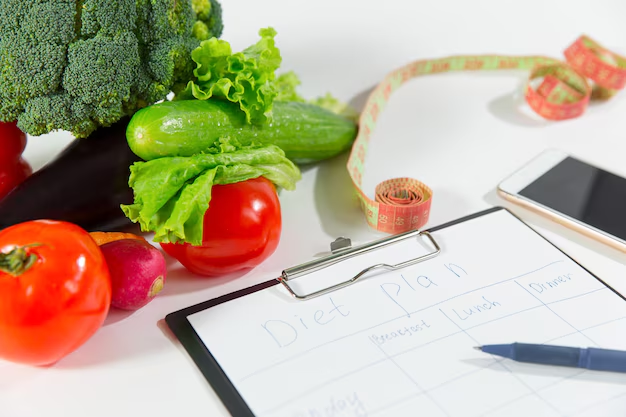
A Comprehensive Guide to Meal Planning for Diabetics: What Do Diabetics Eat?
Managing diabetes goes beyond medication and regular check-ups; it's a lifestyle that includes deliberate dietary choices. Navigating through this can seem overwhelming, especially with the vast array of foods and nutrition guidelines available. This guide aims to provide a clear, friendly, and comprehensive look into what diabetics can eat, offering insights into how to make informed food choices that support healthy living.
🍏 Understanding Diabetes and Diet: The Basics
For those managing diabetes, diet plays a crucial role in maintaining blood sugar levels. The primary goal is to consume meals that minimize blood glucose spikes while ensuring nutritional adequacy. By understanding the types of diabetes, you can focus on dietary practices that best suit your needs.
Types of Diabetes
Type 1 Diabetes: An autoimmune condition where the pancreas produces little or no insulin. Carbohydrate counting is typically crucial as insulin dosage needs to be matched with food intake.
Type 2 Diabetes: Often associated with insulin resistance, it requires attention to both the quality and quantity of the diet to maintain stable blood sugar.
Gestational Diabetes: Occurs during pregnancy, emphasizing the need for balanced nutrition to support both mother and baby.
🥗 The Core Principles of Eating With Diabetes
When planning meals, consider these guiding principles that help in managing blood sugar levels effectively:
Carbohydrate Management
Carbohydrates have the most significant impact on blood sugar. It's essential to focus on:
- Complex Carbohydrates: Whole grains, legumes, and vegetables digest more slowly, providing gradual energy release.
- Fiber-rich Foods: Beans, lentils, and vegetables help improve blood sugar control and enhance satiety.
Balanced Meals
Creating balanced meals is key. This often involves including:
- Protein: Meat, poultry, fish, dairy, and plant-based proteins like tofu or lentils, which have little effect on blood sugar rise.
- Healthy Fats: Avocados, nuts, seeds, and olive oil support heart health and keep you feeling full longer.
Glycemic Index Awareness
Foods with a low glycemic index (GI) are generally preferable as they cause slower rises in blood glucose levels. Examples include:
- Non-starchy vegetables
- Most fruits
- Whole grains
🍳 Meal Planning Strategies for Diabetics
Having a meal planning strategy can simplify your food choices and dietary routine. Here’s how to create a sustainable eating plan:
The Plate Method
A straightforward approach to meal planning involves visually dividing your plate:
- Half of the plate: Non-starchy vegetables (broccoli, spinach, carrots)
- A quarter of the plate: Lean protein (chicken, fish, tofu)
- A quarter of the plate: Whole grains or starchy vegetables (brown rice, quinoa, sweet potatoes)
Meal Prepping
Preparing meals in advance can save time and help resist the temptation of less healthy options. Tips include:
- Batch cooking grains and proteins
- Having pre-washed salad greens and sliced veggies ready to go
- Portioning snacks like nuts or fruit
Regular Eating Schedule
Consistent meal times help maintain stable blood sugar. Aim for:
- 3 balanced meals and 1-2 snacks per day if needed
- Avoiding long gaps between meals
🍽️ Sample Foods and Recipes
Knowing what's on the menu can alleviate the stress of meal prep. Here are some options:
Breakfast Ideas
- Oatmeal with Nuts and Berries: Use whole oats and top with almonds and fresh berries for a fiber-rich start.
- Eggs and Avocado Toast: Whole-grain bread with sliced avocado and poached eggs offers protein and healthy fats.
Lunch Options
- Quinoa Salad: Combine quinoa with chickpeas, mixed greens, cucumber, and a lemon-tahini dressing.
- Turkey and Veggie Wrap: Use a whole-grain wrap filled with turkey slices, spinach, hummus, and bell peppers.
Dinner Dishes
- Grilled Salmon with Asparagus: A simple dish rich in omega-3 fatty acids.
- Stir-Fried Tofu and Broccoli: High in plant-based protein and fiber.
Snack Selections
- Greek Yogurt with Berries: A great source of probiotics and antioxidants.
- Carrot Sticks and Hummus: Low-calorie and nutrient-dense.
🧾 Practical Tips for Dining Out
Eating out as a diabetic doesn't have to be daunting. Keep these tips in mind:
Make Informed Choices
- Opt for Grilled or Baked Over Fried: This reduces fat intake and calorie content.
- Request Substitute Options: Swap fries for a side salad or ask for dressings on the side.
- Control Portions: Consider sharing a dish or packing half for later.
Be Beverage Conscious
- Choose water, unsweetened iced tea, or coffee without added sugars.
- Limit alcohol, and avoid sugary cocktails or mixers.
🏃♀️ Lifestyle Tips for Enhanced Well-being
Diet is part of a holistic approach to managing diabetes. Consider incorporating these lifestyle practices:
Regular Exercise
Consistent physical activity helps increase insulin sensitivity. Aim for:
- At least 150 minutes of moderate exercise weekly, like walking or cycling.
- Incorporate strength training exercises at least twice a week.
Consistent Monitoring and Adjustment
Track blood glucose levels regularly and adjust your diet plan as needed to meet your health goals. Regularly consult with health professionals for personalized advice.
🌟 Summary of Key Takeaways
Here’s a quick overview to guide your dietary decisions:
- 🍏 Focus on whole, unprocessed foods: These control blood sugar and provide essential nutrients.
- 🥗 Balanced meals: Combine carbohydrates, proteins, and fats strategically.
- 📅 Plan ahead: Prepare meals and schedule consistent eating times.
- 🍽️ Mindful eating when dining out: Make healthier choices and control portion sizes.
- 🏃♀️ Stay active: Exercise regularly to support glucose maintenance.
By focusing on these key areas, navigating the journey with diabetes becomes more manageable and less daunting. With careful planning and a positive approach to food, you can create a diet that delights your taste buds while supporting your health goals.