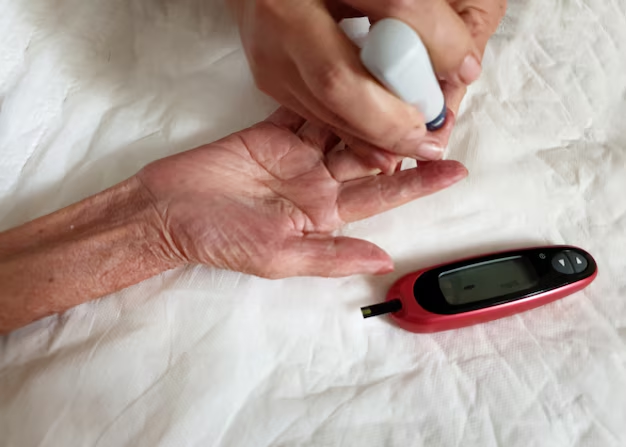
Understanding Diabetes Indicators in Blood Tests: A Comprehensive Guide
In today's health-conscious world, awareness about diabetes is more critical than ever. While many understand that diabetes is linked to blood sugar levels, fewer understand how this is identified through blood tests. This guide is designed to walk you through how diabetes is indicated on blood tests, making this complex subject accessible and understandable. Whether you’re concerned about your health, a caregiver, or just curious, this guide is your roadmap through the intricacies of diabetes indicators and what they mean for you.
What Is Diabetes?
Before diving into blood tests, it’s essential to grasp the basics of diabetes. Diabetes mellitus is a chronic condition characterized by high levels of sugar (glucose) in the blood. It occurs when your body either cannot produce enough insulin or cannot use insulin effectively. Insulin is a hormone that helps glucose enter cells to be used as energy.
Types of Diabetes:
- Type 1 diabetes is an autoimmune disease where the body attacks insulin-producing cells in the pancreas.
- Type 2 diabetes is more common and usually linked to lifestyle factors; it results from insulin resistance.
- Gestational diabetes occurs during pregnancy and usually resolves after childbirth.
As of now, managing blood sugar levels is fundamental to controlling diabetes, and understanding blood test results is a crucial part of this process.
Key Blood Tests for Diabetes Detection
Several blood tests can indicate diabetes, and understanding these can empower you to have more informed discussions with healthcare providers.
H2: The Hemoglobin A1c Test
The Hemoglobin A1c (HbA1c) test reflects your average blood glucose levels over the past two to three months. It measures what percentage of your hemoglobin—a protein in red blood cells—has glucose attached to it. This test is particularly useful for:
- Diagnosing diabetes and prediabetes
- Monitoring diabetes management over time
An HbA1c level of 6.5% or higher on two separate tests often indicates diabetes, while levels between 5.7% and 6.4% may suggest prediabetes.
H2: Fasting Blood Sugar Test
The Fasting Blood Sugar (FBS) test measures blood glucose after an overnight fast of at least eight hours. This test is:
- Simple and quick, often performed during routine health check-ups
- Diagnostic for diabetes when levels are consistently high
A fasting blood sugar level of 126 mg/dL or higher typically indicates diabetes, while levels between 100 and 125 mg/dL suggest prediabetes.
H2: Oral Glucose Tolerance Test
The Oral Glucose Tolerance Test (OGTT) is a more comprehensive test that measures your body’s ability to use glucose. It involves:
- Measuring fasting blood sugar initially.
- Consuming a sugary drink.
- Testing blood sugar at two-hour intervals.
A two-hour blood sugar level of 200 mg/dL or higher signals diabetes, while a level between 140 and 199 mg/dL indicates impaired glucose tolerance.
H2: Random Blood Sugar Test
The Random Blood Sugar test is less formal and measures blood glucose at any given time, regardless of when you last ate. While not typically used alone to diagnose diabetes, high values may prompt further testing.
H3: Additional Considerations
- C-peptide Test: Used to ascertain how much insulin your body produces.
- Autoantibody Tests: Sometimes employed to differentiate between Type 1 and Type 2 diabetes.
These tests help paint a complete picture of how your body manages glucose, identifying any irregularities in how sugar is processed.
Evaluating Test Results and What They Mean
Understanding your blood test results can be both an empowering and daunting task. Below are general insights into interpreting these tests:
H2: Understanding Blood Test Metrics
A1c Test:
- Below 5.7%: Normal
- 5.7% - 6.4%: Prediabetes
- 6.5% and above: Diabetes
Fasting Blood Sugar Test:
- Below 100 mg/dL: Normal
- 100 - 125 mg/dL: Prediabetes
- 126 mg/dL and above: Diabetes
OGTT:
- 140 mg/dL and below after 2 hours: Normal
- 140 - 199 mg/dL: Prediabetes
- 200 mg/dL and above: Diabetes
H2: What If Your Results Indicate Diabetes?
If your test results indicate diabetes, it’s crucial to consult with healthcare professionals for personalized advice. Here’s what to expect:
- Further Testing: Additional testing may be required to confirm diagnosis.
- Lifestyle Modifications: Diet, exercise, and medication consultations are often next steps.
- Education and Support: Diabetes management involves ongoing education and support from healthcare teams.
H3: Continuous Monitoring
Managing diabetes is an ongoing process. Regular monitoring and check-ups are essential to prevent complications. Utilizing glucose meters and maintaining regular appointments help keep diabetes under control.
Related Subtopics for Broader Understanding
While blood tests are significant for diagnosing diabetes, a holistic understanding of related topics aids in broader context and effective management.
H2: The Role of Diet and Exercise
A balanced diet and regular physical activity are pillars of effective diabetes management. They help:
- Improve blood sugar control
- Boost insulin sensitivity
- Maintain healthy weight levels
H2: Potential Symptoms and Early Warning Signs
Recognizing early symptoms can prompt timely testing and management:
- Increased thirst and urination
- Unexplained weight loss
- Fatigue
- Blurred vision
Early intervention is crucial for delaying or preventing complications.
H2: Long-term Risks and Complications
Understanding potential complications can underline the importance of diligent management. Common risks include:
- Cardiovascular disease
- Nerve damage
- Kidney damage
- Eye conditions
Managing blood sugar levels effectively reduces the likelihood of these complications.
Summary: Key Takeaways for Diabetes Detection
Understanding what indicates diabetes on a blood test is an integral part of managing this condition effectively. Below is a quick-reference guide to remember:
- 🩸 A1c Test: Best for long-term glucose monitoring.
- 🔬 Fasting Blood Sugar and OGTT: Key for diagnosing diabetes and prediabetes.
- 📋 Monitoring: Regular check-ups and glucose tests are vital.
- ⚖️ Lifestyle: Healthy diet and exercise form the backbone of management.
- 🔍 Awareness: Recognize symptoms and take proactive steps.
- 💪 Support: Engage with healthcare professionals for support and education.
By familiarizing yourself with these concepts, you empower yourself to better manage and understand diabetes, ensuring informed decisions and discussions with healthcare providers. Stay proactive, stay informed, and remember that understanding your blood test results is a crucial step toward controlling and balancing your health effectively.