Understanding Diabetic Foot: Causes, Symptoms, and Prevention
Living with diabetes involves careful management of health to prevent complications, one of which is diabetic foot. Though often under-discussed, understanding diabetic foot is crucial for those at risk. Let's unravel what it means, its symptoms, preventive measures, and how it fits into the broader spectrum of diabetes care.
🎯 What is Diabetic Foot?
Diabetic foot refers to a range of foot problems that people with diabetes may encounter. These problems arise due to prolonged periods of high blood sugar levels, which can lead to nerve damage (neuropathy) and poor blood circulation. Both conditions heighten the risk of developing ulcers and infections in the feet.
Why is Diabetic Foot a Concern?
When diabetes affects nerves, the ability to sense pain, heat, and cold diminishes—this is known as peripheral neuropathy. A person might not notice cuts or sores on their feet, allowing minor injuries to develop into serious infections.
Furthermore, diabetes can also compromise circulation, delaying healing and enabling infections to spread more easily. In severe cases, untreated infections might lead to ulcers, gangrene, and even amputation.
🔍 Recognizing the Symptoms of Diabetic Foot
Paying attention to your feet can signal early warnings and could prevent complications. Here are common signs and symptoms to be aware of:
- Loss of feeling or tingling sensation in the feet
- Swelling of the foot or ankle
- Changes in skin color and temperature
- Open sores that take time to heal
- Ingrown toenails or fungal infections
- Unusual foot odor lasting longer than usual
🛡️ Prevention Strategies and Daily Care Tips
Proactive care is your best defense against diabetic foot complications. Let's discuss some preventive strategies and daily care tips.
Daily Foot Care Routine
Inspect Your Feet Daily: Look for any cuts, blisters, redness, or swelling. Use a mirror if it’s hard to see the bottom of your feet.
Wash and Moisturize: Clean your feet with warm water daily, and ensure they are completely dry before putting on socks and shoes. Moisturize to prevent dry and cracked skin but avoid the areas between your toes to prevent fungal growth.
Choose the Right Footwear: Wear shoes that fit well and provide adequate support. Look for shoes with plenty of room, especially for the toes, and avoid high heels or narrow shoes that can cause pressure points.
Cut Nails Carefully: Trim toenails straight across and file the edges gently. Consider having a podiatrist handle your foot care if you find it difficult or if vision issues impair your safety.
Lifestyle and Health Measures
Regulate Blood Sugar Levels: Keeping blood sugar levels within the target range recommended by a healthcare professional minimizes the risk of nerve damage and circulatory issues.
Quit Smoking: Smoking narrows and hardens the blood vessels, reducing blood flow to the feet. Restraining from smoking improves circulation and lowers risk.
Exercise Regularly: Engage in activities that enhance circulation, such as walking, swimming, or cycling. Before starting any new exercise routine, consult with a healthcare provider for personalized advice.
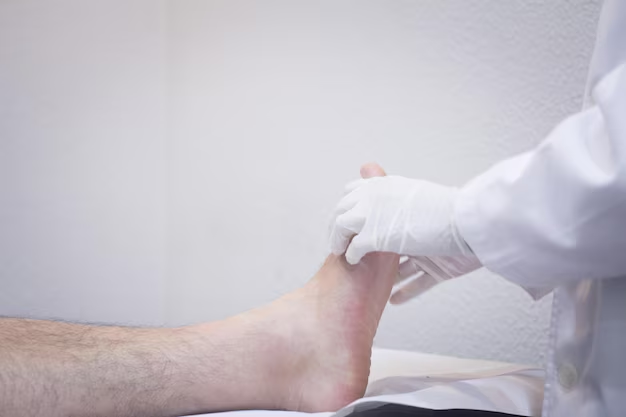
Routine Check-Ups: Regular foot exams by a healthcare professional should be a part of your diabetes management. They can spot problems early and suggest treatments if necessary.
Seeking Professional Help
Condition-specific management might be required for those already displaying symptoms of diabetic foot. Health professionals can propose advanced care options like custom orthotics or wound care interventions.
🌟 Vital Takeaways: Managing Diabetic Foot
Here's a visually appealing summary of key points for quick reference:
| Key Point | Action |
|---|---|
| Inspect feet daily | Check for cuts, swelling, or color changes ❗️ |
| Proper hygiene | Wash and moisturize feet daily 🚿 |
| Wear suitable footwear | Supportive, well-fitting shoes 👟 |
| Control blood sugar | Follow your diabetes care plan 💊 |
| Avoid smoking | Promote better circulation 🚭 |
| Exercise mindfully | Stay active with safe exercises 🏊♀️ |
| Regular check-ups | See a healthcare professional regularly 🩺 |
These steps can significantly decrease the risk of developing or exacerbating diabetic foot complications.
Understanding the Bigger Picture
Diabetic foot is a reminder of the intricacies associated with diabetes management. Yet, by acting proactively and making lifestyle adjustments, individuals can maintain a high quality of life. The ability to recognize symptoms early and take effective preventive measures is crucial.
Empowering oneself with knowledge fosters a sense of control over health outcomes. Remember, when in doubt or when a problem arises, seeking guidance from healthcare providers is always a worthy step. Your feet carry you through life; treating them with care and attention is essential.
While managing diabetes, knowing that diabetic foot is a potential complication can help you stay vigilant, but it doesn’t define your journey. Live informed, act responsibly, and move forward with confidence.